Reviewed · TICKETS
Eisenstadt: Esterhazy Palace Admission Ticket
Esterházy Palace in Eisenstadt is interesting because it mixes art, music, and wine in the same visit, and it does it in a way that feels personal to Burgenland. I especially like the Esterházy silver on the bel étage, and I also like how the palace explains Joseph Haydn’s role in the family’s music life.
The only real drawback is budgeting for optional extras. The audio guide is not included, so if you want it in English, German, or Hungarian, plan on paying an additional €2.
Key Highlights You Should Not Miss
- Neoclassical silver as a surviving set: The collection includes the world’s largest ensemble of Neoclassical silverware to survive as a set.
- Melinda Esterházy exhibit on the first floor: See her life as a ballerina and the highs and lows beyond the stage.
- Joseph Haydn under Esterházy patronage: Multimedia stations trace his work from Eisenstadt and Eszterház to his later music.
- Wine Museum in the old palace cellars: Go into over 300-year-old cellars tied to the family’s winemaking story.
- 700+ wine and viticulture objects: Look for historic barrels and Burgenland’s oldest Baumpresse basket press.
- Strong guide explanations, including Rebeca: Expect clear background and a real love for the palace when you get a guide like Rebeca.
Esterházy Palace in Eisenstadt: art, music, and wine in one ticket
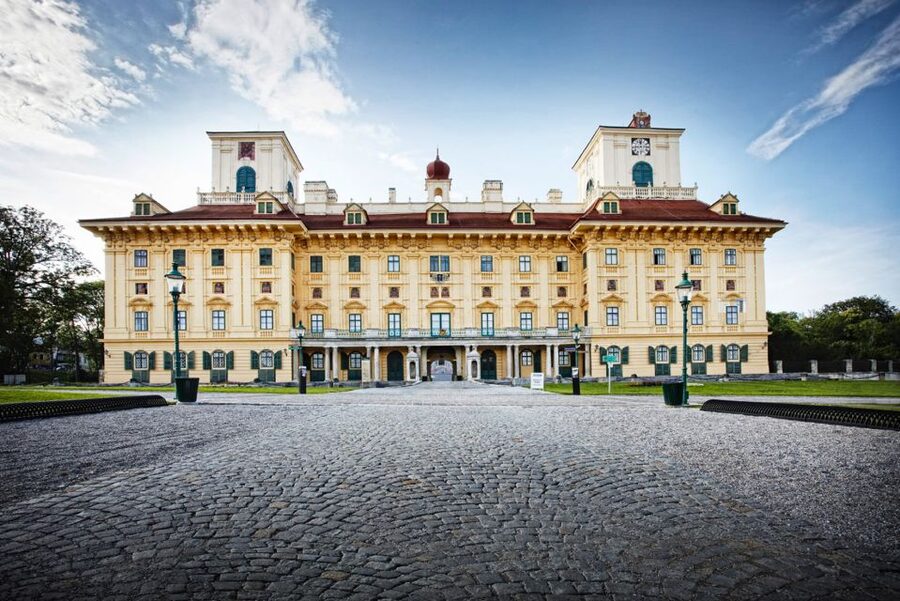
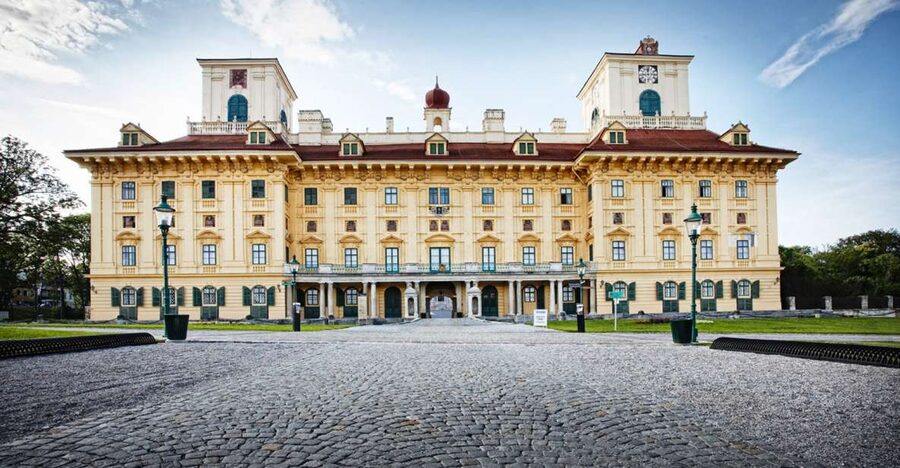
If you want a museum day that does not feel like a checklist, this is a good one. Eisenstadt may be Burgenland’s capital, but the palace gives you something bigger than a quick stop: Baroque rooms, family collections, a story of Melinda Esterházy, and the Joseph Haydn connection, all wrapped up in a visit that also includes a Wine Museum.
What makes it work is the flow. You move through different parts of the palace and each floor leans into a different theme, so you do not get stuck staring at one kind of exhibit for hours. You also get variety without feeling scattered. It is still one place, but it keeps changing its pace.
As for atmosphere, the palace cellars are the mood-shifter. One minute you are looking at silver, the next you are in the older stone spaces connected to winemaking. If you like experiences that mix beauty with hands-on history, you will feel it here. The ticket is priced at about $22 per person, which is a strong value for a visit that includes art rooms plus both the Haydn and wine sections.
What $22 Buys You at Esterházy Palace (and what it does not)
For about $22 per person, your admission ticket covers access to Esterházy Palace and the museum experiences inside it. In practical terms, you are paying for multiple themed stops in a single venue:
- Rooms on the bel étage with art-historical treasures
- A first-floor exhibit tracing Melinda Esterházy’s life and work
- Ground-floor material on Joseph Haydn and the Esterházy princes
- The Wine Museum in the old palace cellars
One thing to know up front: the audio guide is optional and costs an additional €2. If you are the type who reads every label, you might be fine without it. If you prefer a guided pace, the audio option can help, especially in languages like German, Hungarian, or English.
Duration is listed as 1 day, and the ticket is valid for that day. That matters because the palace covers a lot of ground conceptually, even if you keep walking at a steady pace. If you arrive ready to spend real time inside, you will get much more out of it than if you rush through.
Entering the bel étage: silverware, Baroque rooms, and the palace as a character
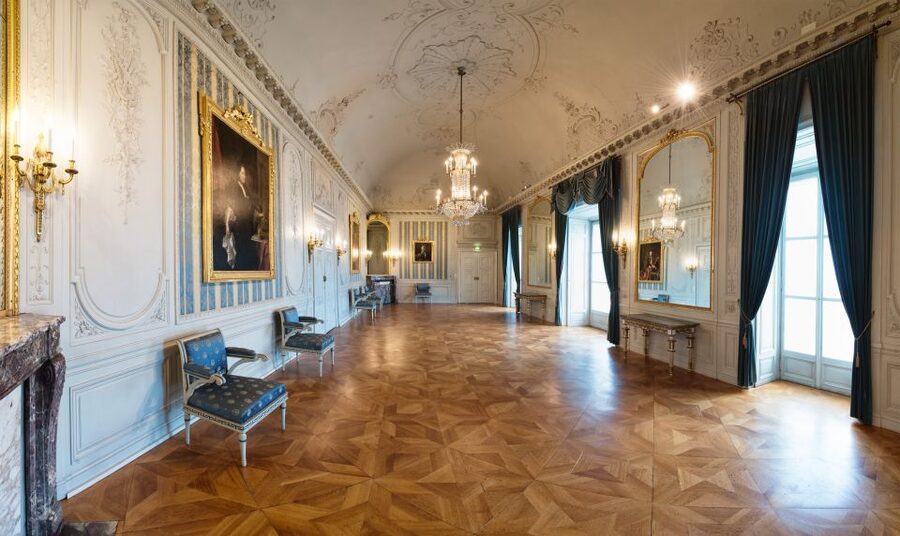
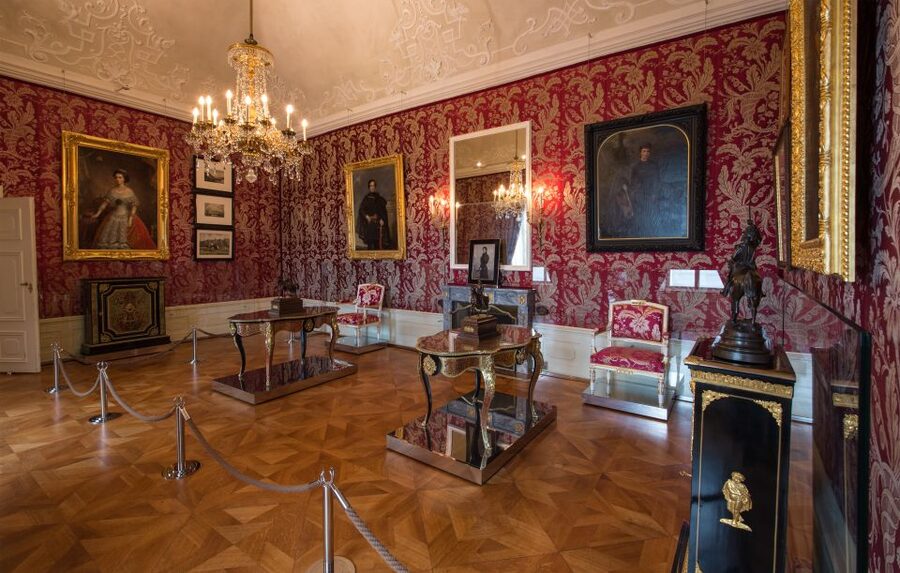
The bel étage is where the palace shows off in a classic way. This is the level with the grander rooms, and it sets expectations fast: fine interiors, a curated private collection, and a sense that this was built to impress.
I like starting here because it frames everything else. You are not yet thinking about Haydn or winemaking. Instead, you learn what the Esterházy princes valued enough to keep and collect. The art-historical treasures include the Esterházy family silver, and one standout is the world’s largest ensemble of Neoclassical silverware that survived as a set. That detail is not just a trivia point. It tells you the collection was handled as a coherent whole, not as random objects scattered over time.
As you look around the rooms, you also get a glimpse into the history of the palace itself as a building. That helps you understand why the visit feels structured by floor. The palace is not just housing exhibits. The layout is part of the storytelling.
If you only have a short time in this area, focus on the silver and the room context. The goal is to appreciate how a palace collection can communicate identity, power, and taste.
Melinda Esterházy on the first floor: more than a ballerina story
Moving to the first floor shifts the tone. Here, you trace the life and work of Melinda Esterházy. The exhibit is built around more than her public identity as a ballerina. You get a portrait of her life with highs and lows, including an ambitious career and a turbulent personal life.
I like this section because it makes the Esterházy story feel human. Families like this often get flattened in history into names, titles, and portraits. This exhibit brings you back to decisions, pressure, and personal cost. It also gives you a clear reason to care about someone who is not a composer, not a general, not a monarch. She is an artist inside a family world that shaped opportunity and risk.
If you care about performance culture, you will probably enjoy the way the exhibit connects her work to the larger Esterházy context. Even if ballet is not your main interest, the story has enough emotional weight to land.
One practical note. First-floor exhibits often require a bit more reading than the room-and-object style on the bel étage. If you want to keep the day comfortable, pace yourself. Give this section time, but do not try to read everything word for word. Skim first, then slow down where a topic grabs you.
Joseph Haydn on the ground floor: music director under Esterházy patronage
Then the palace turns musical. On the ground floor, you encounter the story of Joseph Haydn as director of music and composer in service of the Esterházy princes.
This is one of the most valuable parts of the visit if you like seeing how art is made through real institutions, not just genius myths. The exhibit uses multimedia stations and project installations to show Haydn’s work from early beginnings in Eisenstadt and Eszterház, all the way to his late music.
What I like about this structure is that it helps you track a composer’s arc in a place-based way. Instead of treating Haydn as an abstract famous name, you see him in motion across time. The Esterházy setting matters because it explains why a composer’s life is tied to commissions, performance, and patron expectations.
If you already know Haydn’s music, this section will give you context for how and why it developed. If you do not know his work well, do not worry. The exhibit approach gives you starting points you can follow even with limited background.
A small tip: when multimedia stations appear, people tend to rush. Take 3 to 5 minutes per station at a comfortable pace. You will remember more, and you will feel less like you are sprinting through a playlist.
The over-300-year-old cellars and the Wine Museum: 700 objects and a basket press
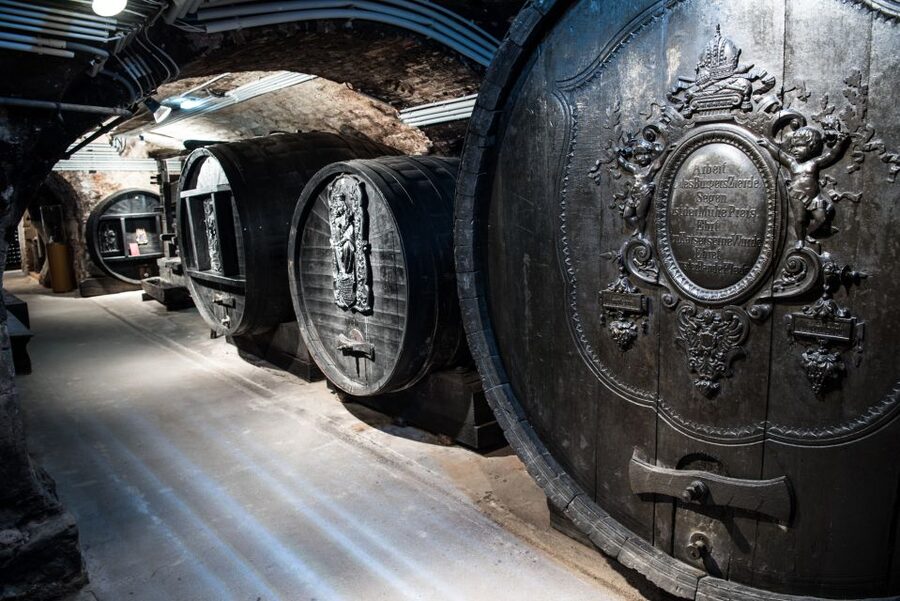
The palace cellars are where the experience gets hands-on. You explore the long history of the Esterházy side of life in spaces that are over 300 years old. The Wine Museum then takes you into winemaking under the Esterházy princes, with a focus on how production shaped everyday culture.
This is not just a modern tasting room story. You are walking through history through objects. The museum features over 700 rare objects related to wine and viticulture. That number matters because it signals depth. You are not seeing a small themed corner. You are seeing a lot of physical evidence.
Look for historic barrels. They help you picture how storage and aging worked before modern systems. Also, pay attention to the Burgenland’s oldest Baumpresse, a type of basket press. This is the kind of object that makes wine history feel concrete. Instead of reading about grape pressing in general terms, you see the actual tool connected to older methods.
If you like agricultural history, tool history, or simply enjoy learning how a region makes what it makes, this section is a strong reason to come even if you only planned a quick palace stop. It also breaks up the day nicely. After art and music, wine brings a different kind of curiosity.
Cellars can feel cooler and dimmer than upper floors. If you get cold easily or your phone camera struggles in low light, bring a light layer and accept that you will spend more time looking closely than taking photos.
How to pace a 1-day visit without rushing the best parts
A 1-day ticket can be either a calm museum day or a speed run, and you control which one it becomes.
I suggest a simple order based on how the palace is themed:
- Start with the bel étage rooms and silver. This sets the visual tone.
- Then do Melinda Esterházy on the first floor. It adds a human story.
- Follow with the Haydn ground-floor exhibits. Let the multimedia slow you down.
- Finish in the cellars with the Wine Museum. You get that satisfying change of mood.
If you feel tired, pause longer in the Haydn section or the wine museum, not the silver rooms. Silver is beautiful, but the object labels might tempt you to read everything. The wine and music parts are built to keep you engaged through different media and categories.
If you are with a group, make a quick agreement at the start about how long you will spend in each floor section. That prevents the classic problem where one person wants to read every label and the other wants to move on. With this palace, a little structure helps.
Also, audio guide planning can save time. If you know you want it, decide before you start so you are not juggling it mid-visit.
Finally, wear shoes you can stand in. Even with a comfortable pace, you will move between floors and into the older spaces of the cellars.
Where a guide like Rebeca makes the difference
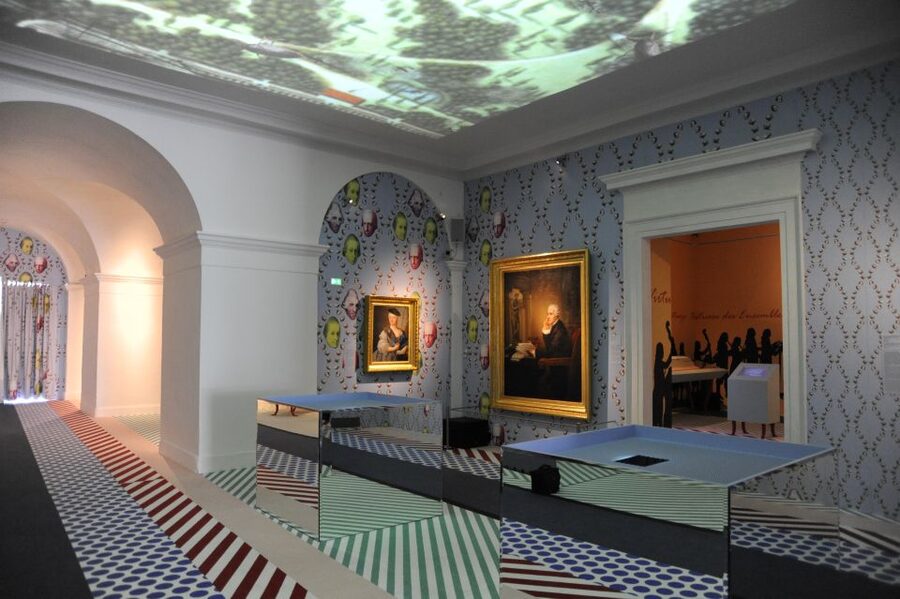
One of the most praised aspects from real visits is the quality of the explanations. In particular, the guide Rebeca stands out for clear background knowledge and obvious care for the palace.
That matters because Esterházy Palace is not just a set of rooms. It is a network of stories: silver collections, a dancer’s life, a composer under patronage, and winemaking in cellars. Labels help, but a guide helps you connect the threads.
If you prefer to understand what you are seeing as you go, look for the chance to follow a guided route through the floors. If you are the self-directed type, you can still enjoy the visit by reading key labels and spending time in the sections that genuinely grab you.
Either way, prioritize time for the first-floor and ground-floor sections. Those are the most story-driven spaces, and that is where good interpretation makes the experience feel sharper.
Who should book Esterházy Palace admission?
This experience fits best if you like at least two of these:
- Art collections and standout objects (especially the silver ensemble)
- Music history tied to a specific place and patron system
- A focused biography-style exhibit with emotional depth (Melinda Esterházy)
- Wine and viticulture history using real tools and production artifacts
It is also a good choice for people who want a “one ticket, many themes” day in Burgenland’s capital. You get a palace visit that does not stop at décor.
If you only want a quick palace exterior photo stop, this may feel too interior-focused. Most of what you do happens inside the palace and in the cellars. But if you come ready for rooms, exhibits, and object history, you will likely leave happy you did.
Should you book this Esterházy Palace admission ticket?
Book it if you want a strong value day that blends Esterházy silver, the Haydn connection, a first-floor Melinda Esterházy story, and a Wine Museum with 700+ objects in old cellars. The $22 price point feels fair for the mix of categories and the fact that you spend the day in one major site rather than hopping between stops.
Skip or reconsider if you dislike guided explanation and multimedia, or if you are only interested in one narrow topic like wine or only fine art. This ticket is designed to give you multiple lenses on the same family and place.
FAQ
How long is this visit?
The experience is listed as lasting 1 day, and the ticket is valid for 1 day. You can check availability for starting times.
What is included in the admission ticket?
The ticket includes admission to Esterházy Palace.
Is an audio guide included?
No. An audio guide is optional and costs an additional €2.
What languages are available for the audio guide?
The optional audio guide is available in German, Hungarian, and English.
What parts of the palace will I be able to see?
You will explore rooms on the bel étage, a first-floor exhibit tracing Melinda Esterházy, ground-floor displays about Joseph Haydn, and the Wine Museum in the palace cellars.
What can I expect at the Wine Museum?
The Wine Museum is in the old palace cellars and includes over 700 rare objects related to wine and viticulture, including historic barrels and Burgenland’s oldest Baumpresse basket press.
Where do I meet for this experience?
The meeting point may vary depending on the option booked.
Can I change my plans without losing my money?
Yes. Free cancellation is available up to 24 hours in advance for a full refund, and you can reserve now and pay later.
Tickets, compared.
Classic Ensemble Vienna in St. Peter’s Church Ticket
Read our review →
Vienna Kunsthistorisches Museum Day Admission Ticket
Read our review →
Tickets for Mozarthaus Vienna with Audio Guide
Read our review →
Skip-the-Line Entrance Ticket to the Danube Tower
Read our review →