This via ferrata basic course in the Bregenzerwald is interesting because it takes a fast-growing, thrill-seeking Alpine activity and turns it into something structured and learnable. You are not just “trying cables,” you are getting the nuts and bolts, with the full gear kit and instruction from a state-certified mountain and ski guide.
I especially like that the course targets true beginners, with a clear focus on equipment, belaying technique, and safe decision-making. I also like that you get a small group, limited to 8 people, so explanations do not get lost in the crowd. One consideration: the guide runs the program in all weathers only if safety can be guaranteed, so your exact timing can shift if conditions change.
Key things to know before you go
- Complete equipment included: helmet, harness, and via ferrata set are part of the experience
- Safety skills, not just climbing: belaying technique and accident behavior are taught early
- Beginner-focused curriculum: tour planning basics, topos, and recognizing danger zones
- Small group pacing: up to 8 participants for more hands-on attention
- Age-friendly entry point: suitable for children aged 10 and over
- Two languages: German and English instruction
Bregenzerwald Via Ferrata Basics: What This 3-Hour Course Really Builds
If you are new to via ferrata, the biggest problem is usually not courage. It is basics. Where do you clip, how do you move efficiently, and what do you do when things feel wrong? This 3-hour course is built to answer those questions in a practical way, starting from the gear and moving into technique and planning.
The setting helps too. You begin at the Partenen climbing garden, a place designed for learning. That matters because your first goal is to get comfortable with the system, not to “win” some big route.
By the end of the session, the course aims to get you to independent ascents of easy via ferrata routes up to difficulty B-CC, plus better route selection and awareness of danger zones. That is a real upgrade from just having a helmet and cables.
Price and Value: Equipment Included and a Certified Mountain Guide
At $104 per person for a 3-hour guided course, the value comes from two things you usually end up paying for separately on your own: professional supervision and the full kit.
Here, you get:
- Rental equipment (helmet, climbing harness, via ferrata set)
- A guided tour by a state-certified mountain and ski guide
- Personal advice in advance
For a beginner, this is not just convenience. It is risk control. Having the correct gear fit and correct technique matters, and you do not want to guess. In a beginner course, the “real cost” is time spent learning the right sequence and avoiding mistakes. This course bundles that into one session with a qualified guide.
Also, the small group size is part of the value. With up to 8 participants, you are more likely to get your personal questions answered, and you can correct technique before bad habits set in.
Partenen Meeting Point: Where the Session Starts and How You Spot the Guide
You meet at the Partenen climbing garden. The meeting point includes a small hut with a playground, so it has that “learning zone” feel. It is not a remote, confusing start, which reduces the stress at the beginning.
Your guide will be from Firmalpin, recognizable by the uniform: either an orange Primaloft jacket or a blue hard shell with the Firmalpin logo. That detail is surprisingly helpful. On day one of any outdoor course, half the mental load is simply figuring out who you are supposed to follow.
The course language can be German or English, so you can match your comfort level. If you are with a mixed group, the guide still keeps instruction clear enough for newcomers.
The First Lesson: Equipment Knowledge You Actually Use
Via ferrata equipment can look simple until you wear it. Then you realize there are multiple points that must be correct, every single time. This course starts with equipment knowledge, which is exactly what you want as a first step.
You will learn about:
- What each piece is for
- How it connects
- The basic way you manage yourself while moving
You also get the full rental setup, including:
- Helmet
- Climbing harness
- Via ferrata set
Because everything is included, you can focus on learning rather than sourcing gear or discovering that something does not fit right. And since this is an introductory course, the guide’s job is to make the gear feel predictable. That is what you are buying here: confidence with the system.
Belaying Technique and Efficient Movement: Where Beginners Benefit Most
The course centers heavily on belaying technique. That is not a fancy add-on, it is one of the main safety foundations in via ferrata travel.
In a basic course, you are typically not trying to be fast. You are trying to be smooth and consistent. The guide will show you the correct approach and will also share tips and tricks for efficient movement on the via ferrata.
This matters because efficient movement reduces:
- wasted energy
- awkward body positions
- panic decisions when you feel off-balance
If you want a mental model, think of it like this: you are practicing how to keep yourself stable and connected while you progress. The cables are there, but technique is what keeps you calm.
The instructors are also described as calm and clear. One participant highlighted that their trainer Alex explained everything in a quiet, understandable way and stayed helpful throughout. That kind of communication style is a big deal when you are learning something that feels exposed.
Tour Planning Basics, Working With Topos, and Choosing the Right Route
Lots of first-timers do not plan at all, they just react on-site. This course helps you shift from reaction mode into planning mode.
You cover tour planning basics, including how to work with topos. Topos are route guides, and learning to interpret them is part of becoming an independent via ferrata traveler. Even if you never become an expert, you want to understand enough to avoid the classic trap: picking a route that looks doable until it is time to commit.
The course also pushes you to recognize your own limits and to spot danger zones. That is a skill, not a personality trait. It is also the kind of knowledge that makes you safer on future days, not only during the 3-hour course.
The stated course objectives include:
- Independent ascent of easy routes up to B-CC
- Correct via ferrata selection during tour planning
- Recognizing your own limits and danger zones
That is a solid outcome for a first course. It is not just “you climbed.” It is “you can choose better next time.”
Meteorology and Alpine Dangers: The Safety Portion That Actually Matters
The course includes basics of meteorology and alpine dangers. That may sound like classroom stuff, but for via ferrata it is practical. Conditions can change quickly, and the consequence is not just discomfort. It can affect safety.
You also learn:
- principles and problems on via ferrata
- behavior in case of accidents
That last part is crucial, even if you hope you never use it. Beginners often think the hardest moment will be physical. Sometimes it is informational: what do you do first, and how do you behave when something goes wrong?
Having that explained by a qualified guide gives you a plan. It also helps you understand why certain behaviors are recommended, rather than memorizing steps without context.
One more smart element is that the guide decides whether the program goes ahead, gets postponed, or gets canceled based on safety. In other words, weather is not ignored. You learn the relevant thinking, and the provider applies it in the real moment.
Difficulty B-CC: What “Easy” Means for Your First Independent Attempts
The course aims for easy routes up to difficulty B-CC. That is not a promise that you will feel effortless. It is a promise that the training is aligned with entry-level via ferrata.
You are building independence in two ways:
- You learn how to manage the system so you can ascend easy routes by yourself within the beginner range
- You learn how to choose routes that match your ability
That second part is often overlooked, and it is where beginner courses can fall short. Here, tour planning basics and danger awareness are part of the program, so the independence you gain is not accidental. It is guided.
In plain terms: you should leave with a better sense of what “I can handle this” feels like and what “this is outside my limits” looks like.
Who This Course Fits Best in Vorarlberg
This program is aimed at newcomers with little mountain experience, plus families. That is a good match if you are trying to start responsibly.
It is suitable for children aged 10 and over, which tells you the course pacing and teaching style are designed for learning, not just athletic performance. If you are traveling with family and want an activity that feels like more than a sightseeing stop, this hits the mark.
You will also like this if you:
- want all equipment handled
- prefer learning from a certified mountain professional
- value small-group attention
- want skills you can carry into future via ferrata days
If you already do via ferrata regularly, this might feel basic. But for first-timers, it is exactly the right level.
What Could Be a Drawback for You
The main consideration is that your day depends on safety conditions. The guide can carry out, postpone, or cancel the tour based on the weather. That is not a problem if you have flexibility, but it can be annoying if you are on a tight schedule.
Another consideration: this is a basic course, so you should not expect advanced skills like training for harder routes. The focus is on foundations, route selection basics, and safe behavior, not high-level technical progression.
Finally, with only 3 hours, you will learn a lot, but you will still be at the “first steps” stage at the end. Plan to practice and build comfort after the course, not just rely on one session.
Should You Book This Via Ferrata Basic Course?
I think you should book this if you want a structured, safety-first introduction to via ferrata in the Alps and you want someone certified guiding the process from equipment to decision-making. The combination of included gear, a state-certified mountain and ski guide, and a small group capped at 8 is the real reason the value holds up.
You might skip it if you are looking for a long, route-heavy climbing day or if you already have strong via ferrata fundamentals and just need advanced technique training.
If you are a beginner, especially with kids age 10+, this is the kind of course that turns nerves into skills. You leave with a better way to plan, a better way to move, and a clearer sense of what safety looks like.
FAQ
How long is the via ferrata basic course?
The course duration is 3 hours.
Where do we meet?
The meeting point is at the Partenen climbing garden, a small hut with a playground.
What equipment is included?
Rental equipment is included, including a helmet, climbing harness, and via ferrata set.
Who leads the course?
The guided tour is led by a state-certified mountain and ski guide.
Is this course suitable for beginners and families?
Yes. The program is aimed at newcomers and families, and it is suitable for children aged 10 and over.
What languages are used during the course?
Instruction is available in German and English.
How big is the group?
The group is small, limited to 8 participants.
What if the weather is bad?
The program is carried out in all weathers only if safety of guests can be guaranteed. The assigned mountain guide decides whether to carry out, postpone, or cancel the tour.
Austria, compared.
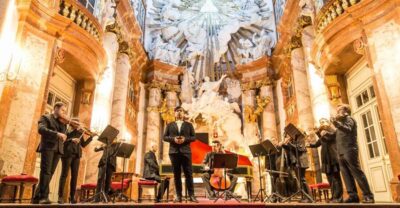
Vivaldi’s Four Seasons Concert in Karlskirche
Read our review →

Skip-the-cashier-desk-line Giant Ferris Wheel Ride
Read our review →
Schönbrunn Palace & Gardens Skip-the-Line Tour
Read our review →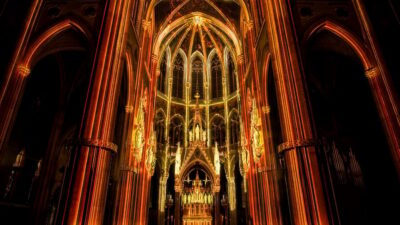
Light of Creation Votive Church Immersive Light Show
Read our review →
Classical Concert in the World-Famous Musikverein
Read our review →