
Reviewed · SIGMUND FREUD MUSEUM
Admission to the Sigmund Freud Museum
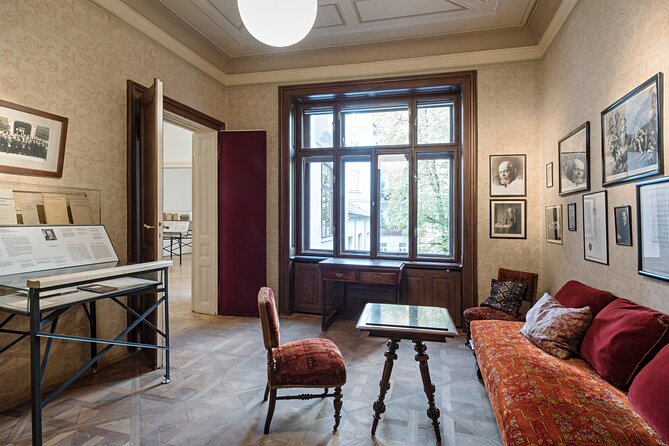
Vienna has plenty of grand palaces, but the Freud Museum is different. You’re walking into Sigmund Freud’s actual address, Berggasse 19, where he lived with his family and carried on his work for decades. I like that it feels personal, not just academic.
What I really love is the original setting. The museum uses real objects and furniture to recreate the atmosphere of Freud’s apartment, and it helps you understand his daily routine without turning the visit into a textbook. Second, the exhibition mixes perspectives, including films from the 1930s that show the Freuds as real people, not just a name in psychology.
One thing to consider before you go: this is a small museum, so it can get crowded, and the apartment presentation may look different than you expect depending on what is currently on display. If you’re hoping for a perfectly period, fully staged apartment scene at every turn, plan your expectations a bit.
Key highlights at a glance
- Berggasse 19 address: Freud lived and worked here for nearly 50 years.
- Admission included: your ticket covers entry to the museum experience.
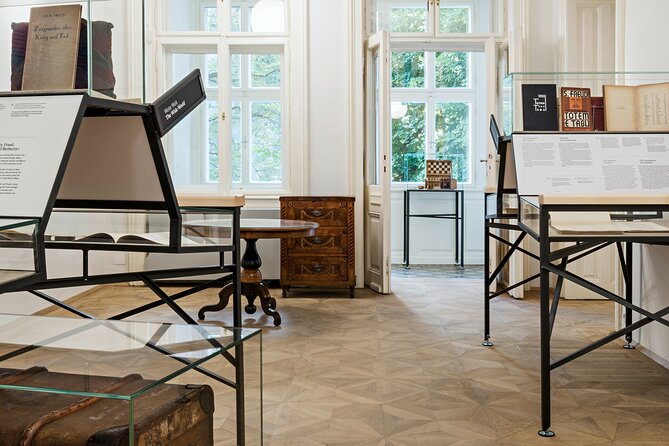
- Apartment atmosphere: you’ll see original objects and furniture in the rooms.
- 1930s film footage: the exhibition brings family life into focus.
- Changing displays: special exhibitions and a conceptual art collection connect Freud to the present.
- Finish with a café and shop: easy to round out your visit on site.
Walking Into Freud’s Vienna Address on Berggasse 19
The Freud Museum is in a calm residential corner of Vienna, and that matters. You are not viewing Freud from behind glass in some large, formal building. You’re visiting a home that functioned as both residence and workspace.
Freud’s family life and professional work overlap here in a way that feels obvious once you’re inside. That’s part of the value. You start to see why psychoanalysis grew in a real apartment with daily interruptions, visitors, and private thoughts.
When you arrive, give yourself a few minutes to get oriented. The museum is compact, so if you jump straight into reading everything on the first wall, you can miss how the rooms connect. I like to let the layout guide me first, then go back for details.
More Freud's Vienna:
- Sigmund Freud Museum Ticket
★ 4.6 · 1,668 reviews - Vienna: Freud, Mozart & Beethoven Exploration Game
★ 4.0 · 14 reviews - Freud – Inside the mind of a Genius
★ 4.0 · 7 reviews
Your About-2-Hours Flow Through the Museum
Plan on around two hours for a satisfying visit. That’s long enough to see the key rooms and exhibitions, but short enough that you won’t feel stuck forever when the museum gets busy.
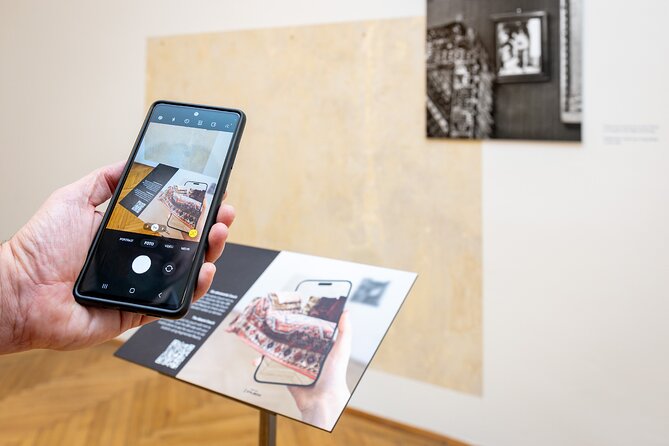
Most of the experience is self-paced with the admission ticket included, and the museum supports a mobile ticket. That’s practical in a city where paper tickets can get lost in pockets with tram receipts. When you have your phone ready, you can move through faster and keep your head in the right place.
A smart way to pace it is to start with the apartment rooms first, then shift to the exhibition content. That order helps the theory stick. Otherwise, you might read about psychoanalysis and still feel like the person behind it is missing.
The Apartment Rooms: Original Objects and the Working Mind
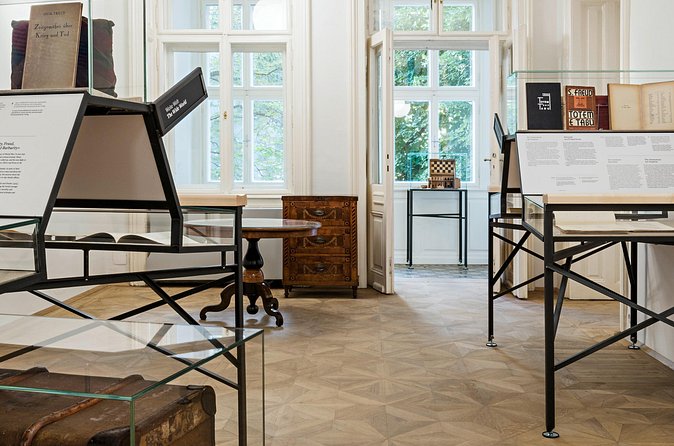
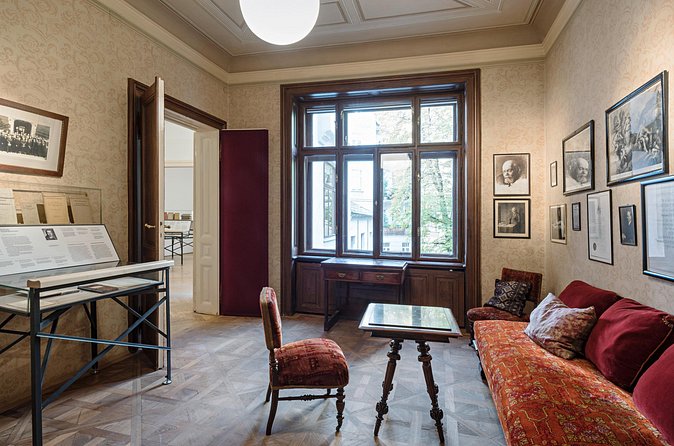
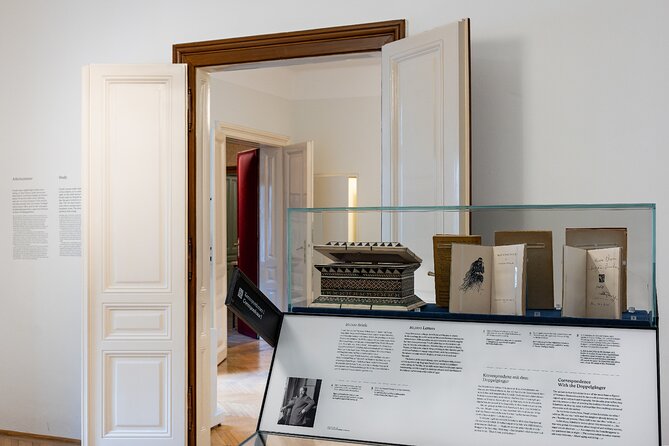
The heart of the museum is Freud’s preserved home and consulting spaces. You’ll encounter rooms that show how he lived, hosted, and thought. What I like most is how the museum uses original objects and furniture to create atmosphere, not just decoration.
Some displays are specific and memorable, including the presence of his famous couch and Persian carpets. You don’t have to be a psychoanalysis expert to notice how these elements shape the mood. They communicate that this was a working place, not a staged set built for tourists.
One detail I found especially useful is how the museum handles Freud’s study. The arrangement can feel like an accumulation of ideas and influences, with many objects placed in a way that suggests curiosity and obsession rather than neat, museum-perfect order. If you’ve ever known someone who collects books or artifacts, you’ll recognize that feeling instantly.
A heads-up on what might look different
A couple of visitors have pointed out that parts of the home can look less like a fully furnished period display than some people expect. The main takeaway for you is simple: focus on what is on view right now, and treat it as an interpretation of the space rather than a guaranteed replica of a perfectly preserved moment from 1900.
More Museums in Vienna:
- Vienna: Skip-the-Line Sisi Museum, Hofburg and Gardens Tour
★ 4.8 · 5,918 reviews - Vienna Kunsthistorisches Museum Day Admission Ticket
★ 4.6 · 3,690 reviews - Tickets for the Albertina Exhibitions
★ 4.7 · 2,126 reviews - Vienna: Chocolate Workshop in Chocolate Museum w/ Tasting
★ 4.5 · 1,802 reviews
Family Life and Psychoanalysis: Films, Letters, and Context
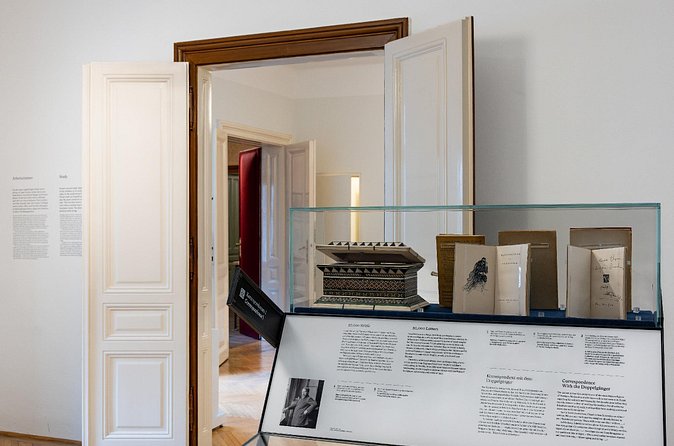
After you’ve taken in the rooms, the permanent exhibition connects the dots between personal life and professional work. The museum explains Freud’s thinking and the development of psychoanalysis, and it does it in a way that stays grounded in the person.
A major highlight here is the use of unique films from the 1930s. They add texture. Instead of only seeing documents and photos, you also get a sense of movement and presence. It’s a good reminder that Freud’s ideas were shaped while he was living through the social and historical pressures of his time.
The exhibition also points you toward the Freud family story. That matters because psychoanalysis doesn’t exist in a vacuum. It’s tied to relationships, health, loss, curiosity, and the pressure of public attention.
If you like history that has a human pulse, this section tends to land well. You’ll often come away thinking less about famous concepts and more about the real person behind them.
Special Exhibitions and Contemporary Links to Today
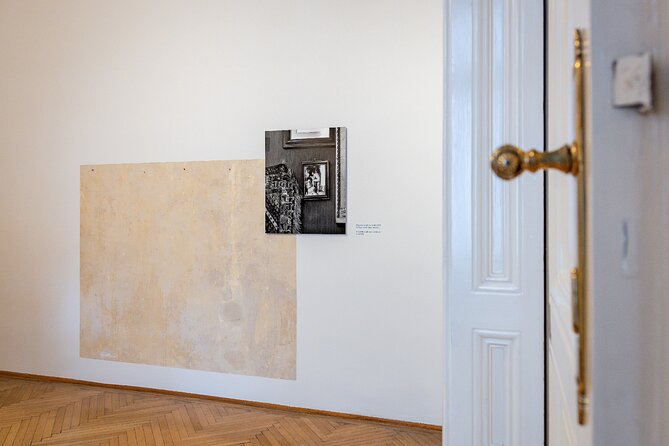
Freud wrote and worked in the early 20th century, but the museum doesn’t treat him like a closed chapter. Alongside the permanent exhibition, you may see changing special exhibitions and a conceptual art collection.
This is where the museum can feel a little more modern than you expect. The conceptual art element aims to reference the present, which can be helpful if you’ve heard about Freud your whole life but never connected his influence to today.
I suggest you treat these rooms as optional mood settings rather than required homework. If you read every panel in one go, you might miss the intended connection. Instead, skim first. If something grabs you, slow down and read more carefully.
The Café and Shop: Turn Your Visit Into a Useful Souvenir
By the time you reach the end, you’ll probably feel you’ve spent time somewhere private. That’s when the on-site café and shop help a lot.
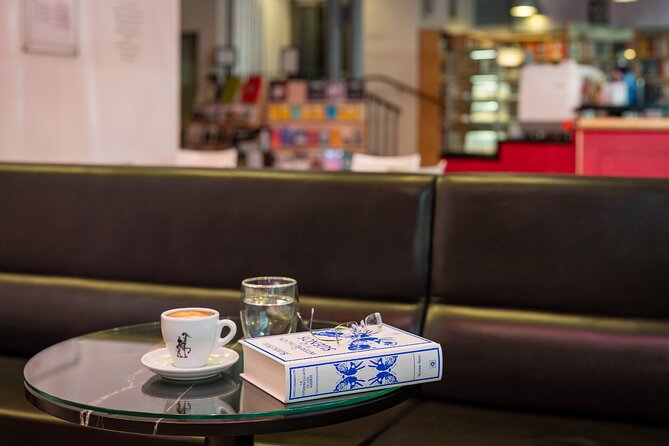
The café is described as cosy, and it’s a practical way to reset before you head back out into the Vienna street scene. Even if you don’t sit for long, it gives you an easy buffer to digest what you just saw.
Then there’s the shop. It’s well-stocked, and you’ll find books and other items you can take home. I like using a bookshop after a museum visit because it lets you reinforce what you cared about most, instead of buying something random that becomes clutter.
Price and Ticket Value: What $18.02 Buys You
At $18.02 per person, this experience is basically paying for access to a focused museum that is tied directly to Freud’s home. You’re not paying for transport, a long group route, or a long day of moving through multiple sites.
That’s why it works well if you want something that fits into your Vienna plan without swallowing your entire afternoon. With around two hours, you can combine it with nearby activities. And because admission is included, you’re not stuck doing guesswork about what the ticket covers.
Also, the museum is a practical choice for travelers who like structure. You’ll see the key themes, experience the apartment setting, and then leave with context. For a relatively low time cost, that’s strong value.
One more note: this experience is commonly booked about 25 days in advance on average. That’s a hint that it’s popular and slots can fill. If you’re traveling in a busy season, don’t wait until the last minute.
Getting There and Making It Fit Your Day
The museum is near public transportation, which is exactly what you want in Vienna. This area is easy to reach without making your day hinge on a single timing risk.
You’ll also be glad it’s not a full-day, multi-stop affair. You can pair it with a morning of classic sights or with an afternoon museum block, then still have energy for dinner.
If you’re building your day around this stop, I’d suggest going when you can handle a bit of crowding. The museum is small, so busy times can feel louder than you’d expect for something so personal.
If that matters to you, give yourself the option to take breaks. Step into a quieter room for a minute. Keep your pace. Don’t try to force a calm, thoughtful visit through peak busier hours.
Who Should Book This Freud Museum Visit
This is a great fit if you fall into any of these categories:
- You’re curious about the roots of psychoanalysis and how it was shaped by real life.
- You like museums that use real spaces rather than just objects behind cases.
- You want a focused, two-hour activity that doesn’t require a big timetable.
It can also work well for history-minded travelers who enjoy personality-driven stories. The family-life angle and the films help the visit feel human.
If you’re already extremely specialized in Freud and psychoanalysis, you might still appreciate the home setting, but the exhibition may feel more like a curated walkthrough than a deep research experience. The upside is atmosphere and context. The downside can be the sense that some information overlaps what you already know.
Should You Book This Freud Museum Admission?
I’d book it if you want a Vienna experience that is personal, compact, and tied to a real address. It’s a solid value for $18.02 because you’re getting both the apartment atmosphere and the permanent exhibition content in about two hours.
Skip it only if you want a huge museum with lots of space and quiet. This place is small, and that can change the feel of the visit when it’s busy. Also, go in with flexible expectations about furniture and room presentation, since the home setup can differ from what people imagine.
If you’re open to a more intimate, grounded visit, this museum is one of the most direct ways to connect Freud’s ideas to where he actually lived.
FAQ
How long does the Sigmund Freud Museum visit take?
The experience is listed at about 2 hours.
Is admission included in the price?
Yes. Admission to the Sigmund Freud Museum is included.
Where is the museum located?
The museum is located at Berggasse 19, 1090 Vienna.
Do I need a paper ticket?
No. The ticket is provided as a mobile ticket.
Is public transportation nearby?
Yes, the museum is near public transportation.
What is the cancellation window?
You can cancel up to 24 hours in advance for a full refund. If you cancel less than 24 hours before the start time, there is no refund.
Latest Vienna reviews
- Vienna Food Tour: Dishes, Wine, Street Food & Culture★ 4.7 · 12 reviews
- A box for a romantic walk in the city center of Vienna★ 5.0 · 13 reviews
- Vienna: mumok Museum of Modern Art Entry Ticket★ 3.8 · 13 reviews
- eBike Vienna 90min guided tour – use ebike for the whole day★ 4.0 · 13 reviews
- Bratislava Private Tour from Vienna★ 4.5 · 13 reviews
- Vienna: Austrian Wine Tasting★ 4.8 · 13 reviews
- Private One Day Trip to Bratislava from Vienna★ 4.5 · 13 reviews
- Best of Vienna Tour in TUK TUK!★ 5.0 · 14 reviews
Sigmund Freud Museum, compared.
Browse the lists this tour appears in