
Austria
Vienna: Vienna under the Nazis, Private Walking Tour
2h 30m
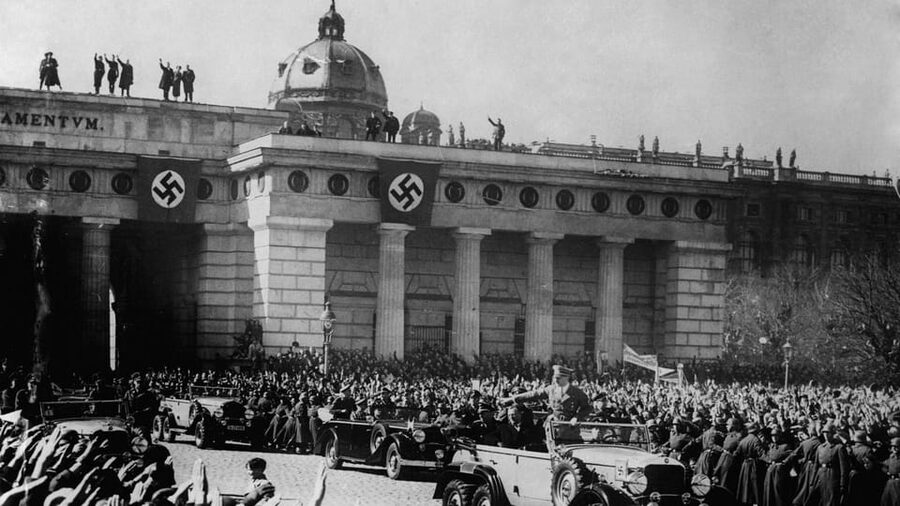
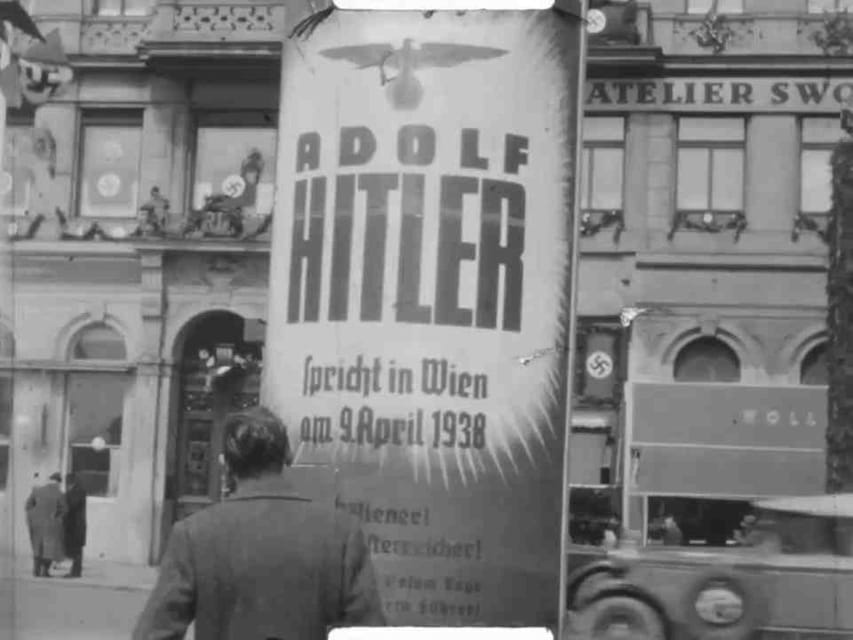
This is an interesting Vienna tour because it trades imperial picture-perfect sights for the places where Nazi power was announced, enforced, and memorialized after the war. You get to walk the streets that still carry that history, and you’ll understand why Vienna was called the Pearl of the Reich, plus what happened when the regime collapsed. I especially like starting at Heldenplatz, where the announcement of Austria’s annexation was made in a way that still shapes the square’s meaning today.
I also like that the experience is customizable, not a scripted lecture. The guide (David Sterrer) can steer the focus toward what you care about, and the tone is framed as insight into the era rather than a moral sermon. One consideration: this is heavy material. Expect Holocaust-related memorials and themes of persecution and terror.
Key highlights worth knowing before you go
- Heldenplatz framing: begin where Nazi power was publicly announced for Austria
- Hofburg to Kohlmarkt street history: see how “aryanization” impacted real addresses and property
- Am Hof and executed firemen: a memorial to those who resisted Nazi terror
- Judenplatz memorials: Holocaust remembrance right in the city fabric, not off to the side
- Gestapo ties near the Danube Canal: a monument area connected to the Hotel Metropole site
- End at an anti-war, anti-fascism monument near Albertina: the walk closes with the postwar message
Vienna under the Nazis, and why this walk hits differently than the usual tour
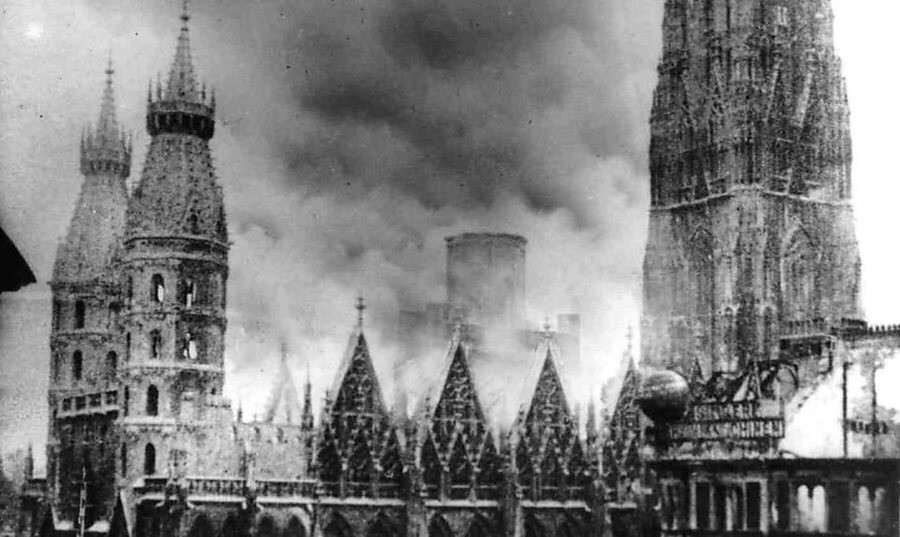
Most Vienna tours feel like a guided reel of palaces, grand staircases, and the sort of glamour postcards are built from. This one is different. It’s aimed at the years when Vienna was pulled into Hitler’s German Empire, from March 1938 until April 1945, and it asks a blunt set of questions as you walk: How did life change? What was left behind in the built environment? Who supported the Nazis, and who did not?
You’ll also get the big picture numbers, because they matter. By the end, around a third of the city was destroyed and many thousand people were dead. Among Vienna’s Jewish population, about 70,000 were murdered. That’s the scale you’re walking through, sentence by sentence, street by street.
The value here is that you’re not just hearing dates. You’re learning to read the city. You’ll see memorials, building traces, and places tied to organization and enforcement, and you’ll connect them to what those streets meant to people living there at the time.
And yes, it can be tailored. If you’re more interested in resistance, persecution, propaganda, or how Nazi policy shows up in everyday places, you can steer the conversation.
More Walking Tours in Vienna
- Vienna: Guided Walking Tour of City Center Highlights
★ 4.7 · 4,989 reviews - Vienna: Vienna Central Cemetery Guided Walking Tour
★ 4.8 · 3,307 reviews - Vienna: Guided Walking Tour of City Highlights & Hidden Gems
★ 4.9 · 2,180 reviews
Heldenplatz to the Hofburg: starting where power was announced, not hidden
The walk begins at the Archduke Charles monument, the rider holding a flag. It’s a smart meeting point because it gets you into the central drama of the city right away, before you start drifting into quieter streets.
From there, you head to Heldenplatz. This is where Hitler delivered his famous speech announcing the annexation of Austria to Nazi-Germany. That matters because it shows how propaganda used public space. This wasn’t just private ideology. It was presented as a new reality, performed in front of crowds, and anchored to a place people would keep associating with authority.
Then you move through the old imperial Palace area, the Hofburg, toward the Kohlmarkt. This is where the tour’s approach pays off. By walking from imperial scale to Nazi-era power, you can feel the shift in symbolism. The same stone world, different regime story.
What to watch for: keep your eyes on how the route moves from open public squares into more institutional street edges. Even if you don’t memorize every facade, the guide helps you build a mental map of what the Nazis needed Vienna to become, politically and socially.
Kohlmarkt to Am Hof: aryanization, stolen businesses, and the fear you can read in buildings
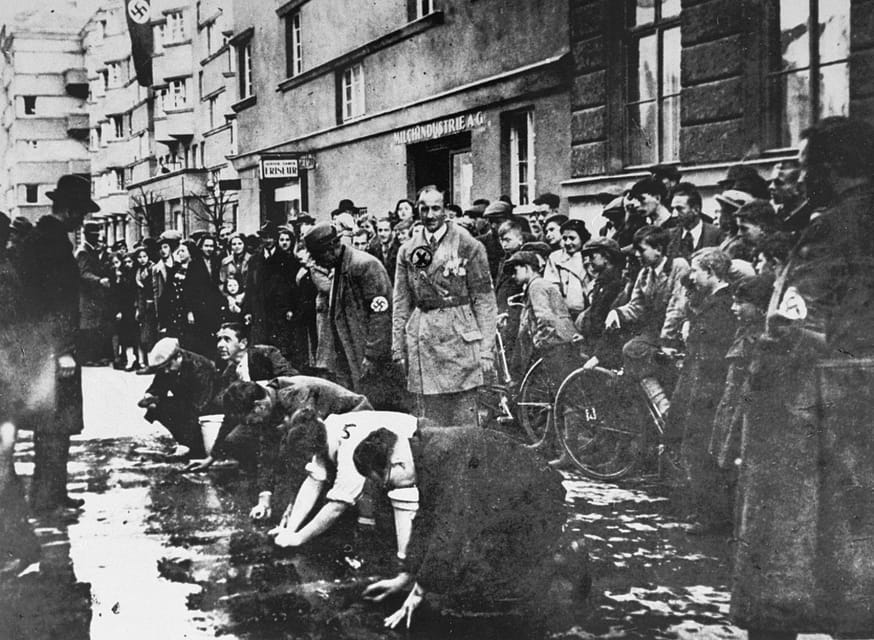
At Kohlmarkt, you’ll stop to look at street-level history tied to “aryanization.” The guide explains the system used to take over Jewish businesses and property, a process that enabled theft under legal and bureaucratic cover. This is one of the most practical parts of the tour, because it explains how persecution could be carried out without always needing immediate violence in the first step.
You’ll see how some houses in the area carry history connected to victims of aryanization. Even if you can’t verify every address on your own, you’ll come away with the concept: propaganda and policy were paired with opportunism, and the physical city became part of that machinery.
From there, you head to Am Hof. Here you visit a memorial to the firemen who were executed for resisting Nazi terror. That turn in the story is important. It prevents the walk from becoming only about victims. It also shows risk and defiance, and it raises a tougher question: what does resistance look like when the state punishes dissent with death?
If you’re curious about who didn’t go along, these memorial stops do a better job than a textbook paragraph. You get grounded names and anchored meaning, and you start thinking about courage as an action, not a slogan.
Judenplatz: memorials that turn the sidewalk into a history lesson
Next up is Judenplatz, where you’ll see a memorial monument to the Holocaust in Vienna. This is not the kind of memorial that feels like an add-on. It sits in the city’s everyday flow. That’s the point. The memory is meant to stay where life continues.
You’ll also learn about treatment of the Jewish population in the early days of the Nazi reign. The tour’s phrasing is framed to give you insight without sensationalizing. You’ll connect the early steps to what later became mass murder, which helps your brain track the progression instead of treating it as one sudden event.
A practical tip here: slow down. If you rush, it becomes background noise. If you let yourself absorb the memorial space, it becomes clearer why remembering in public matters. You’re not just visiting history. You’re learning how Vienna chose to acknowledge it after the war.
A different sort of Vienna day:
- Vienna: Vivaldi’s Four Seasons Concert in Karlskirche
★ 4.7 · 14,951 reviews - Vienna: Spanish Riding School Training
★ 3.9 · 9,281 reviews - Vienna: Skip-the-cashier-desk-line Giant Ferris Wheel Ride
★ 4.5 · 7,859 reviews - Vienna: Schönbrunn Palace & Gardens Skip-the-Line Tour
★ 4.7 · 7,739 reviews
Near the Danube Canal and the Hotel Metropole site: where the Gestapo role echoes in stone
Then you head toward the Danube Canal. The tour includes a stop at a square created after the Hotel Metropole was destroyed at the end of World War 2. The big historical anchor here is that the Hotel Metropole had been notorious as the Gestapo headquarters in Vienna. Now a monument remains.
This is one of those stops that changes how you experience the rest of the walk. When you stand near a site tied to the machinery of surveillance and repression, even normal street geometry feels loaded. You start asking different questions as you look around: Who could be watched? Who had power? Who did not?
The tour uses this moment as a bridge between policy and its enforcement. You don’t just learn that Nazis ruled. You learn how the regime organized itself in the city.
Hoher Markt, war damage, and why St. Stephen’s Cathedral can’t be separated from 1938 to 1945
Moving on to Hoher Markt, you’ll notice visible damages from World War 2. The guide uses this to show how destruction reshaped Vienna physically, not just emotionally or politically.
That war-scar perspective matters because it prevents a common trap. It’s easy to imagine the 1938 to 1945 period as a film cut into a past. But the tour pushes you to see it as something that left marks on the places you still walk today.
From there, you head toward St. Stephen’s Cathedral. The cathedral often gets treated as pure landmark beauty. Here, it’s presented with reminders of war and the Nazi regime, so you understand it as part of a city that survived both ideologies and bombardment.
Nearby, you’ll also see a building from which the Nazis organized the old town of Vienna. That detail makes the story feel less distant. It’s not only about speeches and memorials. It’s about administration, planning, and control, the stuff that turns ideology into daily rules.
Albertina ending: closing at a monument against war and fascism
The tour finishes at the main monument against war and fascism in Vienna, near the Albertina. This ending is purposeful. After walking through Nazi announcements, persecution themes, and enforcement sites, you end with a postwar message directed at preventing repetition.
It’s also a strong “last image” stop. If the earlier squares planted heavy facts in your head, the final monument helps your brain land. You’re not left wandering through Vienna feeling raw and unfinished. You’re given a closing point with an explicit anti-fascism stance.
Price and group value: is $258 per group for 150 minutes a smart deal?
At $258 per group for up to 15 people, this is priced like a true private guiding experience rather than a big join-in group. The value depends on how many people you’ll actually have in your group.
If you’re booking as a couple or small party, the per-person cost can climb, but you’re paying for customization and a focused pace. This is the kind of tour where a guide’s ability to answer your questions in real time matters. And with a topic this emotionally and historically loaded, it’s worth having someone who can keep the story grounded and paced well.
If you’re traveling with a few friends or family members, the cost spreads out, and the “up to 15” limit means you can keep it intimate. In that case, the private format becomes excellent value because you can discuss what you want to learn without being forced into a one-size-fits-all script.
One caution on value: because this is private, reliability becomes part of the equation. There have been past booking experiences where the tour did not happen due to guide no-show or lack of contact. That doesn’t mean every booking is a problem, but it does mean you should be proactive. Have your meeting instructions ready, confirm the guide name, and have a backup plan for that day if communications get weird.
Who this tour fits best (and who might want something lighter)
This is best for you if you:
- Want history tied to real street locations, not just museum rooms
- Care about how Nazi policy affected daily life and property
- Prefer a guide to answer questions and adjust to your interests
- Are comfortable visiting Holocaust-related memorials and sites connected to the Gestapo
It may be less suitable if you want a purely visual “greatest hits” Vienna day. This walk is about governance, persecution, destruction, and remembrance. The pace is still a walking tour pace, but the subject matter is heavy.
It’s also ideal if you’re the type who likes to connect themes. The tour moves through propaganda, policy, enforcement, and aftermath in a way that makes the timeline feel logical as you go.
What to ask your guide before you start walking
Because the tour is adjustable, you’ll get more out of it if you set your agenda early. A few questions that match what the guide is set up to cover:
- What should I look for at Heldenplatz that people often miss?
- How does the idea of aryanization show up in the places we pass?
- Can you explain the significance of the firemen memorial in plain terms?
- How do the Gestapo HQ site details change how I should interpret nearby streets?
- What themes do you think are most important to understand by the time we reach Albertina?
And remember this about tone. The tour is described as not being a moral lecture, which is useful if you want clear historical insight instead of preaching.
A quick real-world note on the guide experience (David Sterrer)
David Sterrer is the listed guide, and the strongest praise attached to him centers on his ability to go beyond dates. You should expect both solid historic framing and insight into what it’s like to live and work in Vienna, because that connection helps you understand how a city functions before, during, and after political violence.
Still, keep your practical expectations tight. In a private tour, you want clear communication and punctual arrival. Since there have been reports of no-shows and poor communication on some bookings, I’d personally confirm details the day before and be ready to contact the provider quickly if anything seems off.
FAQ
Where is the meeting point for the tour?
You meet at the Archduke Charles monument, the rider with a flag in his hand.
How long is the private walking tour?
The tour lasts 150 minutes.
Is the tour guided, and what language is it in?
Yes, it is a live tour with an English-speaking guide.
Is this tour private or shared?
It is a private group tour.
What is the main historical period this tour covers?
It focuses on Vienna from March 1938 until April 1945, when Vienna was part of Hitler’s German Empire.
How much does the tour cost?
It costs $258 per group, up to 15 people.
Should you book Vienna under the Nazis, private walking tour?
Book it if you want history that’s physically anchored. If you like learning from the city itself, and you’re drawn to Nazi-era Vienna through real squares, memorials, and specific sites like the Heldenplatz announcement area and the Gestapo HQ connection near the Hotel Metropole site, this will likely feel worthwhile.
Skip it if you want a classic imperial glamour loop, or if you prefer your history without Holocaust and terror-related memorial stops. And if you do book, be organized and confirm your meeting details. Private tours can be excellent when everything clicks, and this theme benefits even more from a guide who shows up on time and stays in communication.
Latest Vienna reviews
- Private tour of Hallstatt and Salzburg through beautiful Alps★ 5.0 · 3 reviews
- Magical Vienna Christmas Market Tour – 2 Hours★ 2.7 · 3 reviews
- Vienna Private Schönbrunn Palace Tour, Extra Rooms and Gardens★ 5.0 · 3 reviews
- Vienna: Mythos Mozart Experience Ticket& Guided Walking Tour★ 2.5 · 3 reviews
- Vienna: Private tour Mauthausen and Linz★ 4.1 · 3 reviews
- Skip-the-line Belvedere Palace Guided Tour with Transfers★ 5.0 · 3 reviews
- Schoenbrunn Palace Skip-The-Line and Vienna Highlights Private Tour★ 4.5 · 3 reviews
- Sky Ladder Experience in Salzkammergut★ 5.0 · 3 reviews
Walking Tours, compared.
Guided Walking Tour of City Center Highlights
Read our review →
Guided Walking Tour of City Highlights & Hidden Gems
Read our review →
Vienna Historic Center Small Group Walking Tour
Read our review →
Browse the lists this tour appears in