
Reviewed · CITY TOURS
Vienna Guided City Tour in English
If you want to understand Vienna fast, this English guided city tour is a smart start. You cover big-name landmarks on foot, but you also get the little stories that make the city feel less like a postcard and more like a place with habits and rivalries. I especially like the stop-by-stop pacing, and I like that guide Nicoleta keeps the group moving without turning it into a sprint.
Two things I like a lot: the small group size (up to 15) keeps questions easy, and the tour is built to help you plan the rest of your trip with a map and a printed information package. One thing to consider, though: it is mostly exterior sightseeing, so if you want long museum time, you will still need to choose those entries yourself.
Key Highlights You Will Care About
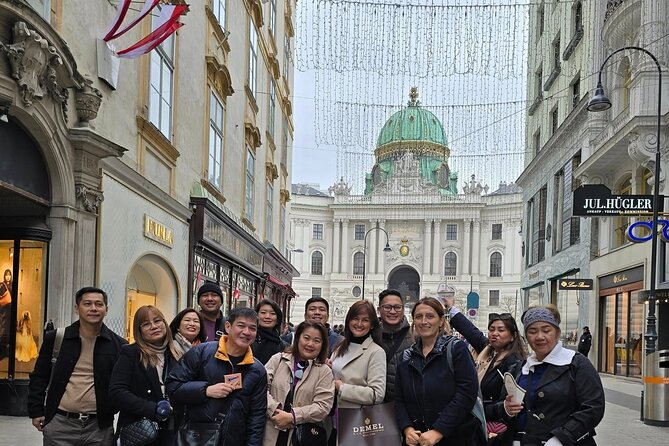
- Up to 15 people means you can actually hear the guide and ask questions.
- Designed for orientation with classic Vienna stops in about 90 minutes.
- Coffee-house storytelling around Julius Meinl am Graben, with suggestions for where to go next.
- A tight route from Mozart sites to Stephansdom, then on to the Ring area and the Hofburg.
- Free stop entries marked on the route, so you spend time seeing more than waiting.
The Value: Why This 2-Hour Vienna Guided Walk Works
At $46.96 per person for about 2 hours, you are paying for structure. In a city as scenic as Vienna, structure is not boring, it is efficient. You get a guide for 90 minutes, you get a small group up front, and you get an itinerary that threads together religious landmarks, civic buildings, and the sights tied to music and the Habsburgs.
You also get planning support that many one-size-fits-all tours skip. This one includes a printed Vienna information package, a Vienna city map, and practical suggestions for organizing the rest of your stay. I like tours like this because they can save you from making the classic first-day mistake: wandering for hours without knowing what matters most.
One practical tip from the setup itself: it is an on-foot route with quick stops. That means your best strategy is to wear comfortable shoes and keep your phone charged, since you start at Mozarthaus and use a mobile ticket.
More City Tours in Vienna
- Vienna: Guided Walking Tour of City Center Highlights
★ 4.7 · 4,989 reviews - Vienna: City Cruise with Optional Lunch
★ 3.4 · 3,982 reviews - Vienna: City Cruise
★ 3.3 · 2,978 reviews
Starting at Mozarthaus: Mozart’s Vienna in Plain Sight
The tour begins at Mozarthaus Vienna, the Mozart house and museum area at Domgasse 5. Even if you are not a hardcore classical-music person, this stop gives you a quick emotional anchor. It is one of the places tied to Mozart spending about two years in Vienna, connected with the so-called Figaro House.
What I like here is the way it frames Vienna as a working city of artists, not just a museum city. You get context early, so the later stops make more sense. For example, when you reach major cultural institutions like the Burgtheater, you have already been primed to think about Vienna as a stage for music and performance.
If there is a drawback, it is just timing. The first stop is short, about 5 minutes. You will get the story, but you will not get a full museum visit unless you go back later under your own schedule.
Stephansdom and the Gothic Mindset of Vienna
Next comes Stephansdom, St. Stephen’s Cathedral. This is the Vienna landmark that almost forces your eyes up, thanks to its 12th-century gothic look. The guide’s job in a stop like this is to help you read what you are seeing, not just name it.
I like that this tour places a cornerstone landmark near the start. If you see Stephansdom early, everything else you do later feels more connected. Even your photo walks work better because you know where the city’s historic center is pointing.
This stop is about 10 minutes. That is just enough time to grasp the cathedral’s visual impact and hear the key talking points, then move on before you start to feel like you are waiting for the group to catch up.
Pestsaule in the Graben: Baroque Drama You Can Spot in Seconds
Then you hit the Colonna Della Peste, also called the Pestsaule, in the Graben area. This is a strong move in the itinerary because it shifts style and mood. You go from gothic cathedral energy to a 17th-century baroque plague, or Holy Trinity, column.
What makes this stop memorable is that Vienna’s grand public monuments often have a personal purpose. Even if you only catch the essentials in a quick stop, you learn to look past the beauty and think about what the monument meant to the people who lived through the fear that led to it.
This is another short stop, about 10 minutes. You should plan to pause long enough to really look at the column details, then step back to see it in its street setting. The street context matters here.
A different sort of Vienna day:
- Vienna: Vivaldi’s Four Seasons Concert in Karlskirche
★ 4.7 · 14,951 reviews - Vienna: Spanish Riding School Training
★ 3.9 · 9,281 reviews - Vienna: Skip-the-cashier-desk-line Giant Ferris Wheel Ride
★ 4.5 · 7,859 reviews - Vienna: Schönbrunn Palace & Gardens Skip-the-Line Tour
★ 4.7 · 7,739 reviews
Peterskirche: A Baroque Church Stop That Feels Like a Reset
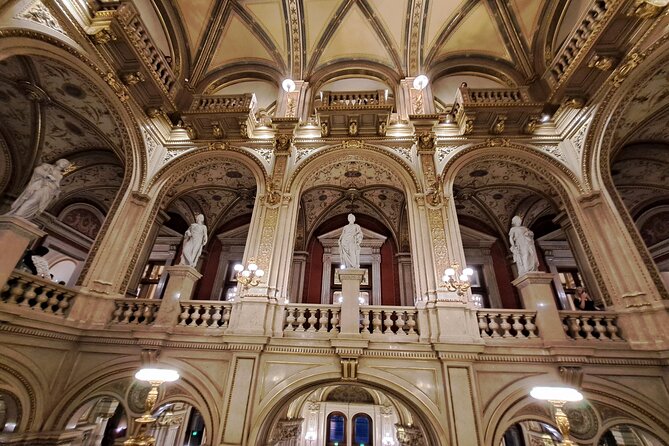
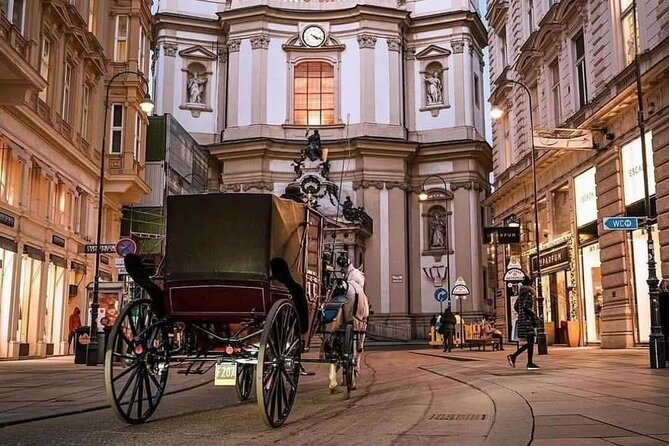
Peterskirche is next, and it is described as the most beautiful baroque church in Vienna. That phrasing might be a strong claim, but I get the idea. Baroque churches tend to feel like visual theater: curves, light, drama, and a sense of movement.
For me, this stop is like a palate cleanser. After Stephansdom and the plague column, you get back to religion and architecture again, but with a different flavor. It helps you appreciate how Vienna can switch styles without losing its identity.
You will spend about 5 minutes. That means bring your attention. Look up, take in the overall impression, and then move on while it is still fresh.
Coffee House Culture at Julius Meinl am Graben
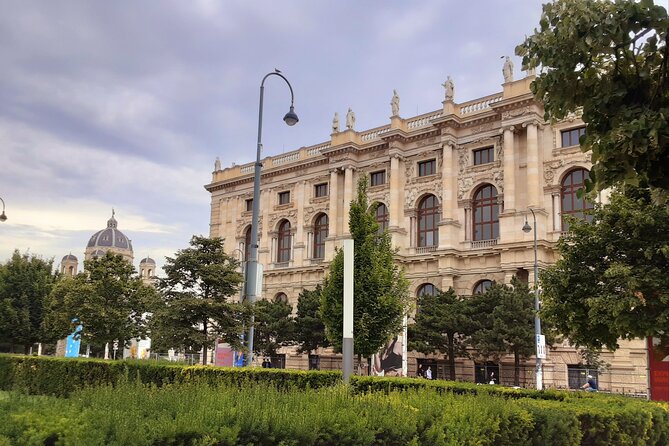
One of the smartest parts of this route is Julius Meinl am Graben. This stop is where the tour gets very Vienna. You learn the story about the first coffee houses in Vienna and why the city became so tied to coffee-house culture.
I like this stop because it connects architecture and history to everyday life. Vienna is not just palaces and churches. It is also places where people meet, argue, write, and watch the city roll by.
The guide also shares suggestions for coffee houses you can visit during the rest of your trip. You are not left with vague advice. You get a shortlist style recommendation, and you can match it to your mood: quick espresso stop, longer sit-down, or something with a classic feel.
Expect about 5 minutes here. If coffee is your thing, you will likely want to return later, but this stop gives you the why and the next-step list.
Palais Ferstel and Cafe Central Territory
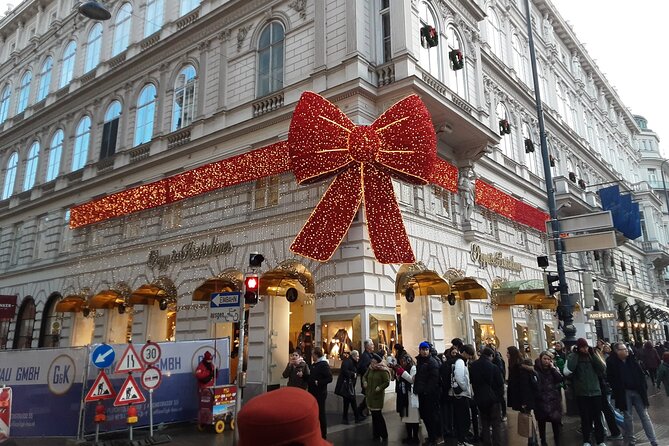
Next up is Palais Ferstel, tied to the historical Cafe Central. You walk through its beautiful passage and learn what makes this kind of place tick.
This is one of those stops where timing helps. You are not forced into a long café session on the tour itself. Instead, you get the setting and the story, then you can decide later if you want to spend your own time over coffee, dessert, or a late lunch.
The stop is about 10 minutes. That is enough time to enjoy the architecture and understand why Cafe Central belongs on the Vienna hits list.
If you are on a tight itinerary, take note: this is a good area to revisit later because it is central and easy to pair with other sights.
Schottenkirche and Freyung: Why a Scottish Church Exists Here
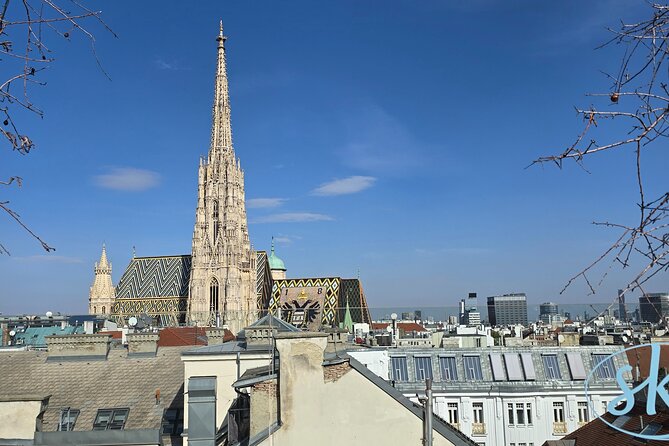
Now you get a surprise: Schottenkirche. The guide explains why Vienna has a Scottish church and monastery at Freyung. This is not a common fact you hear just by sightseeing. It turns a church stop into a story stop.
The route also brings in Freyung as one of the oldest areas in Vienna, with seasonal markets that still draw visitors throughout the year. Even if you are visiting in a quieter season, the idea is useful. Markets are part of how locals experience the center, not just tourists.
This stop is about 10 minutes. The key is to listen to the story part, then look at how the area feels. It is one of those places where you can feel old Vienna in the layout, even if the buildings have changed over time.
Votivkirche: Modern Gothic in a 19th-Century Frame
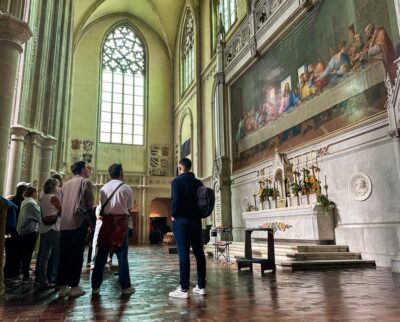
Votivkirche is next, described as a modern Gothic church from the 19th century and one of the most magnificent churches of Vienna. Calling it modern relative to earlier gothic styles makes sense when you look at the bigger picture. Vienna’s architecture timeline is layered.
This is a short stop, about 5 minutes, so you will get the essentials rather than a deep architectural analysis. Still, it is a good way to show you that Vienna’s gothic look does not belong only to medieval centuries.
If you like architecture that shows a period’s values, this is a quick payoff.
Beethoven Museum: Music History You Can See in a Walk
The Beethoven Museum stop focuses on the apartment and museum of Beethoven in Vienna. This is the other “music anchor” on the tour, balancing the earlier Mozart start.
What I like about mixing Mozart and Beethoven on one route is the mental map it creates. You start to see Vienna as a city that produces and preserves musical identity, not just a place where famous composers once visited.
Expect about 5 minutes. Again, this is not a full museum visit. It is enough to plant the idea so you can decide if you want to spend more time later.
University of Vienna and the Scandal Story
Then comes Universitat Wien, the University of Vienna. The stop focuses on who started it, why it matters, and the scandal behind him.
That “scandal” detail is exactly why this stop can be more fun than it sounds. Universities often get treated as solemn buildings from the outside. A scandal story gives it human scale.
The time is about 5 minutes, so the best approach is to listen for the timeline and the key point the guide wants you to remember, then look at the surrounding area. Even without going inside, you can understand why this spot matters.
If you like witty, memorable historical explanations, this is one of the stops where you will feel the guide’s style.
Burgtheater and Vienna’s Stage Legacy
Burgtheater is next, described as the oldest theater of Vienna. The guide notes it was part of the Hofburg palace earlier, then moved to this magnificent building in the 19th century.
This is a valuable stop because it ties together everything you have already heard about music and performance. It also helps you visualize how the city’s cultural institutions evolved, from palace-related space into dedicated theater architecture.
You will spend about 5 minutes. Use that time to look at the building’s scale and think about how people moved through this cultural engine every week.
Rathaus and Parliament: The Ring Street Power Tour
From there, you reach the political and civic showpieces: Rathaus, the gothic city hall of Vienna, and then the Austrian Parliament with its Greek style architecture.
These stops are about 5 minutes each, which means they are there for orientation, not deep study. But orientation matters. When you later drive, walk, or hop on transit around the Ring Street, you will recognize these buildings instantly.
I like that the tour keeps the pacing moving through these spots, because Vienna’s center can feel like a lot of “pretty things.” Civic and political buildings give structure to that beauty.
Volksgarten Roses: A Garden Pause You Should Actually Notice
Volksgarten is next, and the important detail is seasonal: thousands of colorful roses from April to November. The guide basically puts it on your radar so you do not miss it if you visit during bloom time.
Even if roses are not in season for your trip dates, this stop is still worth a quick walk-through mentally. Gardens change how a city feels, and Vienna is no exception. A short pause here helps you cool down before the final big finish.
You’ll have about 5 minutes, so focus on the layout rather than trying to photograph every rose.
Hofburg Finish: Habsburg Power in Multiple Building Styles
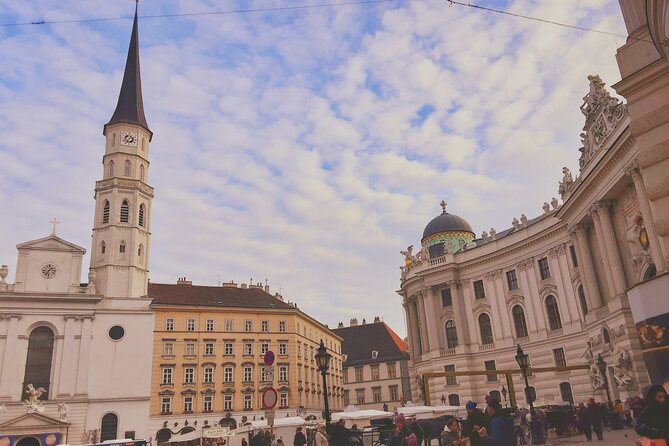
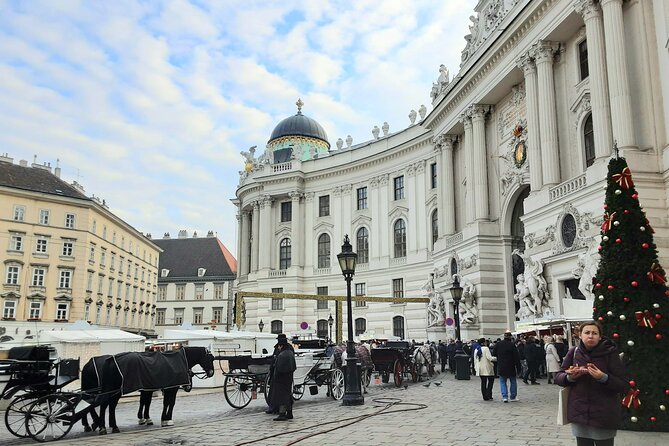
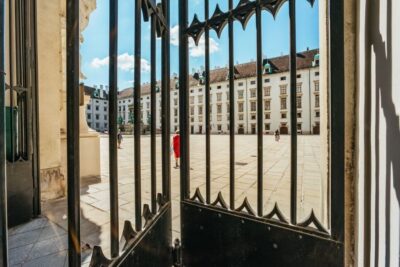
The tour ends at the Hofburg, the Winter Palace of the Habsburgs. The information provided here matters: it is a complex of several buildings built in different centuries and styles. That one sentence helps you understand why the Hofburg looks the way it does, layered instead of uniform.
The tour finishes in front of the Hofburg Palace at Heroes Square. This ending is a smart choice because Hofburg is a natural hub. If you want to continue your day on your own, you are placed in a spot where you can easily go in multiple directions.
You get about 20 minutes here. That is the longest stop of the day, and it signals the tour is letting you absorb the big picture: Vienna as a seat of power, culture, and architecture stacked over time.
Who This Tour Suits Best (And Who Might Want More)
This is a great fit if you:
- are doing Vienna for the first time and want fast orientation
- like hearing the story behind what you are seeing, not just reading plaques
- prefer a small group that does not feel crowded
- want practical recommendations, especially for coffee-house stops
- want an English guide and a clear route you can trust
You might want a different plan if you:
- only care about major museum interior time
- expect long stays at each site rather than short, guided look-arounds
- want a tour that includes timed tickets and long entry lines beyond what is already marked free on the route
Booking Sense Check: Should You Book This Vienna City Tour?
Yes, if you are early in your trip and want your bearings. The best value is not just the landmarks. It is the combination of guided storytelling, short stops that keep the energy up, and planning help you can use immediately after the tour.
Book it early if you can. You will finish at Hofburg, and you will have a mental map for where to go next. If coffee culture is part of your travel style, this tour gives you a useful head start, not just a single photo stop.
If weather is bad, you might see date changes, so keep your schedule flexible. Otherwise, this is a clean, efficient way to learn Vienna without spending your day stuck in transit or guessing what matters.
FAQ
How long is the Vienna guided city tour?
The guided portion is about 90 minutes, and the total experience is listed as approximately 2 hours.
What language is the tour offered in?
It is offered in English.
How many people are in the group?
The group is small, with a maximum of 15 travelers.
Is there a mobile ticket?
Yes, it includes a mobile ticket.
Where does the tour start?
It starts at the Wien Museum Mozart apartment (Mozarthaus) at Domgasse 5, 1010 Wien.
Where does the tour end?
It ends in front of the Hofburg Palace at Heroes Square, 1010 Vienna.
Are entrance fees included for museums?
No. Entrance fees to museums are not included.
Are any stops marked as free to enter?
Many stops on the route are marked as Admission Ticket Free in the provided itinerary.
What is included in the price besides the guide?
You get one printed copy of a Vienna information package and a Vienna city map, plus practical suggestions for organizing the rest of your stay.
What is the cancellation policy?
Free cancellation is available up to 24 hours in advance for a full refund. Weather issues may lead to a different date or a full refund.
Latest Vienna reviews
- Private tour of Hallstatt and Salzburg through beautiful Alps★ 5.0 · 3 reviews
- Vienna: Vienna under the Nazis, Private Walking Tour★ 1.8 · 3 reviews
- Magical Vienna Christmas Market Tour – 2 Hours★ 2.7 · 3 reviews
- Vienna: Mythos Mozart Experience Ticket& Guided Walking Tour★ 2.5 · 3 reviews
- Vienna: Private tour Mauthausen and Linz★ 4.1 · 3 reviews
- Vienna Private Schönbrunn Palace Tour, Extra Rooms and Gardens★ 5.0 · 3 reviews
- Skip-the-line Belvedere Palace Guided Tour with Transfers★ 5.0 · 3 reviews
- Schoenbrunn Palace Skip-The-Line and Vienna Highlights Private Tour★ 4.5 · 3 reviews
City Tours, compared.
Guided Walking Tour of City Center Highlights
Read our review →
Guided Walking Tour of City Highlights & Hidden Gems
Read our review →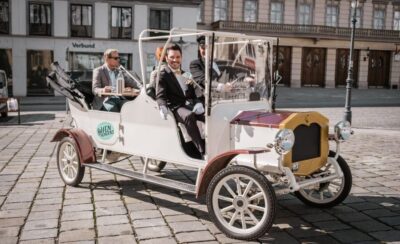
City Sightseeing Tour in an Electro Vintage Car
Read our review →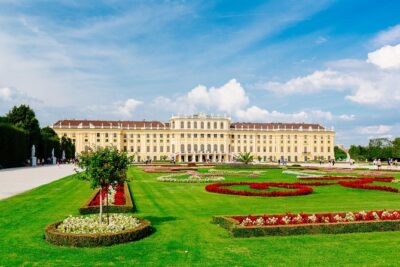
Skip-the-Line Schonbrunn Palace Guided Tour and Vienna Historical City Tour
Read our review →
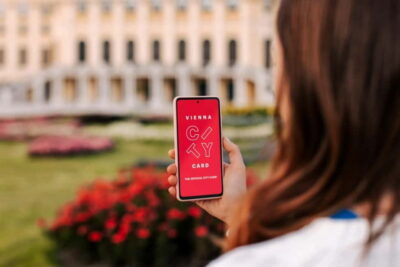
Vienna City Card: Public Transport incl. 200+ discounts
Read our review →Browse the lists this tour appears in