Reviewed · TICKETS
Vienna House of Music Entrance Ticket
The Vienna House of Music is interesting because it turns music into something you can touch, test, and play with. You walk in expecting a museum, but what you get is a hands-on playground that still respects the serious side of classical Vienna. My favorite parts are the Vienna Philharmonic sound archives and the interactive VR conductor experience, both of which make the city’s music feel personal.
I especially like how the museum mixes composer stories with modern tech, so it works even if not everyone in your group is a die-hard classical fan. One thing to consider is timing, because the afternoon can get busy, and you will enjoy the interactive stations more if you go earlier in the day.
Key Highlights at a Glance
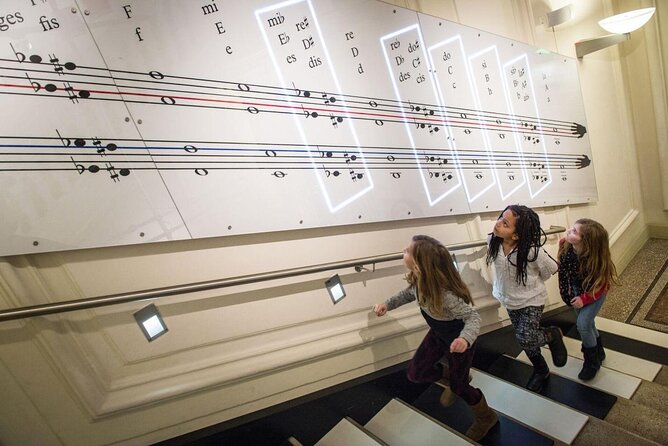
- Vienna Philharmonic listening archive, including a chance to hear the New Year’s Eve concert
- VR Sound Lab and Sonotopia Universe, including a chance to create your own sound creature
- Interactive physics of sound stations, where you test how sound behaves
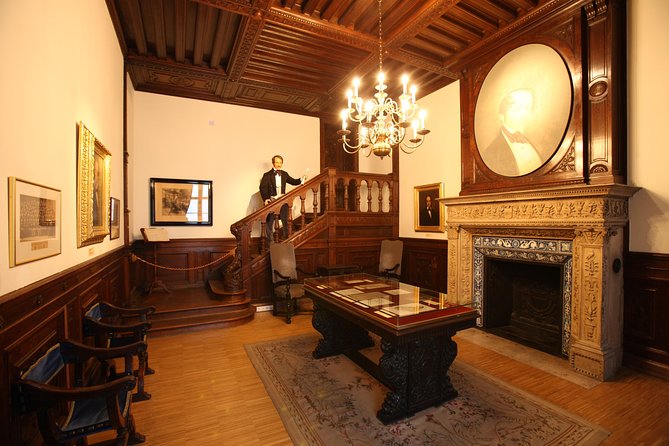
- Composer floors for Beethoven, Mozart, and the Strauss family, plus other Vienna-linked musicians
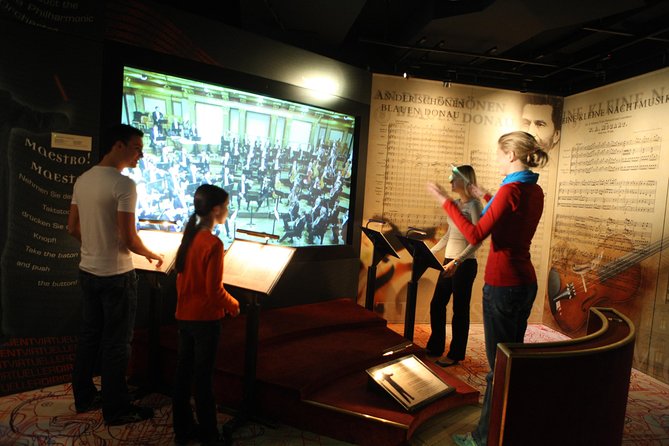
- Virtual conductor on the top floor, with feedback after you try conducting
- Smartphone museum guide download, available in 8 languages including a family version in German and English
House of Music, Vienna: sound becomes something you can test
If you like the idea of learning without reading everything, this museum is a solid choice. The House of Music sits in central Vienna, and it feels a bit off the main tourist track. That is good news, because you get a calmer museum vibe than you might expect in the busiest parts of the city.
What makes it work is the balance. You are not just looking at instruments or framed portraits. You are doing stuff. You press, move, listen, and watch visual results that connect sound to motion, space, and timing. That approach also explains why the museum lands well for families, couples, and solo travelers.
The museum is also very clearly built around the Vienna music story. You go beyond famous names and into what music meant in the city, then you connect that to how sound works physically. You can go at your own pace, but there is enough variety that it stays entertaining instead of turning into museum fatigue.
More days in Vienna:
- Vienna: Vivaldi’s Four Seasons Concert in Karlskirche
★ 4.7 · 14,951 reviews - Vienna: Spanish Riding School Training
★ 3.9 · 9,281 reviews - Vienna: Skip-the-cashier-desk-line Giant Ferris Wheel Ride
★ 4.5 · 7,859 reviews
Ticket price and what it buys you (about $22.93)
The ticket price is $22.93 per person, and that number matters because you are not paying for a guided escort or a long structured tour. You are paying for entry to a museum experience that runs on interactive stations and multi-floor exhibits.
For most people, expect about 1 hour 30 minutes to 2 hours. That is a good length for a Vienna afternoon slot. It is long enough to try several hands-on areas, including VR, and short enough that it does not swallow your whole day.
What you get is an entrance ticket plus a included smartphone download, the HdM Museums Guide. The museum also clearly encourages you to use your phone, which is helpful because some people like a bit of direction when they face a room full of buttons and displays.
If you are the type who likes learning but dislikes guided tours, this is a rare museum ticket that still feels organized. You can wander, but the building structure guides you naturally from sound science to Vienna composer life and then to the big finale of conducting.
Timing your visit: why morning often feels better
Opening hours are long, which helps you plan. For most of the season listed, the museum runs daily from 10:00 AM to 10:00 PM. There are shorter hours on 12/24/2025 (10:00 AM to 6:00 PM), and from 12/25/2025 to 12/31/2025 it runs 10:00 AM to 10:00 PM again.
With that much day coverage, you can choose a time that fits your energy level. Here is the practical tip: if you want the VR and other interactive moments to feel smooth, go earlier rather than late afternoon. When the museum is busy, stations take longer to reach and you spend more time waiting than testing.
If your trip includes a classical concert later, consider using the museum as a warm-up. Seeing how conducting works and how sound connects to performance can make the concert feel more grounded.
Your visit flow inside the House of Music
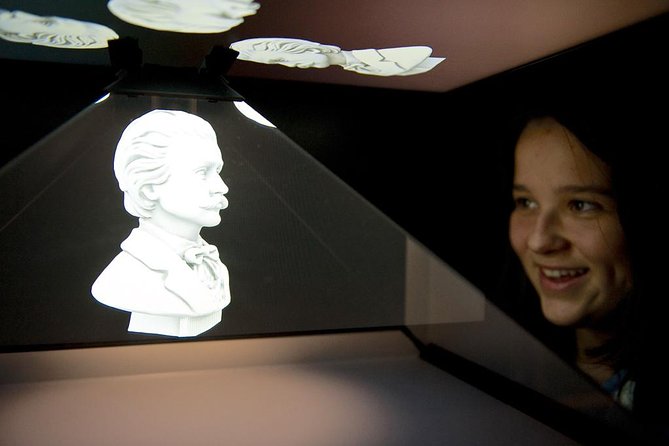
This experience is essentially one museum, but it has a clear progression. You can treat it as a sequence of mini stops across floors.
You start in the central exhibition areas, where you get the sound science angle. Then you move into Vienna music specifics, including the Vienna Philharmonic materials. Finally you end with the interactive conductor activity at the top level. If you let yourself go in this order, you get the best cause-and-effect feeling, how sound rules lead into music performance.
Do not rush. Some exhibits reward time, especially the ones that combine listening and motion. If you only skim, you will miss the moments where the museum explains itself through your own actions.
Other Vienna bookings to compare
- Vienna: Classic Ensemble Vienna in St. Peter’s Church Ticket
★ 4.7 · 4,819 reviews - Vienna Kunsthistorisches Museum Day Admission Ticket
★ 4.6 · 3,690 reviews - Vienna: Tickets for Mozarthaus Vienna with Audio Guide
★ 4.2 · 2,344 reviews - Vienna: Skip-the-Line Entrance Ticket to the Danube Tower
★ 4.5 · 2,303 reviews
First impressions: the sound-science approach
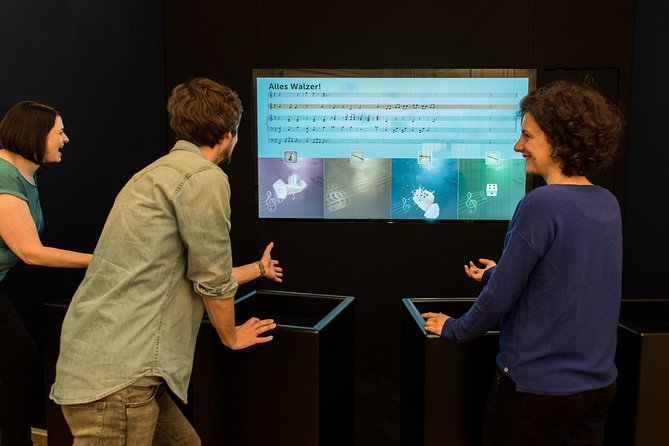
The House of Music is dedicated to the science of sound as well as classical music. That is not just a slogan. Early areas help you understand sound as a physical experience, not an abstract art form.
You will likely notice stations that let you test how sound behaves. The key point for you is that the museum does not treat physics like homework. It uses your curiosity. You experiment, then you see what changes in the display or what changes in the sound.
If you are traveling with kids, this is where they usually settle in fast. Adults also tend to enjoy it because it gives a simple explanation for things you may have heard in music settings but never connected to real mechanics.
This is also a good area to start if you feel overwhelmed when you see a lot of interactive tech. You ease into the style of the museum instead of jumping straight into the most high-demand exhibits.
Vienna Philharmonic archives: listen to the city’s musical spotlight
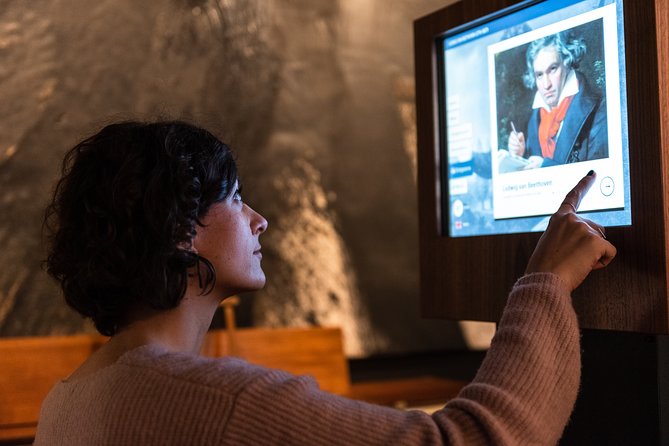
One of the museum’s strongest draws is its historical archives connected to the Vienna Philharmonic. This is where the museum shifts from experimenting to storytelling, and it does so with sound.
You can listen to the famous New Year’s Eve concert recordings within the museum’s archive experience. That matters because it is not just name-dropping. You are hearing the kind of performance that helped shape Vienna’s reputation for orchestral tradition.
I like this segment because it gives context. You learn that the museum is not random entertainment. The tech and interaction support a real musical heritage, and this archive portion is where that connection becomes obvious.
If you are a classical lover, this part can be a mental reset. You stop seeing sound as a set of effects and start hearing it as performance, celebration, and culture.
Sonotopia Universe and the VR Sound Lab on the second floor
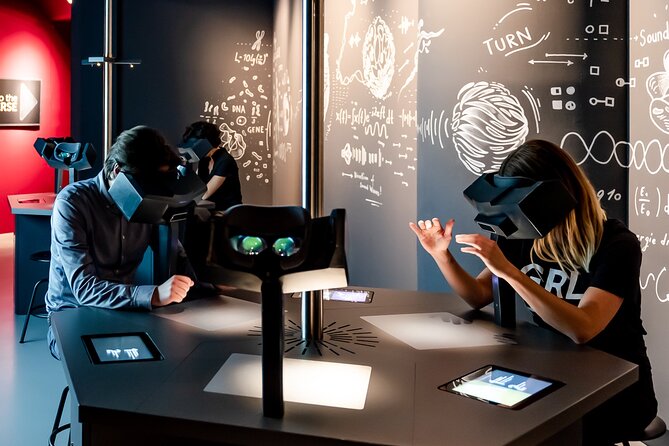
On the second floor, the museum brings in a more immersive, world-building feel with Sonotopia Universe. This is where technology becomes a tool for creativity rather than just a gadget.
You can create your own sound creature in a VR Lab setting. If you like interactive experiences, this is the place to prioritize. It turns listening and sound-making into something you shape, and that makes the rest of the museum stick in your mind longer.
There are also interactive stations tied to the physics of sound here. So even if VR is not your thing, you still get hands-on learning without feeling like you missed the star attraction.
A practical note for VR-style exhibits: it tends to feel best when you are not rushing. If you go early and you are relaxed, you will get more out of the experience, because VR needs a bit of patience and focus.
Composer floors: Beethoven, Mozart, Strauss, and the Vienna connection
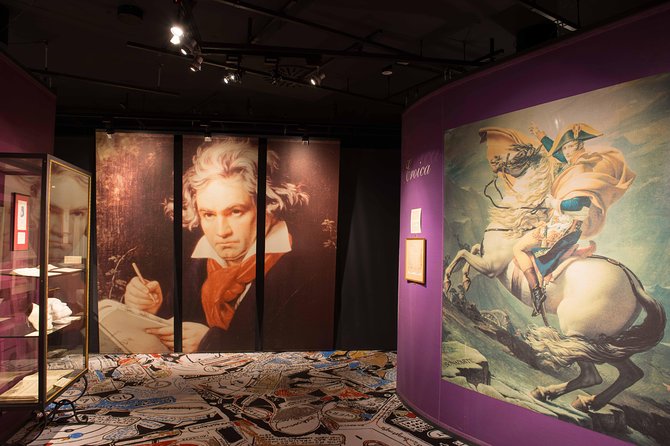
When you move up to the next level, you shift into composer life in Vienna. The museum highlights figures linked to the city, including Beethoven, Mozart, and the Strauss family, and you can learn how they lived and created music in Vienna.
This part works because it is not just about the composers as distant legends. You get the feeling of Vienna as a place that shaped their work and their musical environment.
If you enjoy facts, you can absorb a lot. If you prefer motion and audio, the layout still supports that, because you can pair reading with listening and interaction. The museum design helps you avoid the all-text trap.
I also like that this segment fits different audiences. Music fans get names and context, and non-experts still get a coherent Vienna story.
The virtual conductor: your baton, the orchestra, and feedback
The museum’s grand finale is the virtual conductor exhibit on the top floor. This is the moment you look forward to even if you swear you are not impressed by tech.
Here is how it works: you test your conducting skills by waving a baton along to video of Vienna Philharmonic playing. The activity includes feedback after you have a go, so you are not just mimicking movements. You get results, which makes it feel like a game with real learning attached.
One review detail that matches what makes the exhibit fun is a hand-movement style activity that can display your motif on the ceiling. Even if you do not focus on the technical side, that kind of visual payoff helps you feel connected to the performance.
If you are visiting for a family day, this is a crowd-pleaser. Kids get to perform in a safe, silly way. Adults get to understand conducting in a more physical, intuitive way.
Also, if you have concert tickets later, this is the most direct way to prepare. You learn what conducting looks like from the inside, so the music performance feels less like magic and more like craft.
Using the smartphone guide in 8 languages (and a family version)
You can download a free HdM Museums Guide to your smartphone. It is available in 8 languages, and there is also a family version in German and English.
This matters because the museum is interactive, so it can be easy to wander without noticing what each exhibit is trying to show you. The guide helps you connect your play to the meaning.
A practical way to use it: do not treat it like a required reading assignment. Use it to pick one or two exhibits per floor, then follow the guide just enough to understand what to listen for or what to watch. That keeps your time flexible.
Since guide narration options are in multiple languages, it can also help if your group includes mixed levels of German or English comfort.
Who should book this: match your mood to the museum style
This is a strong fit for people who want hands-on learning and music culture in the same hour and a half. If you love classical music, it gives you Vienna Philharmonic context and composer storytelling. If you are traveling with kids, it offers multiple activity lanes, not just one.
It is also a great match for couples who want something different from walking through churches and shopping streets. The museum gives you a break from big-city scenery, and it gives you shared moments that do not depend on great weather.
If you are very price sensitive, consider whether you would rather spend time and money on a performance instead. This is a museum ticket, not a concert. Still, the interactivity can justify the cost if you prefer active experiences over passive sightseeing.
Practicalities that make it easier on the ground
The museum is near public transportation, so it is easy to slot into an itinerary without complicated logistics. Service animals are allowed. The experience is also described as suitable for most travelers, which suggests the exhibits are approachable for a wide range of visitors.
Food and drinks are not included in the ticket. So plan to grab a snack before or after your visit. Since the museum runs late, you can also time a meal around it.
You should also expect that not every interactive station will be fully available at every moment, especially at peak times. That is normal for museums with interactive tech. If something is busy, you can usually shift to another station and come back.
Should you book the Vienna House of Music entrance ticket?
Yes, if you want a museum that feels like you are doing something, not just looking. The combination of Vienna Philharmonic sound archives, VR creation, and the virtual conductor with feedback makes it worth your attention.
Book especially if:
- You are traveling with kids and want activities that do not feel like work
- You love classical music and want a fun, sensory way to learn
- You want a 1.5 to 2 hour indoor plan that works even on long Vienna days
Skip it if:
- You prefer traditional quiet museums and dislike interactive stations
- You have very little time and need the shortest possible activity
If you pick a morning or early afternoon slot, you will likely enjoy the stations more and get more out of the VR and conducting moments.
FAQ
How long does the House of Music entrance ticket take?
It is listed as about 1 hour 30 minutes to 2 hours.
How much is the Vienna House of Music ticket?
The price is $22.93 per person.
Is the experience offered in English?
Yes, it is offered in English.
What is included with my ticket?
Your ticket includes admission to the House of Music and the free smartphone HdM Museums Guide download.
What can I do inside the museum?
You can explore interactive displays about the science of sound and classical music, listen to Vienna Philharmonic archive content, try interactive activities including a virtual conductor exhibit, and create your own sound creature in a VR Sound Lab.
Are opening hours available throughout the year?
The provided dates show long daily hours from 10:00 AM to 10:00 PM for most days, with specific shorter hours on 12/24/2025.
Are food and drinks included?
No. Food and drinks are not included.
Can I cancel for a refund?
Yes. You can cancel up to 24 hours in advance for a full refund. If you cancel less than 24 hours before the start time, the amount paid is not refunded.
Latest Vienna reviews
- Vienna Food Tour: Dishes, Wine, Street Food & Culture★ 4.7 · 12 reviews
- eBike Vienna 90min guided tour – use ebike for the whole day★ 4.0 · 13 reviews
- A box for a romantic walk in the city center of Vienna★ 5.0 · 13 reviews
- Vienna: mumok Museum of Modern Art Entry Ticket★ 3.8 · 13 reviews
- Vienna: Austrian Wine Tasting★ 4.8 · 13 reviews
- Bratislava Private Tour from Vienna★ 4.5 · 13 reviews
- Private One Day Trip to Bratislava from Vienna★ 4.5 · 13 reviews
- Best of Vienna Tour in TUK TUK!★ 5.0 · 14 reviews
Tickets, compared.

Classic Ensemble Vienna in St. Peter’s Church Ticket
Read our review →
Vienna Kunsthistorisches Museum Day Admission Ticket
Read our review →
Tickets for Mozarthaus Vienna with Audio Guide
Read our review →
Skip-the-Line Entrance Ticket to the Danube Tower
Read our review →