
Klimt and Vienna around 1900 is interesting because it connects the famous paintings to the people, ideas, and arguments happening in the city at the time. I love how this tour gives you the Upper Belvedere Palace setting, not just a list of artworks, and I also love that you get to see The Kiss alongside the broader Klimt story. One drawback to keep in mind: this is a 90-minute guided visit, so you will focus on key highlights rather than every Klimt room in the museum.
You’ll start inside the Upper Belvedere, meet your guide, and get a clear, story-driven path through Vienna’s art scene. In my experience with tours like this, the biggest value comes from the guide’s ability to make connections, and here that is a Ph.D. art historian who can explain what you’re seeing and why it mattered. If you want to wander slowly on your own after, plan a bit of extra time.
The tour is led by Kolja Kramer, and the tone matters. The reviews I saw point to a guide who brings passion, warmth, and even a good sense of humor, not a lecture that puts you to sleep. If you are the type who expects to see everything cover to cover, you may feel it moves fast, which is worth planning for.
Key things you will notice on this tour
- A guided path inside the Upper Belvedere that uses the palace itself as part of the story
- The Kiss and other Klimt highlights set in historical context, not just admired in silence
- A real art-historian perspective from a Ph.D. specialist explaining Vienna around 1900
- Vienna Secession basics and why the group mattered in 1897
- Connections to other artists like Egon Schiele and Josef Hoffmann, plus international influences
- Style spotting across Symbolism, Impressionism, and Expressionism as the era shifts
Upper Belvedere as your time machine for Klimt
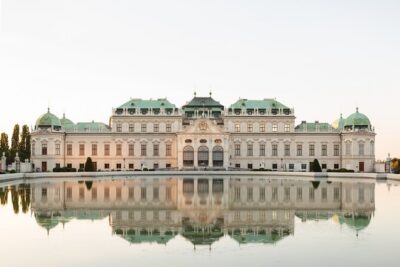
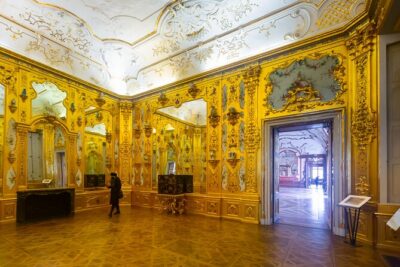
This experience centers on the Upper Belvedere Palace, a place where art and setting work together. The palace is not just a container for paintings. It also helps you understand why Vienna could feel so theatrical at the turn of the century, with major patrons, big gestures, and serious cultural ambition.
The tour also uses the city view as a practical and emotional anchor. You’ll get a look out over Vienna from the palace grounds, and it helps you picture how artists and thinkers were responding to modern life. That moment of seeing the city from above makes the conversation about art feel grounded, not floating in theory.
And then there is the simple fact that Klimt’s works here are original. You’re not getting a copy, poster, or a quick photo stop. You’re standing in front of paintings that people traveled for, argued about, and used as symbols of what Vienna was becoming.
More Belvedere and Klimt:
- Entry Ticket Upper Belvedere, Klimt’s Kiss & Permanent Collection
★ 4.5 · 831 reviews - Vienna Belvedere Palace Skip-the-line Tour & Official Guide
★ 4.9 · 390 reviews - Vienna: Belvedere Palace Skip-the-Line Tour
★ 4.9 · 197 reviews
Where you meet, and why the exact meeting point matters
You meet inside the Upper Belvedere Palace, in the entrance hall, right in front of the grand imperial staircase. That sounds like a small detail, but it saves you time and stress. Belvedere is busy, and if you show up late or end up at the wrong building, you lose the start of the tour and the guide may not be able to wait.
This tour also does not include the museum entrance ticket. You need your own timed ticket for the Upper Belvedere. Plan your arrival so you can get inside on schedule. If you are the kind of traveler who likes a coffee first, build in time for the ticket line too.
On accessibility, this tour is wheelchair accessible, which matters at the palace. If you use a wheelchair or mobility aid, it is still smart to arrive early so you are not trying to manage timing right as the group begins.
Prince Eugen’s palace story, plus the view over Vienna
Before you even get deep into Klimt’s paintings, you’ll hear about the palace itself. The Upper Belvedere was tied to Prince Eugen of Savoy and his summer palace plans. That matters because it explains the “who” behind the architecture and art commissions, not only the “what” on the walls.
The guide will also point you toward an important idea about Vienna around 1900: art was not isolated from power. Patrons, collectors, and cultural institutions shaped what got seen, supported, or challenged. In other words, paintings did not happen in a vacuum.
Then you get the view. Even if you have seen Vienna from other viewpoints, this one adds context. It frames the city as the stage where painters, designers, and writers competed for influence. When you later hear about the Vienna Secession, the scene outside the palace helps the story feel real.
The Klimt collection you came for, and how the tour keeps it understandable
The biggest draw here is the largest collection of Klimt paintings in the city. You will also see The Kiss, which is the headline for many people. What makes a guided visit worth it is that you do not just look. You learn how to look.
Your guide, a Ph.D. art historian, puts Klimt’s work into its historical context. That means you should come away understanding what changed in Klimt’s artistic development and how his personal life intersected with his themes. You won’t just memorize facts. You’ll connect the visual style to the era’s psychology.
A helpful way to think about this tour is that it turns Klimt from an icon into a person working inside a complicated moment. Klimt was famous, yes, but he also had to respond to critics, patrons, and the cultural mood. The guide’s job is to show you those pressures in plain language.
One practical note based on the tour’s length: in 90 minutes you will focus on the top works and the strongest stories. If your dream is to see every Klimt painting in the building without time pressure, you might want more museum time after the guided portion.
More days in Vienna:
- Vienna: Vivaldi’s Four Seasons Concert in Karlskirche
★ 4.7 · 14,951 reviews - Vienna: Spanish Riding School Training
★ 3.9 · 9,281 reviews - Vienna: Skip-the-cashier-desk-line Giant Ferris Wheel Ride
★ 4.5 · 7,859 reviews - Vienna: Schönbrunn Palace & Gardens Skip-the-Line Tour
★ 4.7 · 7,739 reviews
Vienna Secession, explained without making it feel like a textbook
A big theme of this tour is the Vienna Secession, founded in 1897 by artists including Klimt and others. This is where the experience becomes more than “look at paintings.” It becomes “why did artists form groups, and what were they trying to change?”
You’ll learn how the Secession put young and upcoming artists in the spotlight. You’ll also hear how they brought international works of art to Vienna. That matters because Vienna was not sealed off. It was plugged into European art ideas, then remixing them in a uniquely Viennese way.
The tour also links the Secession’s mission to what you see on the walls. When you hear about international artists like Monet, Munch, Hodler, Segantini, and van Gogh, you start spotting the directions those influences point to. You begin to understand why certain visual choices felt new and even shocking at the time.
The era beyond Klimt: Schiele and Hoffmann in the same conversation
One of the best things about this tour is that it widens the lens. You’ll hear about major players in Vienna around 1900, including Egon Schiele and Josef Hoffmann. That keeps Klimt from feeling like a lone superstar.
Schiele’s name comes up for a reason. He is part of the same cultural climate that shaped how Vienna treated the human figure, emotion, and modern identity. Even if you do not see Schiele paintings in this exact highlight list, the guide uses the names to give you a map.
Josef Hoffmann adds a design and architecture connection. That’s important because Viennese art around 1900 was not just painting. It touched interiors, furniture, posters, and the look of daily life. When you hear these connections out loud, the style choices make more sense.
Why symbolism, impressionism, and expressionism get mentioned here
Your guide will help you spot examples of Symbolism, Impressionism, and Expressionism. Even though those labels are sometimes used like fashion, in Vienna around 1900 they are practical tools for describing the changes happening in art.
Symbolism is about mood, inner meaning, and the idea that what matters is not only the surface. Impressionism pushes how light and perception work, often making everyday scenes feel immediate. Expressionism leans into raw emotion and the distortion of reality to communicate a stronger truth.
The tour’s value is that you do not treat these labels as trivia. You use them to understand what the paintings are trying to do. When you stand in front of Klimt, you should come away thinking about how the visual language communicates ideas about identity, desire, and the era’s tensions.
What you will actually do with your eyes during the 90 minutes
This tour is structured, but it still feels like a walking conversation. You should expect a guided movement through the palace’s key museum spaces, with your guide pausing at the works that most clearly support the story.
A smart strategy on your end is to listen for the guide’s “why” statements. When your guide explains what inspired Klimt, it is not only about biography. It is about connecting those inspirations to visible artistic decisions.
Also watch for moments where the tour links style to context, like how Vienna’s cultural debates may have shaped what the Secession artists wanted to show. If you do this, you will remember the paintings more clearly after you leave.
If you are more of a visual learner, it still works. You will have enough time to study details, not only glance and move on. But again, expect focus, not exhaustive coverage.
The guide experience, and why Kolja Kramer’s approach matters
The reviews and the tour format both point to the same thing: the guide’s personality and teaching style can seriously affect your outcome. Kolja Kramer comes across as friendly, warm, and engaging, with a sense of humor that keeps the pace from feeling heavy.
One review also mentioned that he was empathetic and kind when someone was having a difficult day. That is not something you should expect from every guide, but it says something about how he works with people in the room.
The other key point from the feedback is that his passion is not performative. It shows up in how clearly he connects the art to the era and to Klimt as a person. If you learn best when you feel the story, that matters.
And one caution: one review found the experience a bit dull and said they did not see all of Klimt in Vienna. That aligns with the reality of a highlight tour. If you want a slower, more complete museum crawl, you might be happier adding independent time after the guided portion.
Price and value: is $53 worth it?
At about $53 per person for 90 minutes, this tour sits in a midrange price spot for a guided museum experience in a major city. The key value is that the guide is not only a host. You are getting a Ph.D. art historian to translate context, motivation, and movement between styles.
Because the museum entrance ticket is not included, you should budget separately for the Upper Belvedere timed ticket. That said, the overall setup can still be good value if you treat the tour as your “structured learning time” and then use extra self-guided time to explore at your own pace.
Where this price feels especially reasonable is for first-time visitors. You likely come to Vienna once or twice. A 90-minute guided introduction to Klimt, plus the Secession, plus key figures like Schiele and Hoffmann, can save you hours of trying to piece the story together yourself.
If you already know a lot about Klimt and Vienna around 1900, you might not get as much out of the historical framing. In that case, a self-guided museum visit plus a short stop focused only on The Kiss could feel more efficient for your time and money.
Timing, tickets, and how to avoid the biggest headaches
This is the part that can make or break your morning. You must buy your Upper Belvedere ticket with the correct time slot, and it is necessary for entry to the Upper Belvedere only, not the Lower Belvedere.
Because Belvedere is highly frequented, there can be long queues at the ticket office. The tour group cannot wait if you arrive late, so plan for ticket collection before the tour start.
My practical advice is simple: book your museum ticket time slot as soon as you know your tour time. If you are traveling during peak season or weekends, do it early. And if your plans are tight, choose a slot that gives you buffer, not one that puts you right at the last second.
Who should book this tour
This is a strong fit if you:
- Want a clear story behind Klimt, not only a sightseeing checklist
- Like art history explained in a way that connects to real people
- Are curious about Vienna around 1900 and the Vienna Secession
- Prefer a guided pace in a big museum, especially the first time you visit
It may not be the best fit if you:
- Want to see everything in the Klimt collection without time limits
- Need complete freedom to wander room by room with no planned stops
- Are looking only for the single most famous painting and nothing else
Should you book Klimt and Vienna Around 1900?
Yes, I think you should book it if you want Klimt with context. The combination of Upper Belvedere setting, the chance to see The Kiss, and a Ph.D. art historian teaching you why the Secession happened makes this tour more than a quick museum hit. It is a smart way to spend 90 minutes in Vienna if you care about meaning, not just photographs.
If you do have a ticket and your schedule is tight, you will get the most out of it by arriving early and respecting the timed entry. And if you love museums and want to see everything, treat this as your guided foundation, then plan extra time on your own afterward.
If you want a Klimt experience that leaves you with a story you can repeat, rather than just an image you can scroll past, this one is a very solid choice.
FAQ
Is the Upper Belvedere Palace entrance ticket included in the $53 price?
No. The tour price does not include the entrance ticket for the Upper Belvedere. You need to purchase your own ticket with the correct time slot.
Do I need an entrance ticket for the Lower Belvedere too?
No. You only need a ticket for the Upper Belvedere, not the Lower Belvedere.
Where do I meet the guide?
You meet inside the Upper Belvedere Palace, in the entrance hall in front of the grand imperial staircase.
How long is the tour?
The duration is 90 minutes.
What languages is the tour offered in?
The tour guide offers the tour in English and German.
Is the tour wheelchair accessible?
Yes, the tour is wheelchair accessible.
What happens if I have the wrong time slot or miss my entry time?
You need a valid ticket with the right time slot. If you do not have the correct ticket or time slot, entry requirements apply and there are no refunds mentioned for missing due to those reasons.
Is free cancellation available?
Yes, free cancellation is available up to 24 hours in advance for a full refund.
Latest Vienna reviews
- Vienna Food Tour: Dishes, Wine, Street Food & Culture★ 4.7 · 12 reviews
- A box for a romantic walk in the city center of Vienna★ 5.0 · 13 reviews
- Vienna: mumok Museum of Modern Art Entry Ticket★ 3.8 · 13 reviews
- eBike Vienna 90min guided tour – use ebike for the whole day★ 4.0 · 13 reviews
- Bratislava Private Tour from Vienna★ 4.5 · 13 reviews
- Vienna: Austrian Wine Tasting★ 4.8 · 13 reviews
- Best of Vienna Tour in TUK TUK!★ 5.0 · 14 reviews
- Small Group Half Day Tour from Vienna to Bratislava★ 4.0 · 14 reviews
Belvedere & Klimt, compared.
Entry Ticket Upper Belvedere, Klimt’s Kiss & Permanent Collection
Read our review →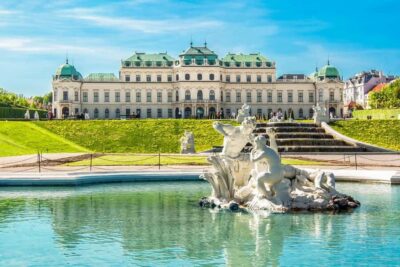
Vienna Belvedere Palace Skip-the-line Tour & Official Guide
Read our review →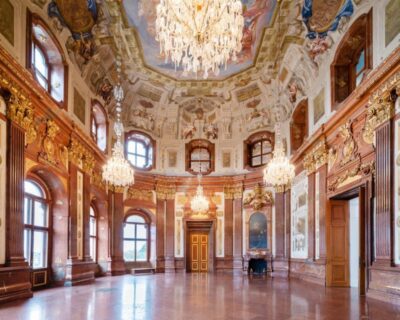
Vienna 3, 4 or 5-Attraction Pass: Schönbrunn, Belvedere, Bus
Read our review →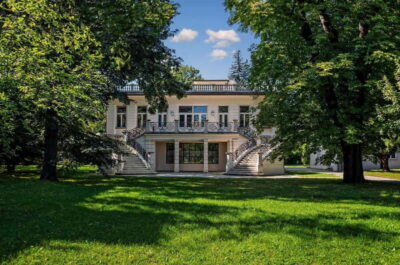
Klimt Villa (Gustav Klimt Atelier & Museum) Ticket
Read our review →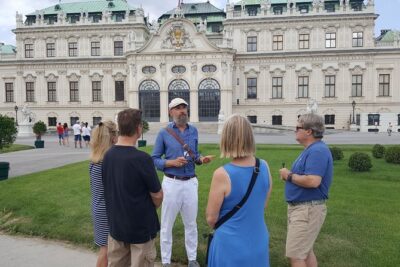
Skip-the-line Upper Belvedere Tickets and Guided Tour Vienna
Read our review →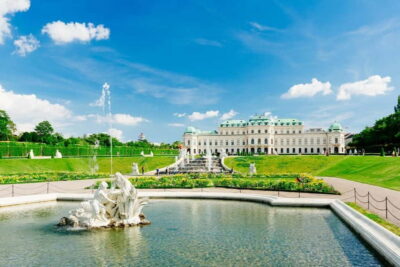
Belvedere Palace & Garden Skip-the-Line Guided Tour
Read our review →Browse the lists this tour appears in