Reviewed · GUIDED
Vienna – the making of a Weltstadt – guided Citytour
Vienna can feel big, polished, and a bit intimidating at first. This guided city tour is interesting because it gives you a clear way to understand the city as it grew, not just a checklist of sights. I especially like how Christian Grausam links major eras to what you can see in front of you, and I like the tour’s focus on Vienna’s Hofburg power and St. Stephen’s Cathedral as emotional landmarks. One consideration: it is a walking tour with no large-bag allowance, so plan light and be ready to keep moving for two hours.
The payoff is that after the walk, Vienna makes more sense. You come away with a mental map of how the city turned from Roman outpost to a 19th-century Central European metropolis, and how art and music fit into that story. Main drawback to note upfront: it is not suitable for people with mobility impairments.
Key highlights you should know first
- A real, local guide who connects the why, not just the what
- Hofburg and Heldenplatz explained as the machinery of a residential imperial city
- St. Stephen’s Cathedral framed as the geographical and emotional center
- Two millennia in one route, from early Roman story to 19th-century Vienna
- Art and music stops that put Mozart and Beethoven into the street-level map
- Practical extras, including tips for what to do next after your walk
A 2-hour timeline walk through Vienna, from Roman outpost to Weltstadt
At 2 hours, this is not a slow “sit and admire” experience. It is a guided, story-led stroll that tries to do something useful fast: help you understand Vienna after you have seen it. The route moves through the idea of two millennia, starting with the story of a small Roman fort, then stepping forward through medieval echoes, imperial rule, and the 19th-century metropole Vienna became.
That time pressure is exactly why the format works. You will hit the high points in the city center, but the guide keeps them in sequence so you can connect architecture to power, religion, and culture. If you like city walks where the guide makes the buildings matter, this fits your style.
The best part is the tour’s central theme: Vienna as a city you live in, rule from, perform from, and remember from. It is not just “look at this landmark.” It is “this is why it exists where it does, and why people cared.”
More days in Vienna:
- Vienna: Vivaldi’s Four Seasons Concert in Karlskirche
★ 4.7 · 14,951 reviews - Vienna: Spanish Riding School Training
★ 3.9 · 9,281 reviews - Vienna: Skip-the-cashier-desk-line Giant Ferris Wheel Ride
★ 4.5 · 7,859 reviews
Schottenkirche and Freyung: where Vienna’s medieval feel starts to click
You begin in the city center area around Schottenkirche and Freyung (with stops that may include Am Hof depending on the booked option). This is where Vienna starts to feel human. The streets and squares are compact enough that you can follow the guide’s narrative without constantly hunting for the next landmark.
Why this opening matters: you need a baseline. Vienna’s later imperial grandeur is easier to appreciate once you understand what came earlier. Here, the guide sets up the question of whether there are still memories of the Middle Ages. That question is the right one, because Vienna often works like layers of stone and design choices that survived political changes.
You also get a sense of the city’s role as a stage. Religious buildings and civic spaces were never just backdrops. They shaped daily movement, community identity, and how people understood authority. Even if you only remember a few details from the first half, you will start building that internal map that helps everything later feel connected.
If you are the kind of traveler who likes history but finds big tours overwhelming, the early structure is a win. It keeps you grounded before the story turns toward imperial power.
Am Hof to Kohlmarkt: reading the city like a map of power
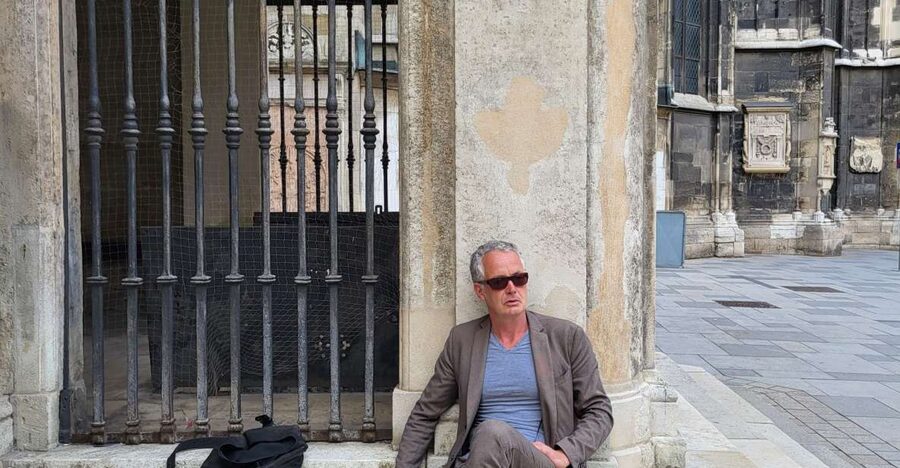
As the walk continues, the route heads toward Am Hof and then toward Kohlmarkt and Michaelerplatz. This stretch is useful because it shifts your attention from “pretty buildings” to city logic. Vienna’s center was designed to channel movement, attention, and status, and these streets reflect that.
Kohlmarkt in particular is the kind of name you will keep hearing once you start exploring further on your own. But on this tour, it is not only about the shopping streets vibe. The guide uses the setting to connect era to architecture and to explain how Vienna functioned as a political and social hub.
Michaelerplatz helps you zoom out again. It is a place where the city’s central layout starts to feel intentional. This is where you begin to notice the relationship between squares, major institutions, and the routes that funnel people through them.
The practical upside: by the time you reach the Hofburg area, you will not feel like you are jumping randomly from one site to another. You will have a route pattern in your head, and the guide can move faster because you already follow the logic.
Hofburg and Heldenplatz: understanding Vienna as a residential imperial city
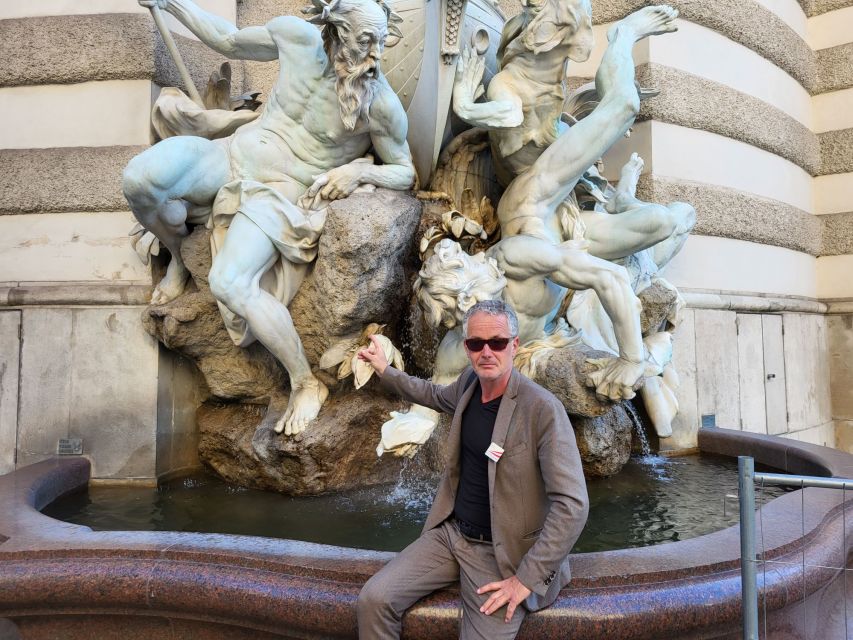
This is one of the tour’s biggest reasons to book. The Vienna Hofburg is explained in a way that focuses on meaning, not just scale. You will get a solid grasp of why Vienna became so important as a residential city, not only as a place where rulers visited.
The Hofburg is essentially a physical argument. It shows how power lived day to day. That is an important shift in how you see the building. Instead of thinking of the empire as something distant and ceremonial, the guide frames it as something embedded in housing, administration, and life.
Heldenplatz then adds the visual reinforcement. This part of the walk helps you connect public space to political storytelling. You also get cultural anchors tied to specific historical figures, including rulers stretching from Charles V to Franz Josef and his Elisabeth. Even if you do not know all the names today, the guide’s job is to make them feel placed in a coherent timeline.
Then comes Burggarten and Josefsplatz. These stops help you transition from the hard image of rule into the softer city reality of gardens, public space, and everyday presence. That contrast makes the imperial sites feel less abstract.
If you want Vienna to make sense beyond postcards, this is the section that delivers.
Other Vienna bookings to compare
- Vienna Spanish Riding School Guided Tour
★ 4.7 · 6,765 reviews - Vienna: Guided Walking Tour of City Center Highlights
★ 4.7 · 4,989 reviews - Vienna: Vienna Central Cemetery Guided Walking Tour
★ 4.8 · 3,307 reviews - Vienna: Bus & Schönbrunn Palace Skip-the-Line Guided Tour
★ 4.3 · 2,802 reviews
Albertina and the art-and-music street map for Mozart and Beethoven
A good city tour tells you about buildings. A great one adds why the city shaped culture. This tour does that by bringing art and music into the walking story.
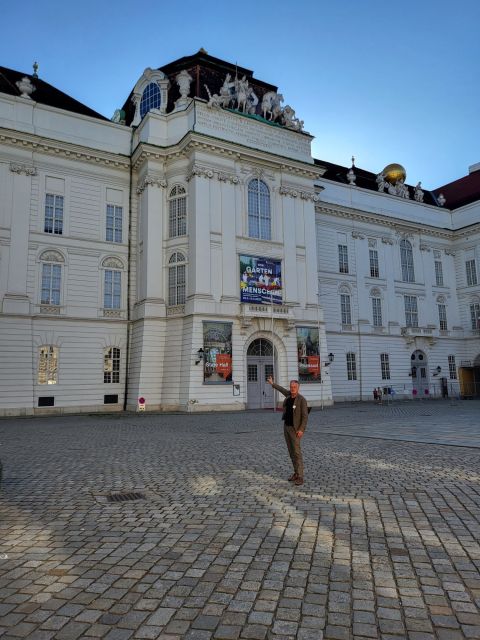
You pass by Josefsplatz and then reach the Albertina area. On this stop, the emphasis is on Vienna as a center of art and music, not an afterthought. Mozart and Beethoven lived and worked here, and the guide ties those facts to where you are standing and what kind of city Vienna was built to support.
There is also a detail about Josef Haydn composing a melody that is important for Germany today. It is the kind of fact that sticks because it bridges international recognition with a local origin story. Even if your musical knowledge is basic, the guide’s framing helps it feel connected to the city’s identity instead of like trivia.
Albertina works as a good pivot point. By this stage you have seen imperial authority. Now you shift to cultural authority. That shift is what makes the tour more than a list of impressive stops. It shows you how Vienna influenced thought, taste, and performance.
If you are the type who likes to match what you hear in museums and concerts with the geography outside, this section is especially satisfying.
Capuchin Crypt and Franziskanerplatz: rulers, memory, and emotion
After the art and music section, the walk turns toward remembrance. You head to the Capuchin Crypt area via stops including Albertina and then toward Franziskanerplatz. The Capuchin Crypt is the kind of site that changes your tone. It feels like history with gravity.
This is where the guide’s focus on rulers really helps. Franz Josef and Elisabeth come up again in the context of what Vienna chose to honor and how it remembered. The guide uses the space to explain why these places matter emotionally, not only historically.
From Franziskanerplatz the route moves toward Domgasse. That sequence matters because Domgasse is not just a corridor to the next stop. It is part of how the city funnels you toward its center. Walking it with the guide’s story makes the approach feel intentional.
One small consideration: if you prefer light and cheerful sightseeing only, the tone of the Capuchin Crypt can feel heavy. For most people, that is exactly the point. It gives Vienna contrast, and it makes St. Stephen’s Cathedral feel even more meaningful when you finally reach it.
St. Stephen’s Cathedral: the geographical and emotional center
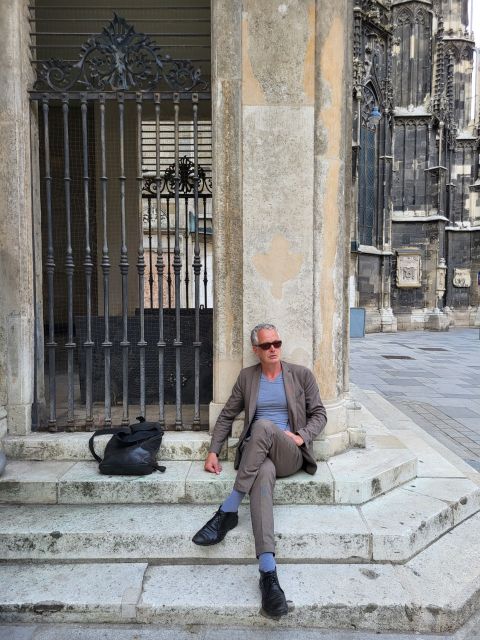
The final big target is St. Stephen’s Cathedral, approached via Domgasse. Calling it the geographical and emotional center is not just marketing. Standing nearby, you feel why it would become a focal point for belief, community identity, and city pride.
This is where the tour’s title idea, making of a Weltstadt, becomes clear. Vienna did not grow randomly. It grew around central anchors that people could rally around, whether for religion, civic identity, or political legitimacy.
The guide also uses the cathedral to tie back earlier themes. The question of medieval memories, the rise of imperial Vienna, and the later cultural spotlight all connect back here. You start to see the city as one continuous storyline with shifting chapters.
If you have limited time in Vienna, this stop alone can justify the walk. Not because it is the only important sight, but because it helps you understand why so many other landmarks exist in relation to it.
Price and pacing: why $35 feels fair for a guided city overview
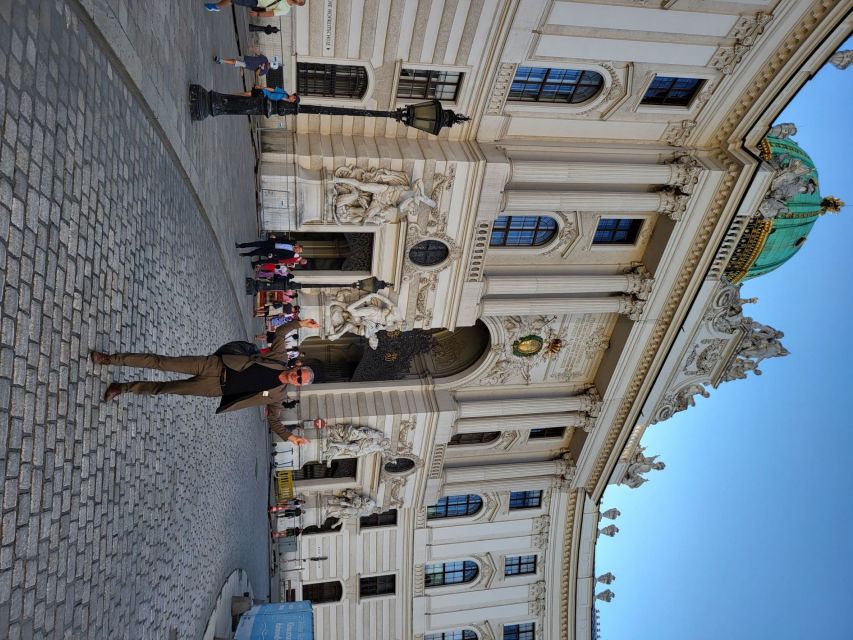
At $35 per person for a 2-hour tour, you are buying time, direction, and context. You could wander the center on your own, of course. But without a guide like Christian Grausam, you would likely remember the look of places while missing the logic behind them.
What makes the price feel fair is the blend of coverage and explanation. You get the major center sights, but you also get the connections between eras, architecture, and cultural power. That is the part that usually takes longer when you self-explore.
The group format also matters. You are not on your own bouncing between stops. The guide keeps the sequence tight enough to maintain momentum, so the story lands instead of turning into random facts.
One more practical point: this tour runs rain or shine. That is not always fun, but it is useful. Vienna weather can be unpredictable, and you do not have to gamble on good conditions to get your money’s worth.
Practical tips so the walk works for you
This tour is designed for an easy-to-follow walking pace, but it still has real constraints.
Plan to arrive 10 minutes early at the meeting point, which may vary depending on the option booked. Also note the rule about not bringing luggage or large bags. Keep it simple: a small day bag is your friend.
Since the tour is live and in German, come prepared with whatever level of German you have. If you only know a few phrases, you might still follow a lot, but the cleanest experience comes when you can catch the guide’s explanations.
Finally, it is not suitable for people with mobility impairments. If stairs or uneven ground would be a problem for you, look for another format. The best tour in the world does not help if you cannot comfortably do the walk.
Should you book Vienna – the making of a Weltstadt guided Citytour?
If you want a fast, coherent way to see Vienna’s center and understand how it evolved, I think this tour is a strong choice. It is especially worth booking if you care about the “why” behind landmarks, and if you like a guide who links history to buildings in a way that actually holds attention. The most praised element of this experience is the guide’s ability to connect periods and sights, and you can feel that structure from start to finish.
Book it if:
- You have only a short time and want a clear map of what matters
- You like architecture with context, not architecture alone
- You want a guided connection between imperial power, music, and the city’s emotional anchors
Skip it if:
- You cannot do a walking tour for 2 hours
- You need a fully flexible, low-effort sightseeing style
- German explanations are a deal breaker for you
FAQ
How long is the Vienna guided city tour?
The tour lasts 2 hours.
How much does it cost?
It is $35 per person.
What language is the live guided tour in?
The live tour guide speaks German.
What should I expect in terms of walking and weather?
The tour happens rain or shine, and it is a walking experience through the city center.
Is luggage or large bags allowed?
No, luggage or large bags are not allowed.
Is the tour suitable for people with mobility impairments?
No, it is not suitable for people with mobility impairments.
Latest Vienna reviews
- Vienna Food Tour: Dishes, Wine, Street Food & Culture★ 4.7 · 12 reviews
- Vienna: mumok Museum of Modern Art Entry Ticket★ 3.8 · 13 reviews
- eBike Vienna 90min guided tour – use ebike for the whole day★ 4.0 · 13 reviews
- A box for a romantic walk in the city center of Vienna★ 5.0 · 13 reviews
- Vienna: Austrian Wine Tasting★ 4.8 · 13 reviews
- Bratislava Private Tour from Vienna★ 4.5 · 13 reviews
- Small Group Half Day Tour from Vienna to Bratislava★ 4.0 · 14 reviews
- Private One Day Trip to Bratislava from Vienna★ 4.5 · 13 reviews
Guided, compared.
Guided Walking Tour of City Center Highlights
Read our review →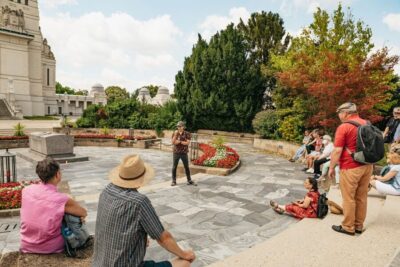
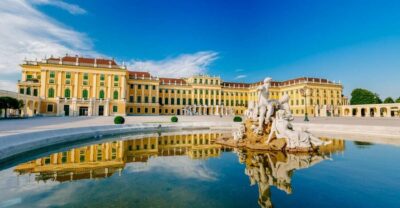
Bus & Schönbrunn Palace Skip-the-Line Guided Tour
Read our review →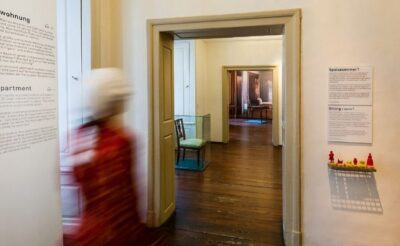
Tickets for Mozarthaus Vienna with Audio Guide
Read our review →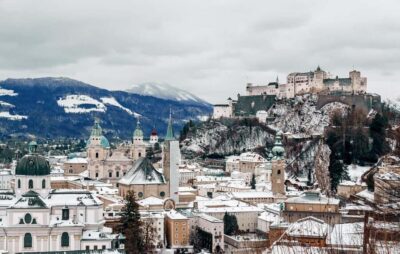
Day trips from Vienna: Hallstatt & Salzburg Guided Tour
Read our review →
Guided Walking Tour of City Highlights & Hidden Gems
Read our review →