Reviewed · TICKETS
Vienna: Tickets to Haus der Musik
Haus der Musik is interesting because it takes Vienna’s music culture and turns it into something you can touch. It sits in a former Palais, linked to Otto Nicolai and the founding era of the Vienna Philharmonic, then spreads that story across four floors of interactive exhibits.
I like how it connects composers and performance with everyday physics. You can test yourself as a conductor, listen to the Vienna Philharmonic’s New Year’s Concert in HD quality, and also do music-making activities that feel more like a game than a lecture. One drawback to plan for: it’s not a quiet, sit-and-read museum. If you want nonstop classical concerts or a small, calm space, the hands-on stations and families around you may feel like a lot.
Key things to know before you go
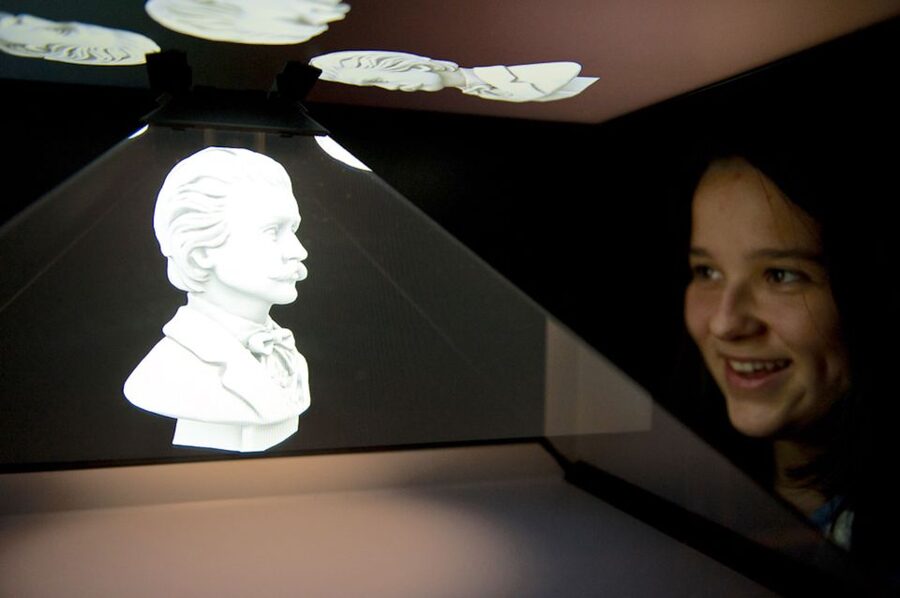
- A museum built around music and sound science so you get both the story and the why behind what you hear
- Vienna Philharmonic roots in the building thanks to Otto Nicolai’s connection to the site
- Four floors with different themes that work for both music fans and non-music fans
- Hands-on challenges including virtual conducting and composing activities
- Mozart fun through the Namadeus Game where you can hear your name as music
Why Haus der Musik feels different from a typical museum
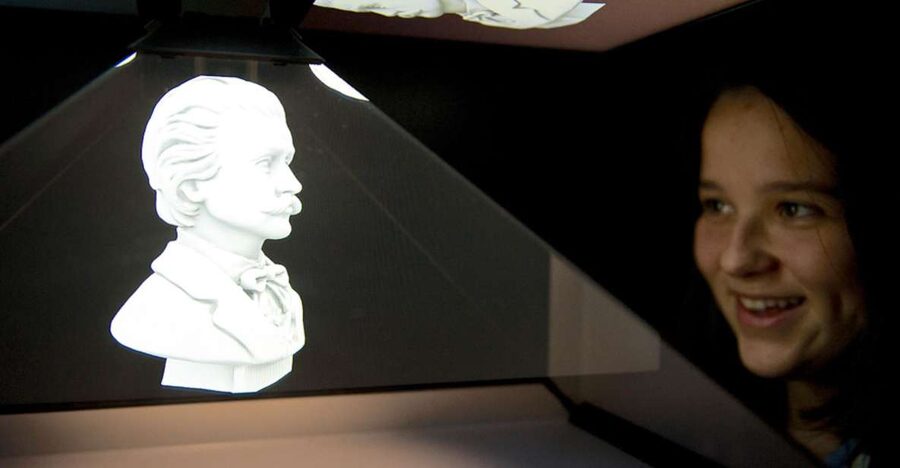
Most music museums tell you what to listen for. Haus der Musik tries something bolder: it makes the listening physical. You move through rooms where sound is treated like a material, not a mystery. That means you can learn while you’re playing, pressing buttons, and testing how instruments and voices behave.
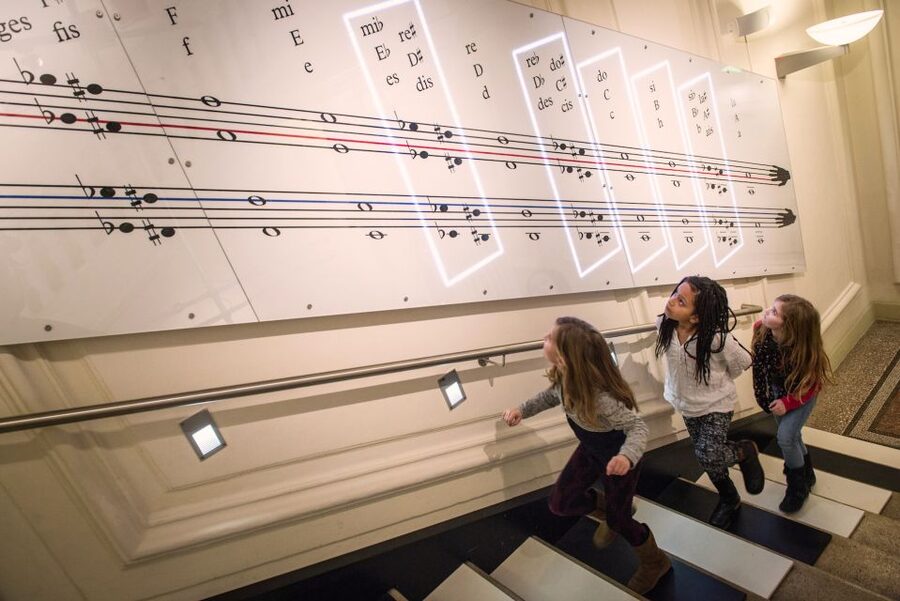
The biggest win is that you don’t need a background in classical music to enjoy it. The permanent presentation brings in Haydn, Mozart, Beethoven, Schubert, Strauss, Mahler, and Schönberg with a modern format, using historic documents, models, costumes, and personal items. At the same time, the sound stations help you understand hearing and sound mechanics through interactive displays and instruments.
Still, keep expectations realistic. This is a modern interactive museum, so expect motion, noise, and hands-on learning. It is great fun, but it is not a hushed, slow museum day.
More days in Vienna:
- Vienna: Vivaldi’s Four Seasons Concert in Karlskirche
★ 4.7 · 14,951 reviews - Vienna: Spanish Riding School Training
★ 3.9 · 9,281 reviews - Vienna: Skip-the-cashier-desk-line Giant Ferris Wheel Ride
★ 4.5 · 7,859 reviews
Museum layout: four floors that split the experience into clear themes
Haus der Musik is organized across four floors, and the layout matters because each level has a different “mode.” Think of it like four mini-museums under one roof:
- A history-forward music wing that leans on the Vienna Philharmonic story and historic context
- A composer-focused section for the big names of the Wiener Klassik and beyond
- A performance area where you can take the conductor seat and face a virtual version of the Vienna Philharmonic experience
- A sound and hearing section with interactive stations, instruments, and experiments
You can move through at your own pace, but the best results come from doing a mix. Spend time in the composer sections long enough to recognize names and eras, then jump to the hands-on sound exhibits so the concepts lock in through experience rather than reading.
Plan for a half-day or more. Some people treat it like a quick stop; others get lost in trying every interactive station. If you love hands-on exhibits, I’d budget extra time so you don’t feel rushed.
The Vienna Philharmonic story, tied to Otto Nicolai and a former Palais
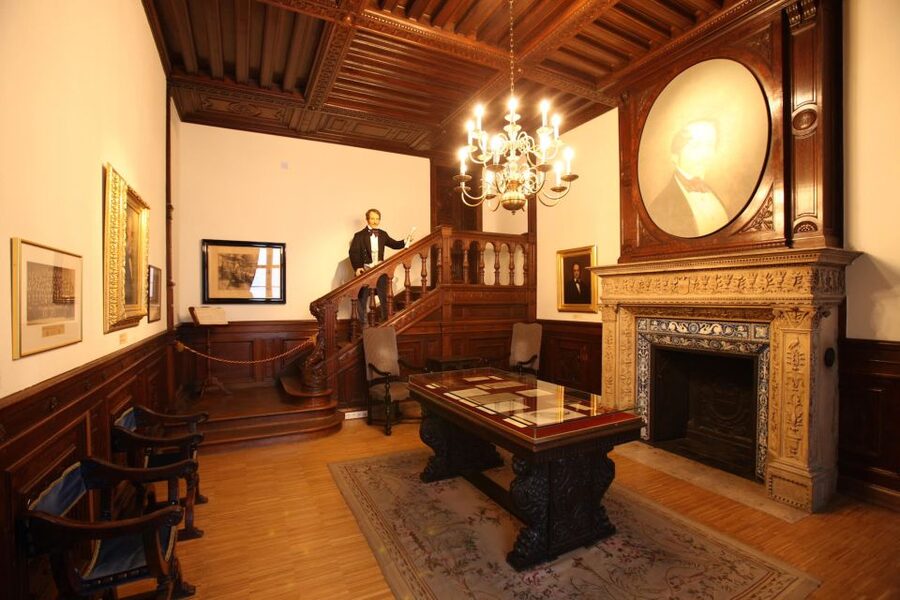
One of the most compelling parts is where it all happens. Haus der Musik is located in the former Palais of Archduke Charles, and that setting connects to a key origin story: Otto Nicolai, the founder of the Vienna Philharmonic Orchestra, established the orchestra in 1842.
Inside, you can see precious documents and mementos connected to the orchestra’s history. This is where the museum stops feeling like generic music entertainment and starts feeling tied to a real institution with a real timeline. If you’ve ever wondered how a city becomes a music capital, this is the kind of place that gives you the missing piece.
For practical planning, this portion is a good anchor if someone in your group is more into history than games. You still get interactive elements elsewhere, but the Philharmonic material gives the day structure.
Composer walkthrough: Haydn to Schönberg through documents, models, and personal items
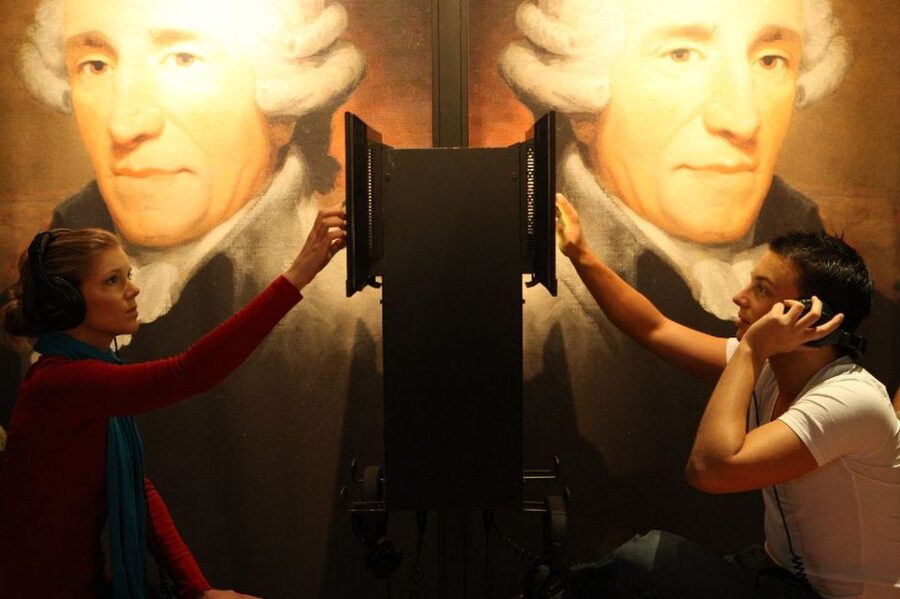
The composer experience is built around the giants of Vienna’s musical world. You’ll see Haydn, Mozart, Beethoven, Schubert, Strauss, Mahler, and Schönberg introduced through a contemporary lens, but supported with physical artifacts.
This is the part that helps you connect the famous names to the people and eras behind them. Historic documents, models, costumes, and personal items turn what can feel like textbook labels into something more human. You also encounter the composers in a staged, modern environment, so it is not only a timeline, it is a set of scenes.
There’s also room for temporary exhibitions in the inner courtyard. Those change focus, including themes tied to Viennese Modernism or specific musicians. If your visit lines up with a relevant temporary show, it can add variety beyond the permanent route.
A small caution: with so many big names, it’s easy to skim. If you want the payoff, pause at a few composers and actually spend a few minutes with the details rather than rushing to the next station.
Other Vienna bookings to compare
- Vienna: Classic Ensemble Vienna in St. Peter’s Church Ticket
★ 4.7 · 4,819 reviews - Vienna Kunsthistorisches Museum Day Admission Ticket
★ 4.6 · 3,690 reviews - Vienna: Tickets for Mozarthaus Vienna with Audio Guide
★ 4.2 · 2,344 reviews - Vienna: Skip-the-Line Entrance Ticket to the Danube Tower
★ 4.5 · 2,303 reviews
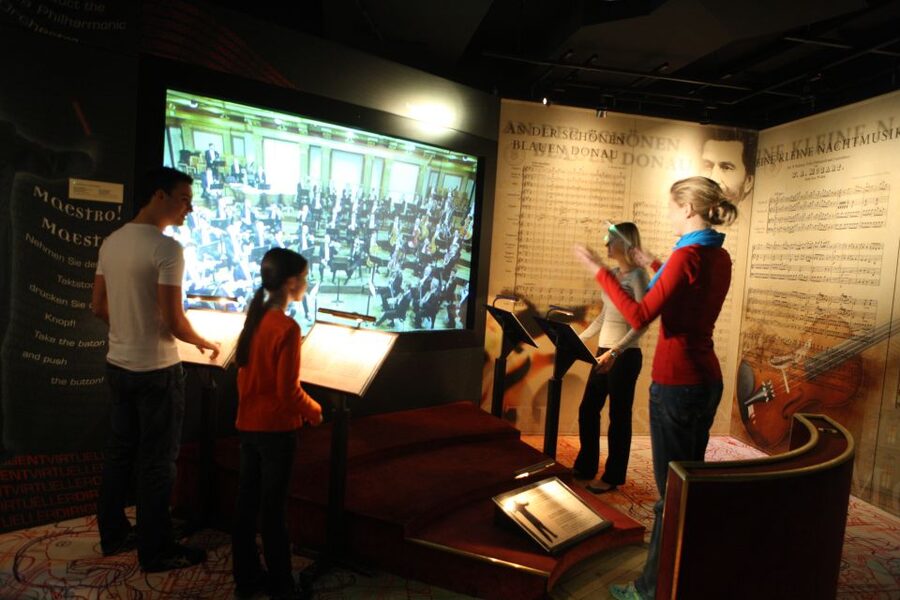
Conductor challenges and the Vienna Philharmonic New Year’s Concert in HD
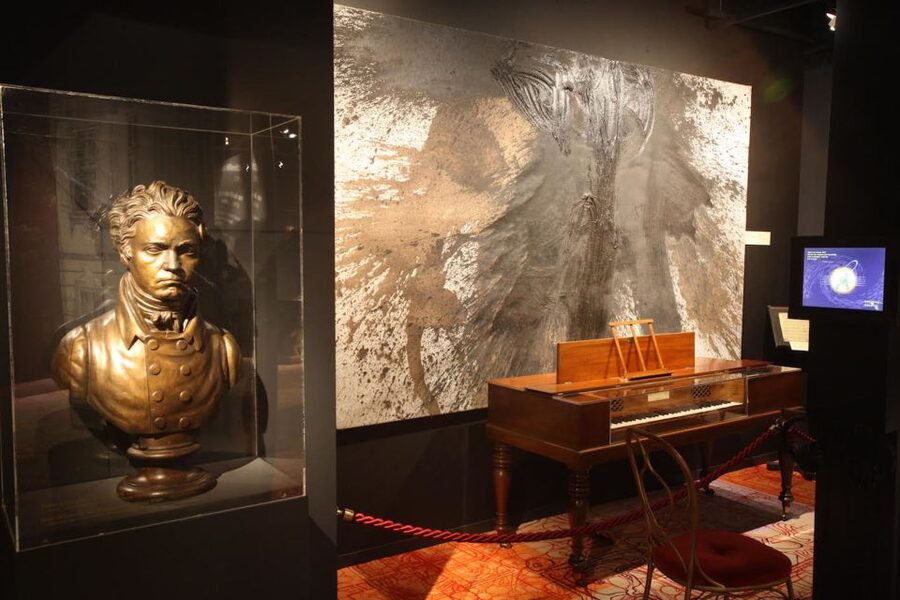
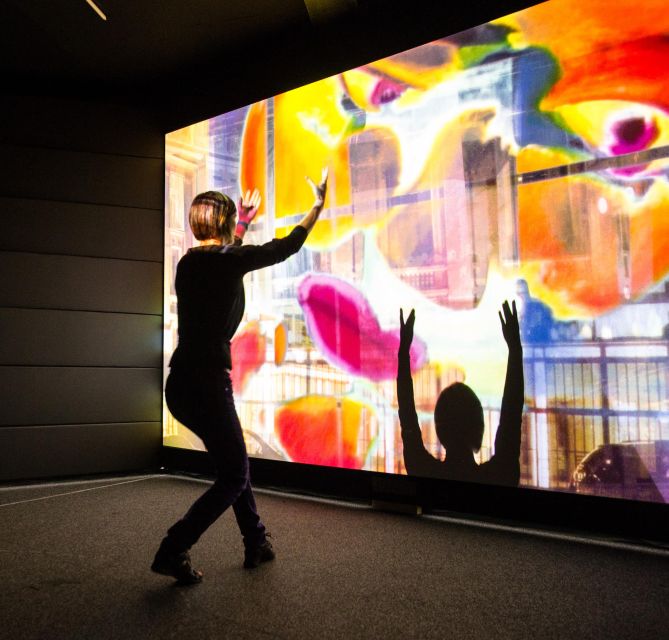
This museum is loaded with do-it-yourself moments, and the virtual conducting setup is a highlight. You can test your talent as a conductor and face a world-famous orchestra in a way that feels like performance practice, not just viewing.
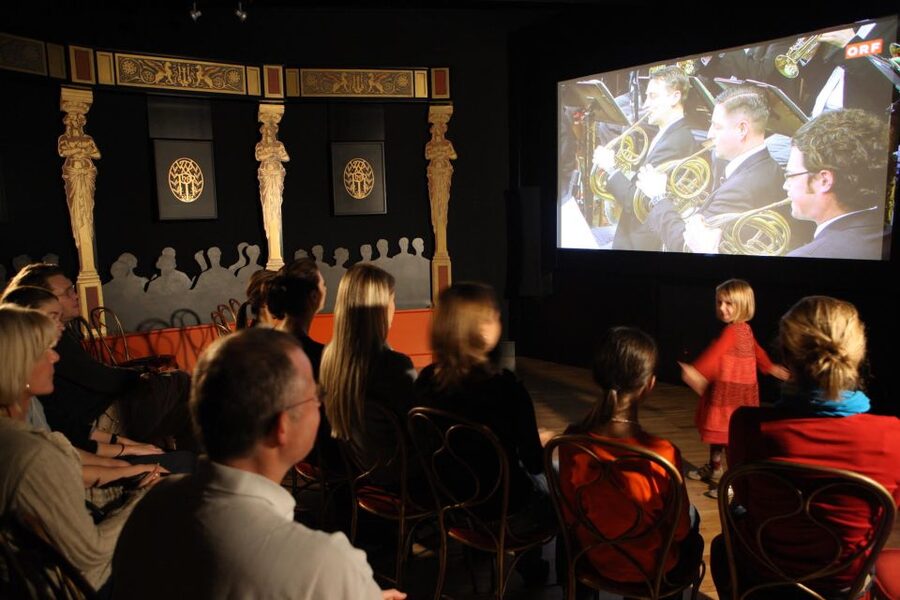
The New Year’s element is also a treat for fans: you can listen to the Vienna Philharmonic’s New Year’s Concert in HD quality. Even if you are not a concert person, HD audio and video typically make it easier to follow what is happening and what the musicians are doing.
What I like about these performance-based stations is that they help you learn by imitation. You watch, you react, you try again. You start noticing how tempo and cues change the sound, even if you do not know the technical music theory.
If you’re visiting with kids, this is usually where their attention locks in. For adults, it’s a nice break from reading-based exhibits, and it gives a quick emotional payoff. The only downside is that the stations can get popular, so allow time for a turn.
Sound science stations: interactive displays, instruments, and a clearer sense of hearing
One floor is dedicated to the science of sound, and it’s practical in a way that sticks. Instead of treating sound as magic, it lets you run experiments with noises, instruments, and interactive displays.
This is where the museum becomes valuable even if you only casually like classical music. Sound science helps you understand things like pitch, tone, and how instruments produce the sounds you recognize. The point is not to turn you into a physicist. It’s to give you a working model for what your ears are doing.
If you bring kids, this section is often the best compromise. They get hands-on play, and you get learning that actually explains why things happen.
One planning tip: if you’re sensitive to loud audio, pace yourself. Interactive sound stations can overlap in intensity, especially when families move through in groups.
Namadeus Game: hearing your name in Mozart-style music
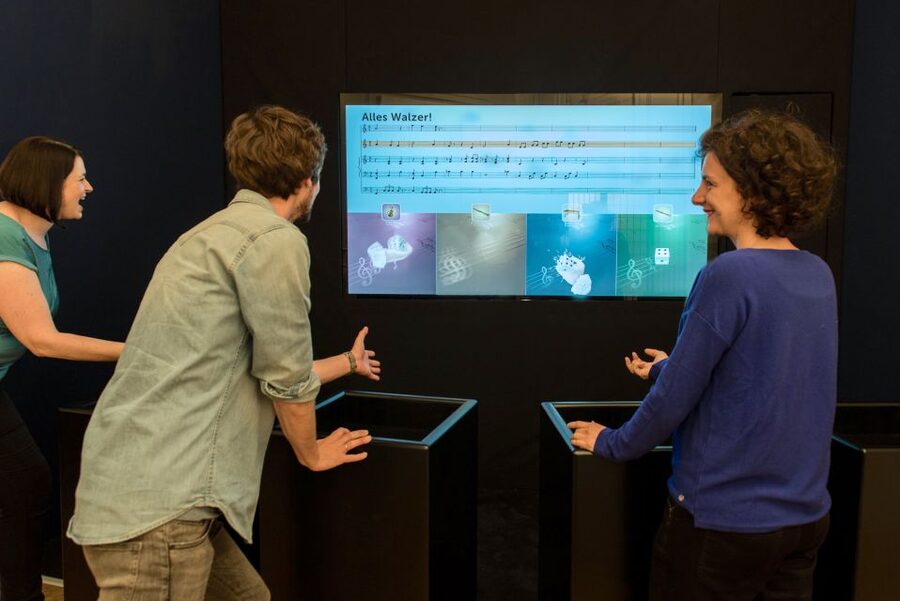
A standout interactive feature is the Namadeus Game, where you can hear your name as an original Mozart composition. It’s the kind of activity that sounds gimmicky until you experience it, then it turns into a memorable souvenir in your head rather than just a photo op.
Just know this detail: the Namadeus certificate is not included. If getting that printed proof matters to you, plan for it as an extra.
For me, the best part of this station is that it bridges the gap between museum learning and personal connection. It makes the Mozart material feel less distant. You’re not only reading about genius, you’re actively participating in a Mozart-style moment.
Cost and value: what $22 buys you in the real world
At about $22 per person, this can be strong value, especially in Vienna where many attractions charge more for less hands-on time. What you’re paying for is not just entry. Admission includes:
- The museum visit itself
- A downloadable smartphone app guide in 8 languages, plus a children’s app in 2 languages
- A map of the museum
- Coat check
That added stuff matters more than it sounds. A map helps you navigate a four-floor building without wasting time. The app guides help you choose what to spend time on. If you’re traveling with kids, the children’s app reduces the “are we done yet?” problem because it’s designed for how kids process information.
What’s not included is also clear: Namadeus certificate, transfers, and food and drinks. So if you plan to snack inside, you’ll need to buy that separately.
My value takeaway: if your group includes even one person who likes hands-on activities, $22 feels fair. If everyone in your group wants quiet, guided listening, you might feel you paid for something that is more playful than scholarly.
Smart visit tips that make the day smoother
Haus der Musik is easiest when you come prepared. Here are a few practical moves I’d make:
- Bring headphones. The museum specifically lists them as something to bring.
- Use the smartphone app guide to help you pace. With four floors, you want a strategy so you don’t miss what you care about.
- Use the coat check if you have a jacket or bag. It’s included, and Vienna weather can change fast.
- Grab the free floor plans at the ticket office in the same languages as the app if you want a quick orientation.
Timing wise, plan for a few hours minimum. If you want to actually try the conducting and sound stations, and spend time with the composer sections, you’ll likely go beyond a quick pass.
Also, if you’re in a wheelchair, or using mobility aids, the museum is designed with step-free access: automatic sliding doors, wheelchair-accessible elevators, and accessible routes at main and side entrances. You’ll also find wheelchair-accessible toilets in the inner courtyard and on the top floor.
Who should book tickets to Haus der Musik
I’d book this if you fit one of these groups:
- You love classical music, but you also like learning through doing
- You have kids who need hands-on activities to stay engaged
- You are curious about sound and hearing, even if you are not a music die-hard
- You want a Vienna stop that feels modern and interactive rather than only historical
If your group prefers formal concerts or quiet museums, you might still enjoy it, but go in with that expectation. This place rewards participation, not just observation.
Should I book Haus der Musik tickets?
Yes, I’d book tickets if you want a central Vienna activity that mixes history, famous names, and real interaction with sound. At $22, with admission plus multilingual app guidance and coat check, it’s a practical choice for families and mixed groups.
If you have limited time in Vienna, treat it as a “do this well” stop. Focus on one composer area, one performance-related station, and the sound science floor. That way you leave with a clear sense of what Vienna music culture and sound mechanics feel like together.
FAQ
Where is Haus der Musik located?
Haus der Musik is at Seilerstätte 30, 1010 Vienna.
How much do tickets cost?
The price is listed as $22 per person.
What’s included with admission?
Admission includes entry to the museum, a downloadable smartphone app guide in 8 languages (plus a children’s app in 2 languages), a museum map, and coat check.
Do I need to bring anything?
Yes, you should bring headphones.
How long should I plan for this experience?
It’s listed as valid for 1 day, starting from first activation. The museum is multi-floor and interactive, so you may want a good chunk of the day depending on how many hands-on exhibits you try.
Is the museum wheelchair accessible?
Yes. It has step-free access at the main and side entrances, automatic sliding doors, and wheelchair-accessible elevators. Wheelchair-accessible toilet facilities are located in the inner courtyard and on the top floor.
Is there free admission for children or accessibility companions?
Children under age 3 have free admission. There is also free admission for persons accompanying visitors with visual impairment or in a wheelchair, and guide dogs are permitted.
Latest Vienna reviews
- Vienna Food Tour: Dishes, Wine, Street Food & Culture★ 4.7 · 12 reviews
- A box for a romantic walk in the city center of Vienna★ 5.0 · 13 reviews
- Vienna: mumok Museum of Modern Art Entry Ticket★ 3.8 · 13 reviews
- eBike Vienna 90min guided tour – use ebike for the whole day★ 4.0 · 13 reviews
- Bratislava Private Tour from Vienna★ 4.5 · 13 reviews
- Vienna: Austrian Wine Tasting★ 4.8 · 13 reviews
- Private One Day Trip to Bratislava from Vienna★ 4.5 · 13 reviews
- Best of Vienna Tour in TUK TUK!★ 5.0 · 14 reviews
Tickets, compared.
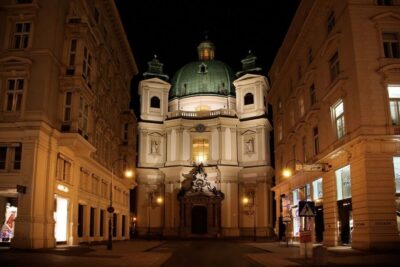
Classic Ensemble Vienna in St. Peter’s Church Ticket
Read our review →
Vienna Kunsthistorisches Museum Day Admission Ticket
Read our review →
Tickets for Mozarthaus Vienna with Audio Guide
Read our review →
Skip-the-Line Entrance Ticket to the Danube Tower
Read our review →