
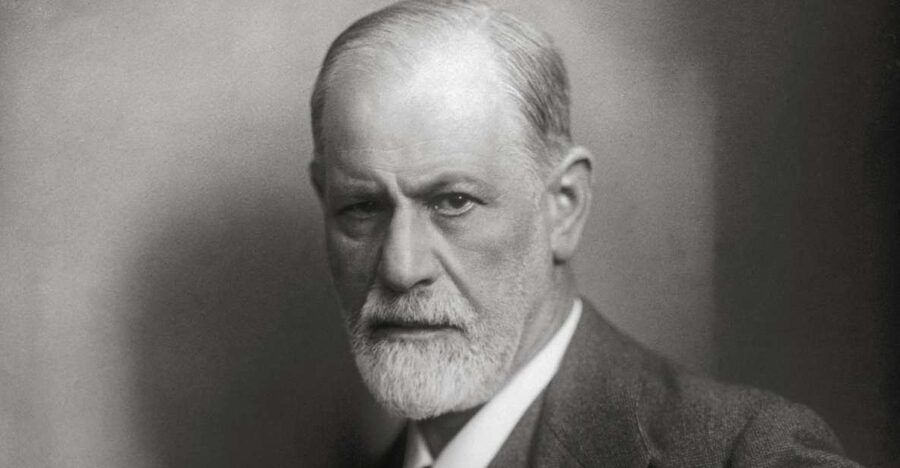
Reviewed · SIGMUND FREUD MUSEUM
Sigmund Freud Museum Ticket
Sigmund Freud’s museum works because it is not a lecture. It is an address, Berggasse 19, where you walk through rooms that were part workplace, part home, and part stage for ideas that changed modern thinking.
Two things I especially like are the private rooms you move through at a real human scale, and the way the museum brings Freud’s world to life with audio recordings and an AR experience you start right on your phone. It feels personal, not just academic.
One consideration: the experience is more emotionally heavy than many Vienna museums, and the museum can run warm inside. Give yourself time to slow down, and plan for reading in close quarters.
Key things to look for
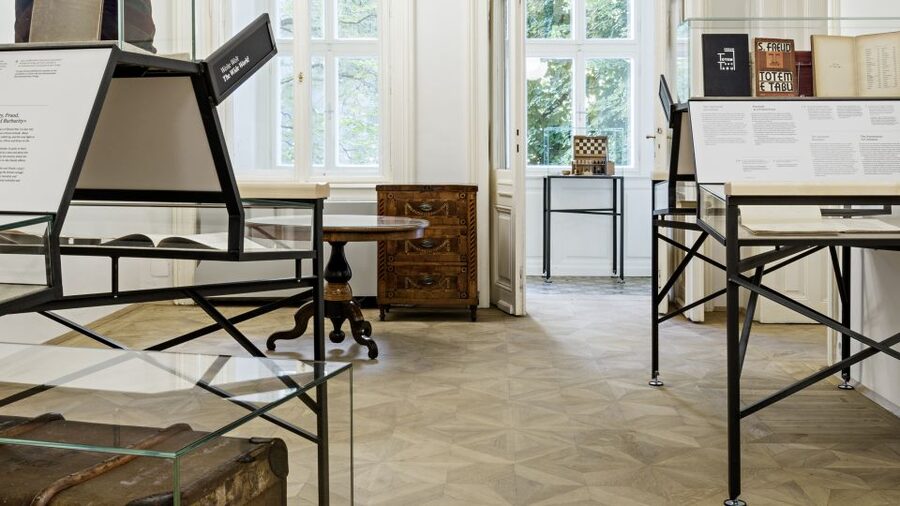
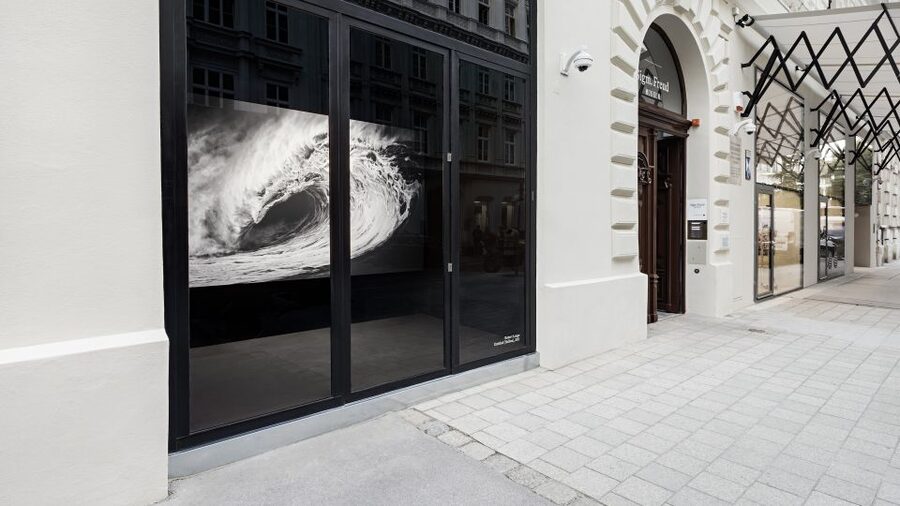
- Berggasse 19 entrance and historic steps, leading you into the same domestic-and-clinic layout Freud knew
- Freud and Anna’s voice recordings, adding a rare, human layer to the exhibits
- Freud’s Couch AR on your phone, triggered in the spot where the famous piece once sat
- Family videos from the 1930s, a strong window into everyday life and relationships
- A museum-wide staircase route that also addresses what happened after Freud’s expulsion
- Freud’s office, plus conceptual art, in the permanent exhibition Hidden Thoughts of a Visual Nature
Berggasse 19, Where Psychoanalysis Became Real Life
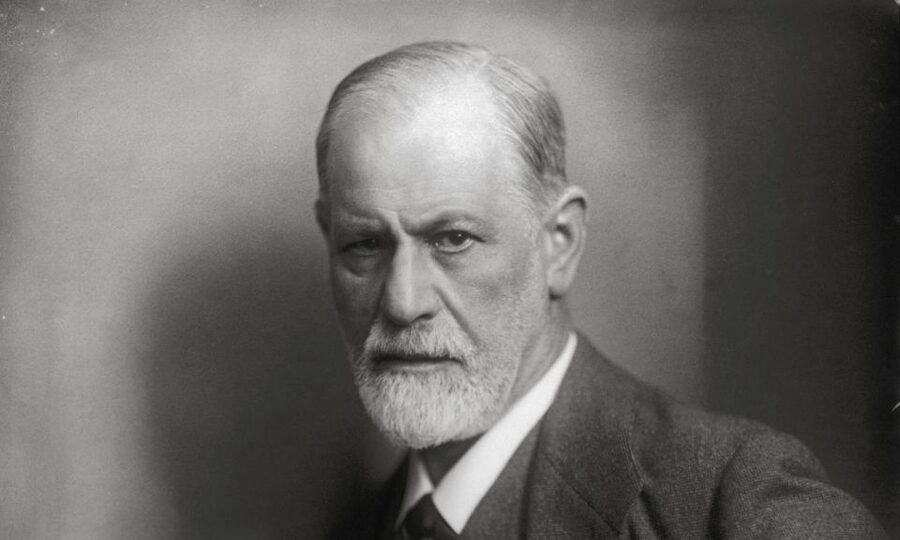
Vienna is full of grand sights. This one is different. The Sigmund Freud Museum is interesting because it lets you experience psychoanalysis as something grown in rooms, conversations, and daily routines, not only as a set of famous books.
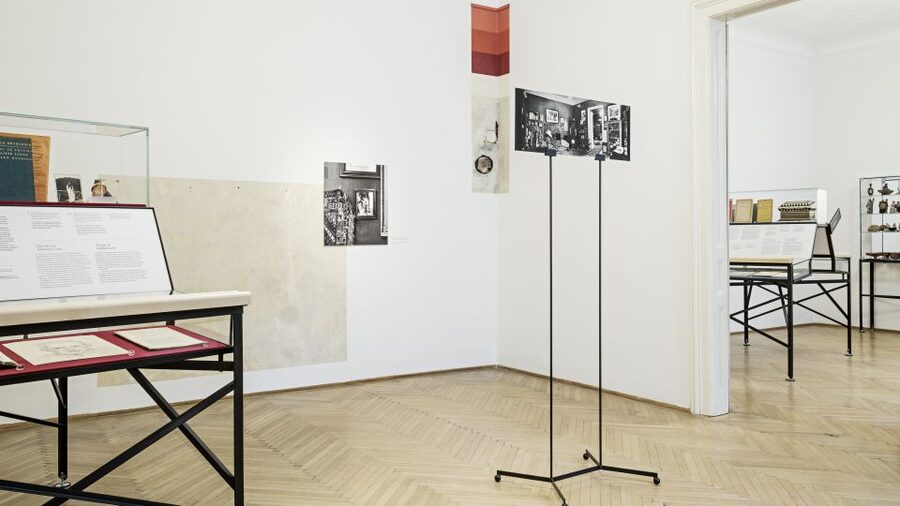
You start at Freud’s most recognizable address, then follow the flow into the house and offices. The museum is designed so you take in the story spatially. You move from public entry to the more private levels, including a mezzanine connected to where the Freud family lived. The layout matters because it turns the biography into something you can physically track, from medical practice to family life.
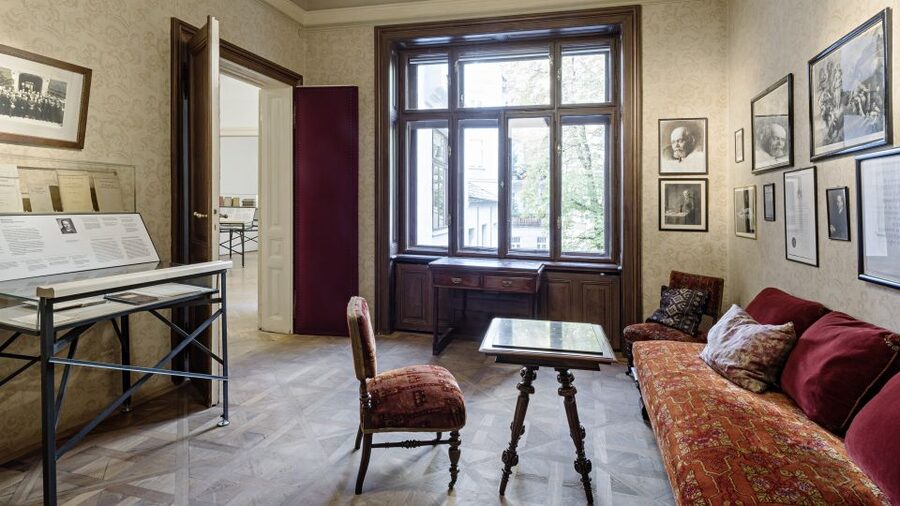
For many people, the strongest takeaway is how ordinary it feels at first. The rooms are not filmed sets. They are the kind of space where you can imagine a patient arriving, notes being written, and family members moving through the day. That is why this ticket is worth more than the price alone.
More Freud's Vienna:
- Admission to the Sigmund Freud Museum
★ 4.0 · 72 reviews - Vienna: Freud, Mozart & Beethoven Exploration Game
★ 4.0 · 14 reviews - Freud – Inside the mind of a Genius
★ 4.0 · 7 reviews
Your Walk Through Freud’s Practice Rooms and Family Life
Once you are inside, the museum keeps returning to a simple idea: Freud was both a professional and a family man. The exhibits highlight his professional stations and biographical facets through objects and documents, including print material tied to his theoretical work.
In the main areas, you will see how the museum connects Freud’s work to his life in Vienna. You will also spend time with items related to the creation of psychoanalysis, including rare printings, first editions, offprints, and presentation copies. These are not just background props. They help you understand how ideas traveled from drafts to publications and then into the world.
The private rooms are a big part of the appeal. You get to step into the same world where Freud worked for roughly half a decade and where his family lived. And yes, it is a little strange at first, because you are used to museums showing objects behind glass. Here, the room layout itself is the exhibit.
Practical note: the museum has a lot to read. Plan on slow walking and short pauses. If you rush, you will miss the connections between what you see and the themes the museum is building.
Freud and Anna’s Voices, 1930s Film, and AR Freud’s Couch
Some museums show photos. This museum adds sound and moving images, and it changes the emotional temperature fast.
You can hear recordings with the voices of Sigmund and Anna Freud. That one detail has a way of making the entire place feel less like history and more like presence. It also helps you understand that psychoanalysis was not only a system of ideas, but also a family conversation carried out in a specific time and place.
The museum also includes unique film material from the 1930s. When you watch these family videos, you are not just learning what Freud wrote. You are seeing faces, gestures, and everyday moments. It is one of the best ways to get past the textbook version of someone.
Now for the most modern feature: the AR installation called Freud’s Couch. You use your phone to start it, and the experience is triggered right in the spot where the famous couch used to be. This is smart design. It turns a historical object into a point you can locate in space, rather than a vague artifact.
Just manage expectations. The couch experience is tied to the location, not a traditional “here is the original furniture on display” moment. The result is still fun, and it gives you a reason to slow down at key spots instead of walking straight through.
If you are visiting with kids, you will appreciate the extra play elements. There are puzzle stickers hidden in rooms that lead you to Freud’s dog. That kind of scavenger approach works because it gets younger visitors looking with their eyes, not just standing in front of captions.
The Museum’s Staircase Route Through Exile and Nazi Violence
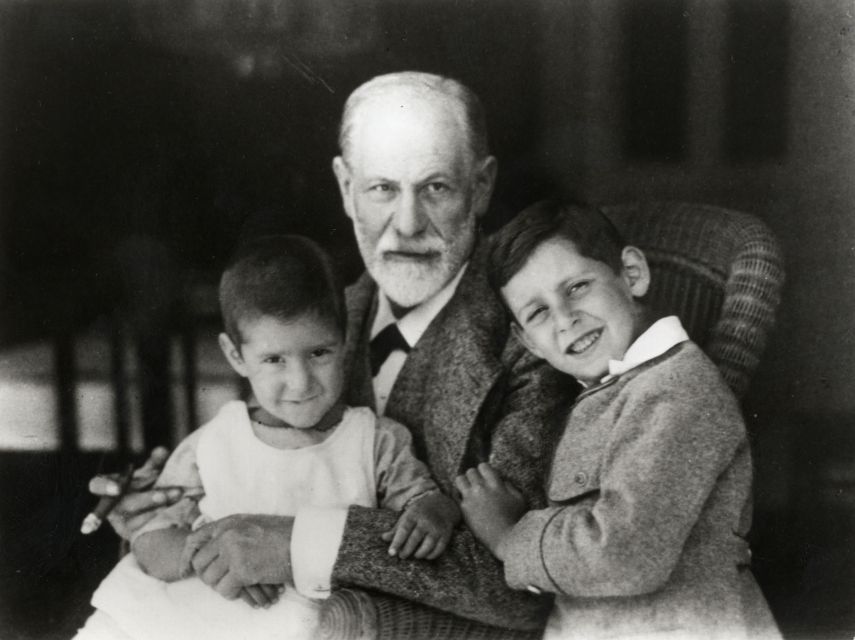
This is the part of the museum that most people remember for a long time.
The museum has a newly built staircase that connects the floors and tells the history of the house and its occupants, including the period after Freud was expelled. The exhibits do not dodge what happened at Berggasse 19 when Nazi violence intensified. You will encounter information about how Jews were collected at that address during this dark time.
There is also a separate section focused on Freud’s flight into exile in London. The museum looks at his escape with his closest family, including his brother Alexander, and then it addresses the fate of his sisters Rosa, Marie, Pauline, and Adolfine, including their murder in Nazi extermination camps.
This section is moving and, honestly, it is heavy. If you usually like quick museum loops, give yourself extra breathing space here. If you are sensitive to WWII material, plan your timing so you are not rushing from one emotional display to the next.
The practical upside is that the museum does this historically connected route in a way that feels guided. The staircase and floor connections keep you from losing the timeline, even when the subject matter is difficult.
More Museums in Vienna:
- Vienna: Skip-the-Line Sisi Museum, Hofburg and Gardens Tour
★ 4.8 · 5,918 reviews - Vienna Kunsthistorisches Museum Day Admission Ticket
★ 4.6 · 3,690 reviews - Tickets for the Albertina Exhibitions
★ 4.7 · 2,126 reviews - Vienna: Chocolate Workshop in Chocolate Museum w/ Tasting
★ 4.5 · 1,802 reviews
Freud’s Office Meets Conceptual Art at Hidden Thoughts of a Visual Nature
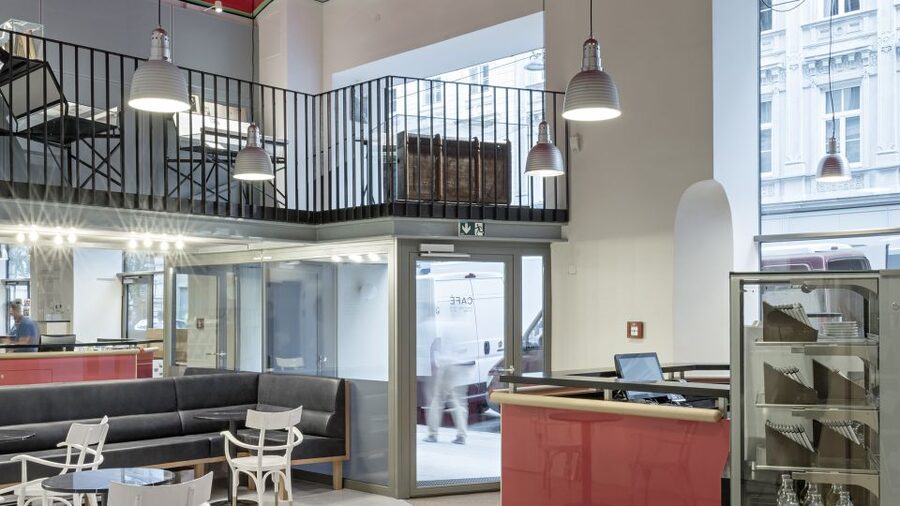
One of the reasons I like this museum is that it does not treat Freud as a museum-piece only. In Freud’s former office, you will find a permanent exhibition titled Hidden Thoughts of a Visual Nature.
This section presents selected works from the museum’s collection of conceptual art. It includes works by artists such as John Baldessari, Joseph Kosuth, Susan Hiller, Franz West, and Haim Steinbach, among others.
What this means for you in plain terms: you will walk into a room tied to treatment and interpretation, then see how contemporary art thinkers also use concepts, framing, and the act of seeing as a form of inquiry. You are not required to “get it” in an art-school way. Even if you are only casually interested, it can help you connect Freud’s ideas about mind and meaning to how other people explore perception.
If you are an art person, this is a welcome bonus. If art is not your thing, it can still make sense because it is placed in the office context, so it reads like an extension of the theme of how humans interpret experience.
Time on Site: How Long It Takes and How to Work the Layout
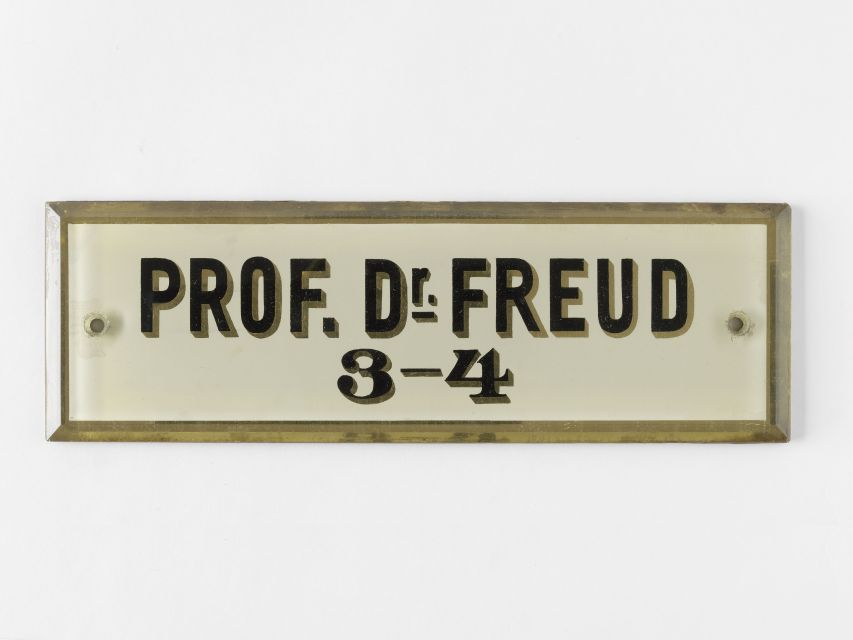
A key question is how much time to set aside for your visit. Based on what I’ve seen visitors manage, plan about 1.5 to 3 hours. If you like to read every label and replay audio, lean toward the longer end.
The museum also allows different walk paths, so you can adjust if you are more interested in family life, historical events, or the AR experience. One caveat: some layouts do not feel strictly chronological, and signage can be light in places. So if you care deeply about timeline order, slow down and check what room you are in before hopping to the next one.
Comfort tip for real life: the museum can be warm inside, especially during hot weather. Dress for warmth you can tolerate, and take breaks. Also remember that flash photography is not allowed, so you will want to rely on your own eyes, not your phone camera flash.
Small support details help too. The museum has lockers and restrooms, which makes it easier to go in with a bag and then stop worrying about what to do with it mid-visit.
When it comes to staff, I like hearing that people have felt genuine help on site. In at least one case, visitors specifically thanked Stephanie and Martin for going above and beyond. That kind of service matters when you are trying to find your pace through a museum with a lot going on.
Finishing With Coffee, Cake, and Museum Shop Finds
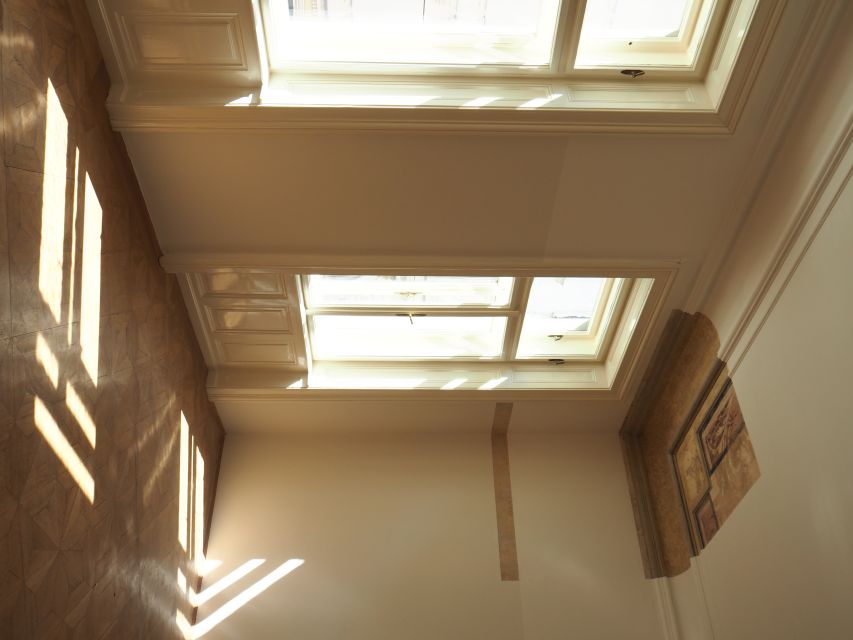
When you reach the end, you are not done. The museum shop and café are a good way to wrap things up without turning the visit into a sprint.
You can browse books and gifts, including psychology-related titles and souvenirs tied to the museum. There is also the chance to pick up a board game, and if you are traveling light, it might tempt you to make a quick decision about what to carry home.
For the café, you have choices like a Viennese coffee with cake, or you can opt for Viennese wine instead. It is a simple end point, but it is also a nice reset after the heavier parts of the museum.
Price and Value for an $18 One-Day Ticket
At about $18 per person for a 1-day museum admission, this ticket often feels like strong value. Here is why:
- You are paying for access to Freud’s actual former home and office spaces, not a replica setting
- The ticket includes audio recordings, film material, and a phone-based AR experience
- You also get a distinct historical track about exile and Nazi violence, which is not commonly packaged this close to the original address
- The museum adds another layer with the conceptual art exhibition in Freud’s office
So you are not just buying “Freud trivia.” You are paying for a multi-room experience that mixes biography, objects, media, and context.
Skip-the-line entry also helps. If you are in Vienna with a tight schedule, a smooth arrival time can matter more than you expect.
Who Should Book This Freud Museum Ticket?
This ticket is a great fit if you are one of these types of visitors:
- You like psychology, psychoanalysis, or the history of mental health, and you want to see the human origin of the ideas
- You enjoy living with questions, not just getting answers, because the museum does not reduce Freud to one neat story
- You want an art stop that is tied to place, not only to time periods
- You are visiting with kids and you want something hands-on, like the puzzle sticker activity that leads to Freud’s dog
If you want purely light entertainment, this museum may feel intense. It has moments you will not forget, especially in the exile and Nazi history areas.
Should You Book This Sigmund Freud Museum Ticket?
Yes, I think you should book this ticket if you are planning a Vienna trip around culture that feels real and specific. The museum’s strength is the combination of place-based storytelling and the mix of media, including voice recordings and AR at Freud’s Couch.
If you only have a little time and you prefer quick photo-based stops, consider setting expectations and giving yourself enough time to read. If you do that, this is one of those Vienna visits that lingers, long after you leave Berggasse 19.
FAQ
Where do I present my ticket voucher?
Present your ticket voucher at the main entrance of the Sigmund Freud Museum.
How long is the museum visit ticket valid for?
It is valid for 1 day.
How much does the ticket cost?
The price is $18 per person.
Can I take photos with a flash?
No. Flash photography is not allowed.
Is the museum wheelchair accessible?
Yes, the museum is wheelchair accessible.
Do I need my phone for the AR experience?
You use your phone to start the AR installation called Freud’s Couch.
Are there any restrictions on opening hours?
Opening hours are subject to change.
Is cancellation free?
Free cancellation is available up to 24 hours in advance for a full refund.
Latest Vienna reviews
- Vienna Food Tour: Dishes, Wine, Street Food & Culture★ 4.7 · 12 reviews
- A box for a romantic walk in the city center of Vienna★ 5.0 · 13 reviews
- Vienna: mumok Museum of Modern Art Entry Ticket★ 3.8 · 13 reviews
- eBike Vienna 90min guided tour – use ebike for the whole day★ 4.0 · 13 reviews
- Bratislava Private Tour from Vienna★ 4.5 · 13 reviews
- Vienna: Austrian Wine Tasting★ 4.8 · 13 reviews
- Best of Vienna Tour in TUK TUK!★ 5.0 · 14 reviews
- Small Group Half Day Tour from Vienna to Bratislava★ 4.0 · 14 reviews
Sigmund Freud Museum, compared.
Browse the lists this tour appears in