Reviewed · TICKETS
Entrance ticket Heidi Horten Collection Vienna
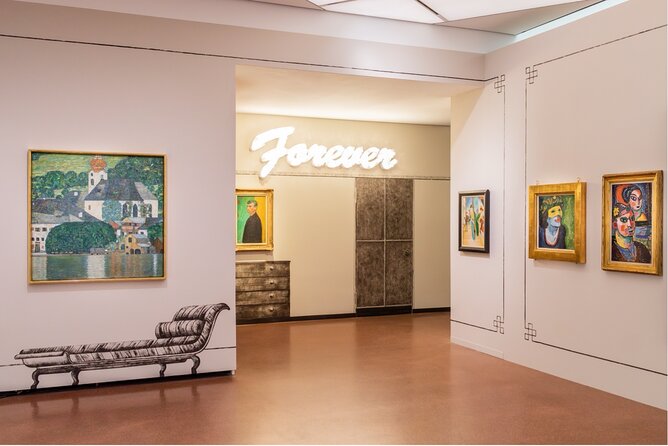
Vienna’s Heidi Horten Collection is interesting because the building itself sets the tone for the art, with modern classics and a temporary theme happening in a very designed space near the State Opera. I love the way the museum uses open sightlines, so you never feel totally trapped in one room.
I also love that your entrance ticket includes an audio guide in English, so you can actually follow what you are seeing. The only real drawback to consider is that some installations use sound and light, so if you prefer quiet, traditional galleries, the experience can feel a bit busy.
Key highlights to know before you go
- A short, satisfying art hit you can finish in 1 to 2 hours
- Klimt ⇄ Warhol permanent exhibition in a private-collection style setting
- The Line special exhibition runs 19 September 2025 to 8 March 2026
- Audio guide included in English, with support via Smartify
- Architecture with strong sightlines plus interactive and sensory elements
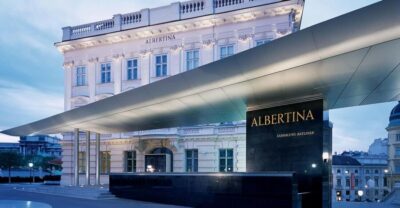
- Central location that pairs easily with the Opera and Albertina area
Why this museum feels different from a typical Vienna gallery
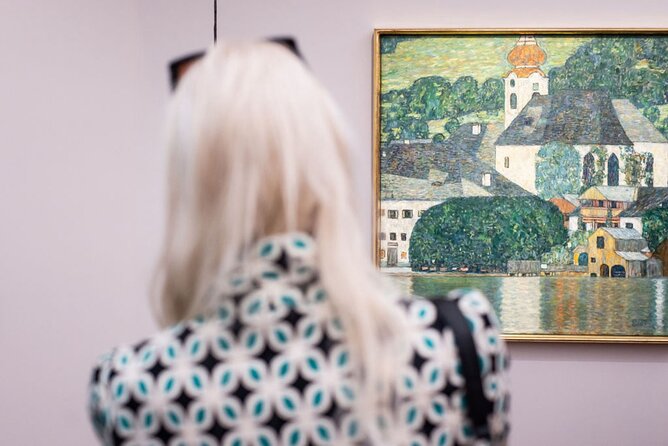
Most museums in Vienna try to be neutral, white, and quiet. This one does something else. The Heidi Horten Collection sits in a standout architectural space, and it is designed so the rooms connect visually, not just physically. That matters because it changes your pace. Instead of pushing from exhibit to exhibit like a checklist, you naturally move through sightlines and glances, deciding where to slow down.
The setting is also part of the draw because it is meant to feel personal. The collection comes from Heidi Horten’s private taste, not an endless committee process. You can feel that in the choices and in the way the permanent show is staged. If you like the idea that a collector’s eye shapes what you see, you’ll probably enjoy this museum.
More days in Vienna:
- Vienna: Vivaldi’s Four Seasons Concert in Karlskirche
★ 4.7 · 14,951 reviews - Vienna: Spanish Riding School Training
★ 3.9 · 9,281 reviews - Vienna: Skip-the-cashier-desk-line Giant Ferris Wheel Ride
★ 4.5 · 7,859 reviews
Price and value: a ticket that buys time, context, and flexibility
At about $14.38 per person, this is not a “big day trip” budget. It is a smart buy if you want meaningful art in a short window. The ticket also includes an audio guide, which is a big value lever. You are not paying only for entry, you are paying for help interpreting what you see once you are inside.
The visit usually runs 1 to 2 hours, which is ideal for real travel schedules. You can pair it with another nearby museum or even slot it between dinner and a theater plan. One practical bonus: the ticket is described as mobile, so you can keep it on your phone and move fast.
If you want to be extra efficient, plan ahead. This is commonly booked about 5 days in advance, so popular dates can sell out earlier than you expect. Still, the whole point here is that you do not need a complex plan to enjoy it.
Stop 1: Heidi Horten Collection and the Klimt ⇄ Warhol permanent show
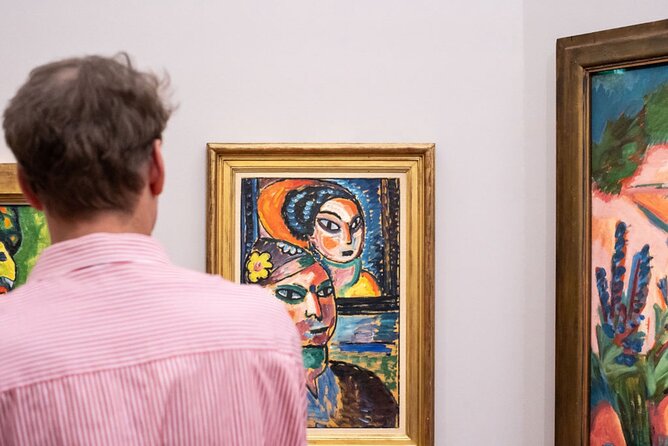
Your main anchor on the visit is the permanent exhibition Klimt ⇄ Warhol. It is arranged to make the art feel like a conversation across eras, not like separate, unrelated rooms. You go in expecting “modern classics,” and you get that, but you also get the satisfaction of seeing the museum build a bridge between different art languages.
You’ll run into major names across modern and contemporary art. The museum highlights iconic artists such as Gustav Klimt and Andy Warhol, and it also places other international heavyweights in the mix, including works by Picasso, Rothko, Basquiat, Bacon, Magritte, Chagall, and others. Even if you only recognize a few of those names, the variety helps you connect patterns. Styles don’t sit in isolation. They start to echo each other.
One thing I like about how this permanent section works for visitors is that it supports follow-up interest. The collection is not only “look and leave.” It is designed so you can start with the big familiar faces, then keep going long enough to notice differences in technique, mood, and message.
The potential mismatch is simple: if you come wanting a traditional, tightly chronological museum experience, this will feel more personal and more playful. The arrangement is open, and the interior design is meant to create visual connections. That can be a plus, but it also means you are not always in a perfectly isolated “white cube” environment.
The Line special exhibition: why this temporary show changes how you look
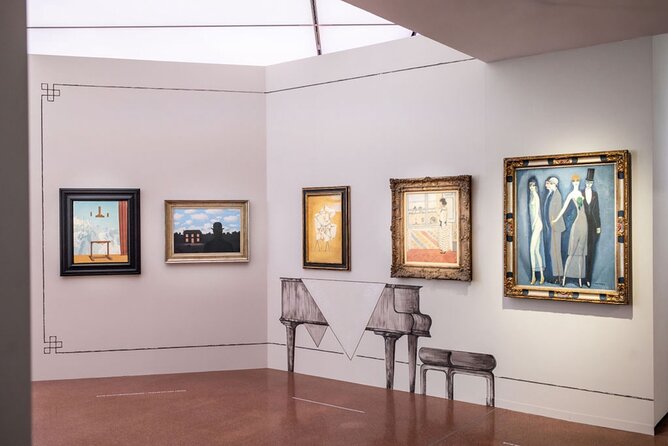
The special exhibition The Line runs from 19 September 2025 to 8 March 2026, and it is built around one idea: the line as a fundamental tool of art. That sounds basic until you experience it. Here, line is not just something you see in drawings. It shows up as structure, gesture, rhythm, direction, and boundary.
The exhibition is framed as a journey through art from around Vienna in the early 1900s all the way to today. Then it expands globally, comparing how artists across different continents use line in different ways. That gives you a satisfying “ah-ha” loop. You start seeing line everywhere, not only as a literal stroke but as how an artist organizes space and meaning.
You can expect the show to include works by artists such as Paul Klee, Lucio Fontana, Roy Lichtenstein, Egon Schiele, Jackson Pollock, Agnes Martin, Andy Warhol, and Chiharu Shiota, among others. The exact mix matters less than what the concept allows you to notice. You’ll likely spend time walking back and forth mentally, comparing how “a line” becomes something different depending on medium, culture, and intent.
This is also the kind of special exhibition that supports different visitor styles. If you love art for technique, you can focus on drawing logic and composition. If you love art for mood, you can track how a single formal element can carry tension, calm, control, or chaos.
Other Vienna bookings to compare
- Vienna: Classic Ensemble Vienna in St. Peter’s Church Ticket
★ 4.7 · 4,819 reviews - Vienna Kunsthistorisches Museum Day Admission Ticket
★ 4.6 · 3,690 reviews - Vienna: Tickets for Mozarthaus Vienna with Audio Guide
★ 4.2 · 2,344 reviews - Vienna: Skip-the-Line Entrance Ticket to the Danube Tower
★ 4.5 · 2,303 reviews
Architecture, sound, light, and sensory art: the fun part and the risk
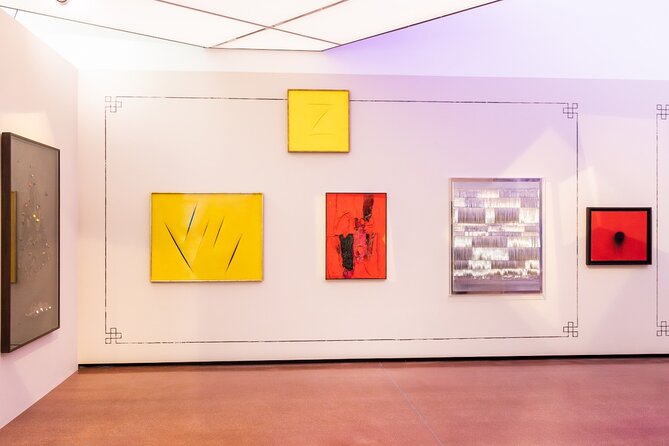
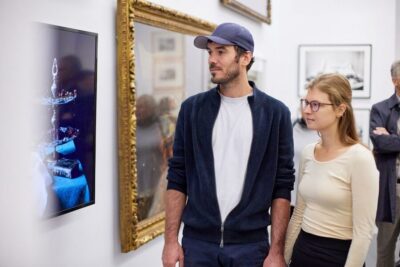
The Heidi Horten Collection uses architecture to create movement. You’ll get strong sightlines between areas, and the museum is designed with openness in mind. That can make the space feel energetic and modern, like you are in an art space designed for experiencing art, not just viewing it.
At the same time, that openness can amplify sound and light effects. Some parts of the museum include sensory installations, and those effects can be noticeable enough to disrupt the quiet “gallery brain.” If you are sensitive to noise, strobe-like light, or strong audio layers, give yourself permission to move at your pace. Skip ahead, circle back, and spend more time where you feel comfortable.
There are also areas with guidance in place, including clear directions not to cross certain boundaries. In a few spots, circulation can feel tight because the space is designed with rooms and sightlines rather than wide, open corridors. That is not a problem if you stay aware and keep your bag close. It can be annoying if you travel with a lot of gear or you like slow, unbroken walking lines.
A balanced note: this museum is not trying to be only “serious and silent.” It does experiment with sensory art, and some of it is intentionally designed to spark reactions, including humor from museum educators in their own way of presenting works. If that kind of playful, modern museum tone works for you, you’ll have more fun. If you want museum quiet and strict formality, you might find the tone uneven.
Audio guide strategy: how to get more from Klimt ⇄ Warhol and The Line
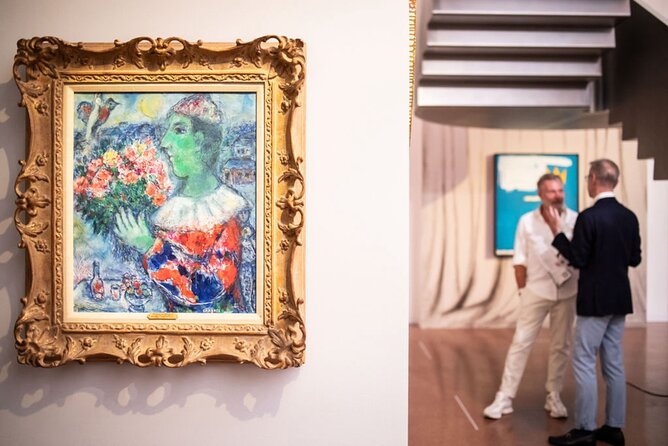
Because the ticket includes an audio guide in English, you can do this visit without being an art history scholar. The guide is the missing piece that turns “I saw famous works” into “I understood what I was looking at.” It also helps with pacing, because you can decide what to focus on rather than reading every wall label.
There is also mention that the audio guide can be accessed from home via Smartify. That is a practical tip. If you load it before you go, you can listen in transit or pick up where you left off later. It makes the whole museum feel less like a random walk and more like a planned route, even when you are choosing your own stops inside.
Here is how I would use it for best results:
- Start early with one part you care about most, either Klimt ⇄ Warhol or The Line
- Save a few audio segments for later in the visit, when your attention is tired and you want the guide to reset your focus
- If there are sensory or interactive rooms, treat the audio as optional. If it annoys you, step out, reset, then go back
You may also encounter interactive elements. One visitor noted being able to vote on creative works using a phone. If your visit includes that, it can be a nice way to stay engaged, especially if you are going with someone who likes hands-on moments.
How long you really need, and how to pace it
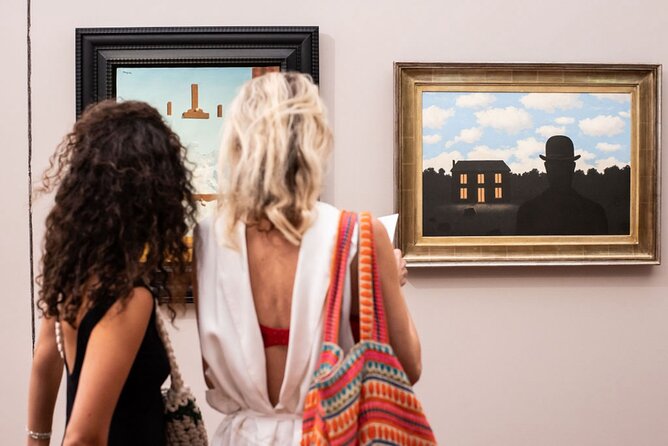
The stated timing is 1 to 2 hours, and that feels about right if you move calmly. The permanent show is substantial enough to be satisfying, but the special exhibition theme can pull you into spending extra time in the key rooms.
If you only have one hour:
- Focus on the permanent Klimt ⇄ Warhol section first
- Then do The Line with a quick loop, stopping longer only where a work really catches your attention
If you have closer to two hours:
- Spend more time on The Line, because the theme rewards looking from multiple angles
- Leave a little buffer for sensory rooms, since those areas may slow you down or change your mood
Keep in mind the museum design is open. That means you might get distracted by sounds or visuals from other rooms. That can be fun, but it also means you should plan on occasional “reset walking,” where you step into a quieter area and re-center.
Best way to fit this into a Vienna day near Opera and Albertina
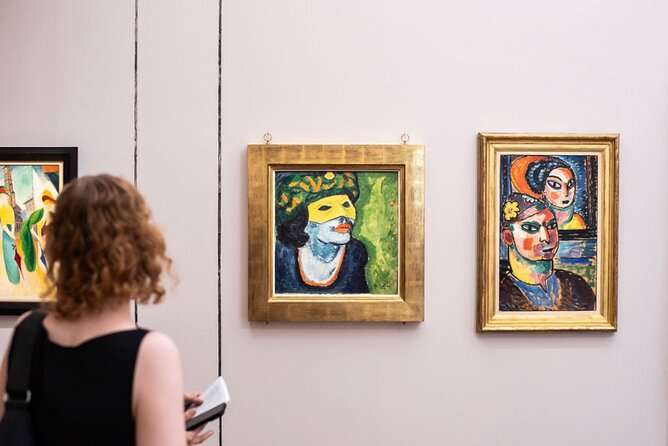
Location is a big advantage. The Heidi Horten Collection is in central Vienna, and it is described as being right near the State Opera, with the Albertina area close by. That makes it an easy add-on if you are already doing a classic sights loop.
A practical pairing idea:
- Morning or early afternoon at Albertina
- Then walk to Heidi Horten Collection for modern and contemporary art
- Finish with a late lunch and an Opera-area stroll
If you are theater-minded, doing the museum earlier helps you avoid rushing. If you are museum-hopping, keep an eye on your energy level. This is modern art with installations and audio, so it benefits from a clear head, not a fatigued one.
Who should book this ticket, and who should think twice
I’d tell art-minded couples, solo travelers, and pop art fans to strongly consider this ticket. The permanent show’s focus on figures like Klimt and Warhol, plus other modern names, makes it approachable even if you do not know every artist.
I’d also recommend it to people who like structure. The Line is a focused theme, and that theme gives you a way to connect the dots. It is not just random modern art. The concept helps you interpret what you see.
Think twice if:
- You want a strictly traditional museum experience with no sensory effects
- You hate environments where sound and light can be noticeable across rooms
- You are looking for a perfectly chronological walk with clear, closed-off spaces
If you fit the first group, this museum is likely a strong use of your time in Vienna. If you fit the second group, you can still enjoy pieces of it, but you should go in expecting a modern, experimental presentation style.
Should you book the Heidi Horten Collection entrance ticket?
Yes, if you want modern art in a beautiful, designed setting and you like having an audio guide to steer you. The price is reasonable for what you get, especially because the visit is short and self-paced, so it works for tight travel schedules. And the special exhibition concept, The Line, is the kind of theme that makes your looking feel more purposeful.
Book if you are open to contemporary presentation, including sensory elements. Skip if you need quiet, classic galleries and you know you get overwhelmed by sound, light, and interactive installations.
FAQ
How long does the Heidi Horten Collection entrance ticket take?
Plan on about 1 to 2 hours.
What is included with the ticket?
Your ticket includes the entrance ticket, an audio guide, and all fees and taxes.
Is the audio guide available in English?
Yes, the audio guide is offered in English.
Is the ticket mobile?
Yes, it is described as a mobile ticket.
Where is the museum and is it easy to reach?
It is in Vienna and is near public transportation.
Can I cancel for a full refund?
Yes. Free cancellation is available up to 24 hours in advance for a full refund.
Latest Vienna reviews
- Vienna Food Tour: Dishes, Wine, Street Food & Culture★ 4.7 · 12 reviews
- A box for a romantic walk in the city center of Vienna★ 5.0 · 13 reviews
- Vienna: mumok Museum of Modern Art Entry Ticket★ 3.8 · 13 reviews
- eBike Vienna 90min guided tour – use ebike for the whole day★ 4.0 · 13 reviews
- Bratislava Private Tour from Vienna★ 4.5 · 13 reviews
- Vienna: Austrian Wine Tasting★ 4.8 · 13 reviews
- Private One Day Trip to Bratislava from Vienna★ 4.5 · 13 reviews
- Best of Vienna Tour in TUK TUK!★ 5.0 · 14 reviews
Tickets, compared.
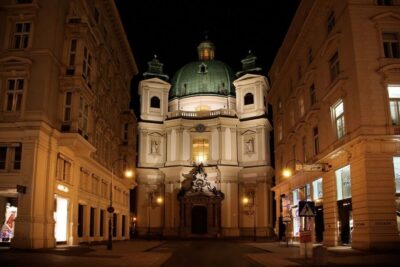
Classic Ensemble Vienna in St. Peter’s Church Ticket
Read our review →
Vienna Kunsthistorisches Museum Day Admission Ticket
Read our review →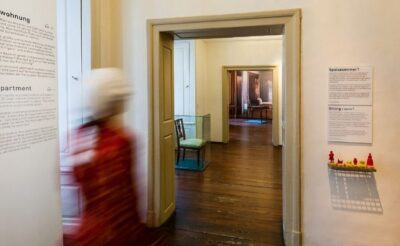
Tickets for Mozarthaus Vienna with Audio Guide
Read our review →
Skip-the-Line Entrance Ticket to the Danube Tower
Read our review →