Reviewed · TOURS
Fall in Love with Vienna Tour- the best of Vienna on foot!
There is something extra satisfying about seeing Vienna in a tight loop on foot, from the Mozart area to the grand Ringstrasse finale at the opera. This tour is built for quick orientation, so after a few hours you understand where the big landmarks sit and how they connect.
I really like that it blends music, monarchy, and city life in one walking route, including stops tied to Mozart, the Habsburgs, and Vienna’s café culture. I also like the small-group feel and the practical guide touches, like taking photos for you and sharing recommendations you can use right after the tour. The one drawback to consider is that heavy crowds can make it a bit hard to hear at certain stops, especially when the group is near the upper limit.
Key highlights to look for before you book
- Mozart to Staatsoper in about 3 hours with a clear route and an end point right on the Ringstrasse
- Historic landmarks mostly on foot, including St Stephen Cathedral, plague memorials, and baroque church interiors
- Coffee house planning built in, with an extra coffee break in traditional cafés from January to November
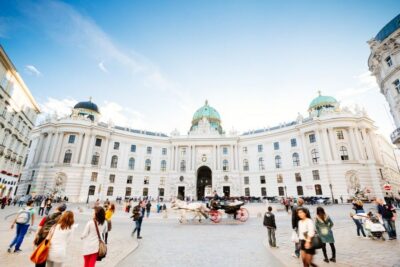
- Imperial Vienna without museum fatigue, with stops around Hofburg, Sisi, and the winter palace complex
- Good photo moments built into the pace, and a guide who will take pictures for your group
A Walking Vienna Sampler From Mozarthaus to the Opera House
This is the kind of tour you do early in your trip, when you need bearings more than facts. Vienna can feel grand and spread out, but walking from the Mozart apartment area toward St Stephen Cathedral, then across imperial landmarks and public squares, makes the city click fast.
The route also matches how Vienna tends to be experienced in real life. You start in old-town streets, you pause for the stories behind monuments, and you break into Vienna’s signature rhythm at coffee houses. By the time you reach the opera area, you are not just seeing sights, you know what street they sit on and what you might want to revisit later.
I also like that the tour is set up so you can choose a morning or afternoon departure. If you hate walking in peak crowd times, an earlier start can help the whole experience feel calmer.
More days in Vienna:
- Vienna: Vivaldi’s Four Seasons Concert in Karlskirche
★ 4.7 · 14,951 reviews - Vienna: Spanish Riding School Training
★ 3.9 · 9,281 reviews - Vienna: Skip-the-cashier-desk-line Giant Ferris Wheel Ride
★ 4.5 · 7,859 reviews
Starting Point and Ending Point, Plus the Pace You Should Expect
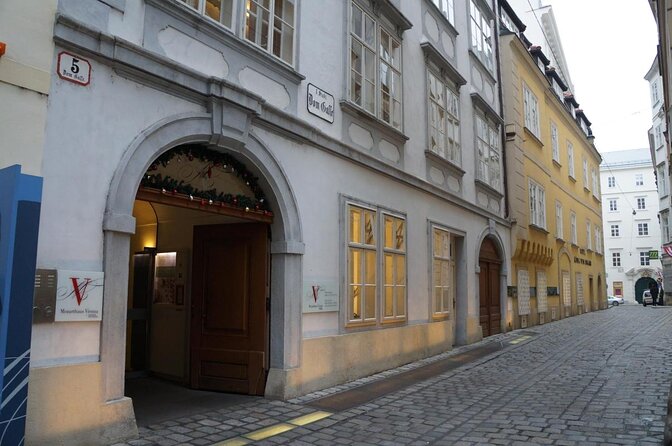
The tour starts at Mozarthaus Vienna, Domgasse 5, 1010 Wien. The end point is at Herbert-von-Karajan-Platz at the Vienna State Opera, right along Ringstrasse.
Duration is about 3 hours, and the group is capped at a maximum of 18 travelers. That matters, because a walking tour lives or dies by pacing. Expect a steady flow of stops where you are typically out for just a short moment, then back on your feet. Good shoes are a real must here, because central Vienna streets often mean uneven cobblestones even when hills are not the main issue.
A practical note: it is a walking tour, and around 5 kilometers of walking is a reasonable expectation for many people. If you have limited mobility, you may find the pace a challenge, even if the route is well planned.
Stop 1: Mozarthaus Vienna, the Mozart Connection That Sets the Tone
You begin at Mozarthaus Vienna at Domgasse. The idea here is simple: Vienna is not only imperial and grand, it is also music city, and Mozart is one of the cleanest ways to understand that.
The guide starts with Mozart and his life in Vienna, right in front of a long-time residence area. Even if you do not consider yourself a classical-music person, this stop gives you a framework for what you will keep seeing later: a city that treats art like a public language.
If you are a music nerd, you might end up chatting about concerts and venues. The tour includes a helpful option, at request, for concert tickets in some of the best concert houses.
St Stephen Cathedral and a Wafer Stop That Actually Feels Local
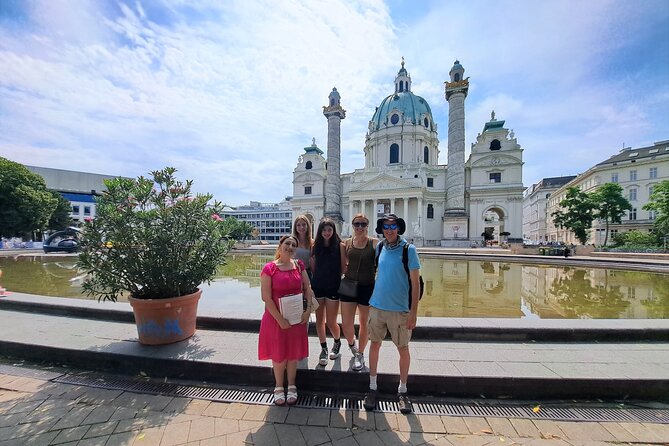
From there, you head into the medieval core around St Stephen Cathedral. The cathedral is one of the biggest magnets in the city, and the tour keeps it grounded in context by pointing out its role and age, including that it dates back to the 11th century.
Right after, there is a fun detour to a wafer shop that sells the famous Neapolitan-style wafer and also other candies. This is not a random candy break. It is a quick lesson in how Vienna trades on tradition and comfort food, and it is perfectly timed before the longer walking stretch.
A small drawback: if you are sensitive to sugar or just want to spend time only on major monuments, you might treat this as optional. But for most people, it is a low-cost way to feel the city’s everyday culture.
A different sort of Vienna day:
- Vienna: Schönbrunn Palace & Gardens Skip-the-Line Tour
★ 4.7 · 7,739 reviews - Vienna: Light of Creation Votive Church Immersive Light Show
★ 4.8 · 6,779 reviews - Vienna Spanish Riding School Guided Tour
★ 4.7 · 6,765 reviews - Vienna: Classical Concert in the World-Famous Musikverein
★ 4.6 · 6,673 reviews
Plague Memorials and Baroque Churches, Why Vienna Looks the Way It Does
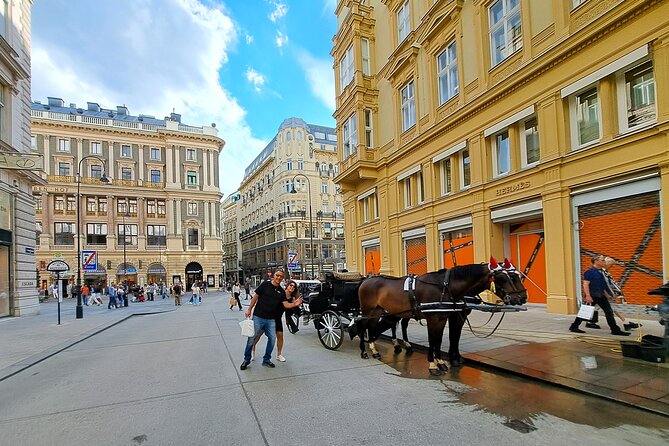
Next comes a memorial linked to one of Vienna’s big historical shocks: the Colonna Della Peste, also called Pestsaule. It is a high baroque column-style monument ordered by Emperor Leopold II as gratitude to God for help during the plague epidemic.
This stop helps you read Vienna’s stonework. It is easy to see baroque details as just decoration, but moments like this explain why those details exist: faith, survival, power, and public memory all wrapped together.
From there, you continue to Peterskirche, a Roman Catholic church with a strong baroque look inside. The key story is that it was built from scratch after the original building was destroyed in the 16th century, so it offers a visible reminder that Vienna repeatedly rebuilds and rebrands itself.
Then you move on, and the tone stays consistent: each stop has a reason for being there, not only good postcard angles.
Julius Meinl and the Coffee Culture Thread You Will Notice Everywhere
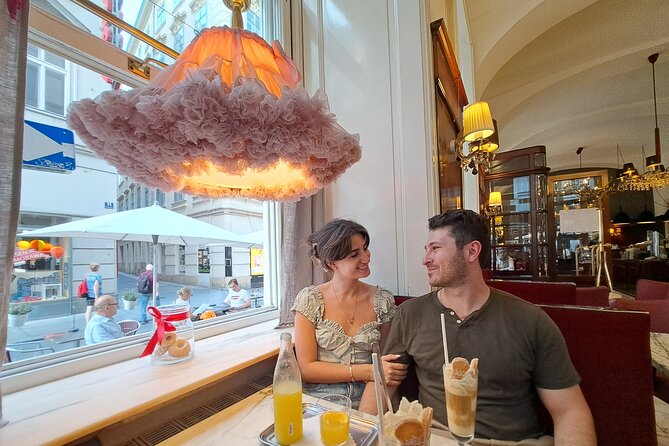
At this point, the tour shifts gears in a way that makes Vienna make sense. You will visit a central Julius Meinl coffee shop on Kohlmarkt. The guide talks about the coffee culture story in Vienna, and it gives you a way to interpret what you see in cafés later.
Even if you are not a coffee drinker, the café focus is smart. Vienna is a city where social life and architecture overlap, and coffee houses are where that overlap becomes real.
This is also where the tour earns repeat bookings. One included feature is an extra 30-minute break at a traditional Viennese coffee house, but only from January to November. Outside that time window, you still get the coffee-house themes and recommendations, just not the same built-in break.
Practical tip: bring cashless payment or a card for the coffee stop, since typical café pricing is not cheap.
Hofburg, Sisi, and the Winter Palace Story in Human Terms
Now you enter the Habsburg universe around Hofburg. The guide points out where Empress Elisabeth, Franz, Maria Theresa, and others lived, then connects it to how palace life felt for both elites and the people who worked there.
A good tour can name rulers. A better tour makes you feel how the system worked. This part leans into stories about daily life and the odd details that make old power feel human.
You continue to the Sisi Museum, connected to the Emperor’s Apartments. The guide storytelling style is a highlight here, and the museum-focused stop is designed to help you see Elisabeth not only as a legend, but as a person shaped by the court.
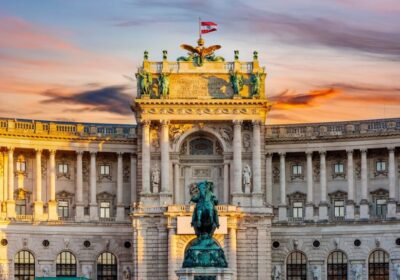
Then you head to Heldenplatz. This square is linked to the winter palace entrance and sits beside multiple museums, plus the biggest ball room of the palace complex. In other words, it is a great place to stand and understand how the monarchy presented itself as spectacle.
Volksgarten and the Garden of the 1000 Roses, Calm Between Big Monuments
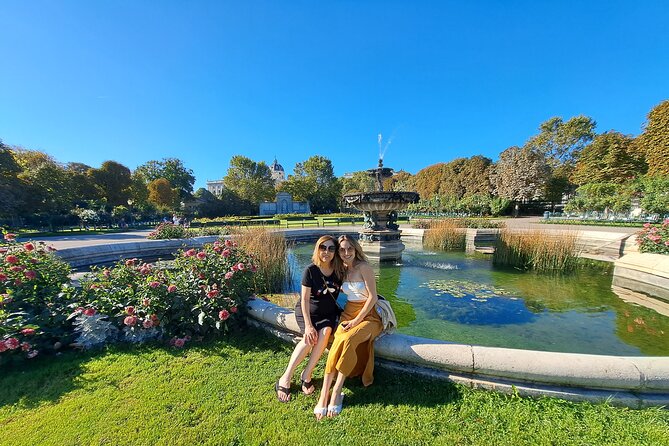
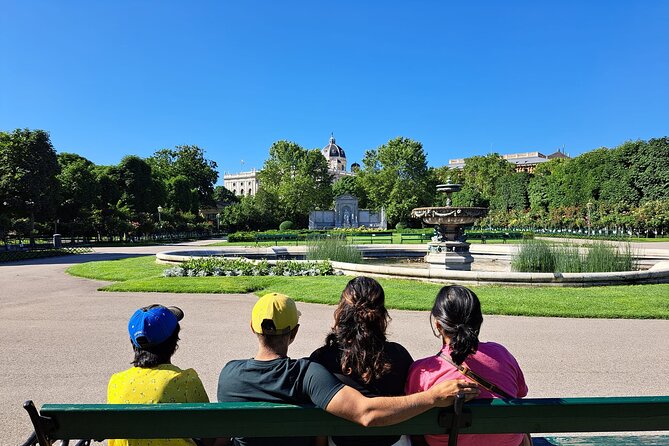
Vienna is full of major buildings, but it also has breathing spaces, and Volksgarten is one of the best preserved. The park dates to 1821 and is associated with the Garden of the 1000 roses.
This stop is short, but it gives you a payoff. You learn why gardens matter in Vienna, not just as scenery, but as part of how court culture and public space mixed.
The tour also points out a Greek-style temple inside the people’s garden, a reminder of the Habsburg emperors’ relationship with Greece. It is the kind of detail that makes you notice Vienna’s symbolic language elsewhere.
The Fountain in Front of Parliament, and the City Hall That Anchors Events
Next is the Pallas-Athene-Brunnen, a fountain in front of the Austrian Parliament. The guide explains who the goddess Athens is, including what she holds, and what that represents.
Then you see Vienna City Hall with its new-gothic architecture, and you get a sense of why the building is more than decoration. It hosts big city events and hosts the largest Christmas market in Vienna.
If you are traveling in winter, this is a great orientation stop. You will know where the market is, and you will understand why that area turns into a magnet.
Burgtheater and the Culture Machine Behind the Monuments
You also stop at Burgtheater, the Royal Theater built in the 17th century by Empress Maria Theresa. Even in a quick visit, it helps you see how Vienna treated performing arts as state-level importance, not just entertainment.
This is another “aha” moment for first-time visitors. The city does not separate buildings from culture. In Vienna, they often act together.
Café Landtmann, Freud, and the Famous Names You Want to See
Coffee culture continues at Café Landtmann, described as the favorite coffee house of psychologist Sigmund Freud. That detail is more useful than it sounds. It teaches you how to think about Vienna’s cafés as settings for ideas, not only caffeine.
Then the tour continues through historic cafe territory, and you stop at major institutions like Café Central and Demel. Demel is presented as Empress Elisabeth’s preferred cake shop just outside the winter palace, with special attention on chocolates and desserts.
At this point, you also get a built-in reality check. Vienna cafés are classic and they can be expensive, but you are paying for atmosphere and a slice of lived-in city identity. If you want one place to taste something sweet, the tour is a handy way to decide where that should happen.
Beethoven Pasqualatihaus and the Quiet Power of Small Residences
You pass by Beethoven Pasqualatihaus, a residence turned museum. This stop works because it contrasts with the grand palaces. You get to see how Vienna also honors genius in smaller, more intimate settings.
Even if you do not tour inside the museum portion, the exterior pass plus the guide context gives you an extra layer for when you later see Beethoven-related sites.
Schottenkirche, Palais Ferstel Passages, and the Art of Looking Up
The tour includes Schottenkirche, a church, monastery, and museum connected to early church history, including the 13th-century origin. The inside is described as special, and it is presented as a place where you can admire the unique look of the architecture.
Then comes Palais Ferstel, a standout palace with coffee shops, restaurants, shops, and a passage you can walk through to see the building’s details and its fountain. This is a good place to slow down for photos because it is the kind of architecture that rewards watching rather than rushing.
Spanish Riding School, Horses, and Why This Tradition Still Matters
A major cultural stop is the Spanish Riding School. The guide explains the tradition’s roots, including that it goes back to Emperor Maximilian and the importance of maintaining a powerful military presence. The horses and training are part of the story too.
Even if you are not into horses, this stop helps you understand that Vienna traditions often mix spectacle with discipline. It is not only about performances. It is about preserving identity.
Augustinerkirche Hearts, Albertinaplatz Memories, and the Opera Finale
Next you reach Augustinerkirche, where a small chapel contains 50 hearts of Austrian emperors and empresses, kept since the 17th century. This is one of those moments where Vienna feels both macabre and deeply ceremonial.
Then you continue to Albertinaplatz, described as connected to the winter palace complex, with the Albertina museum and a memorial tied to the Jewish community of Vienna. You also see the central tourist information office in the area, which makes this a practical stop if you want to plan the rest of your days.
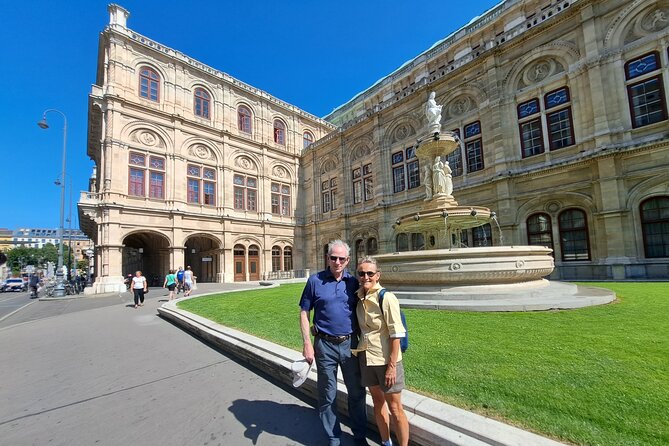
Finally, you end at the Vienna State Opera. It is built in 1869 and sits on Ringstrasse, so the location is perfect for a smooth transition to your next plans, whether that is dinner, a short tram ride, or a return to another landmark.
Price, What You Get for About $72.59, and How This Beats Random Walking
At $72.59 per person for about 3 hours, the value is mostly in three things: time saved, interpretation provided, and direction for what to do next.
If you do this route solo, you can find the same landmarks. But you still need to piece together why they matter. The guide does that quickly, and the pace keeps you moving without treating it like a museum marathon.
Also, many stops are listed with no admission fee in the tour structure, which means you can see quite a lot without paying repeatedly. Still, the tour notes that entrance fees to museums are not included, so if you decide to go into a museum at another time, budget separately.
Included extras worth noticing:
- A printed Vienna information package plus a city map
- Local recommendations for museums, venues, restaurants, and coffee shops
- A guided experience with a small-to-medium group that supports questions
- A mobile ticket
- Photo help, so you do not spend the whole day asking strangers to take pictures
Which Kind of Visitor Should Choose This Tour
This tour fits best if you:
- Have limited time and want a clear first-day route
- Prefer walking with context over sitting in one big attraction
- Want coffee house orientation so you can plan tastings later
- Like when guides connect monuments to stories you can remember
It is less ideal if you:
- Need lots of sitting time or have trouble with steady walking
- Want long museum entries, since this is built around short stops
- Are sensitive to noise in crowded places, because some sights can get busy
Group size is usually kept small, and the top experience you want is a guide who keeps it moving while still making time for your questions. In past departures, guides such as Nicoletta and Moritz have been highlighted for clear English and flexible pacing. If hearing is a concern, you can pick a spot near the front when entering dense areas.
Should You Book This Vienna Walking Tour?
If you want a first-day framework and you like the idea of combining landmarks with café culture, this tour is an easy yes. It gives you a route you can replay later, plus a way to understand why Vienna’s details matter, from Mozart-area beginnings to the opera finish.
I would book it when you have at least half a day free, good walking shoes ready, and the mindset to stop, look up, and ask questions. If your trip plan is already packed with museums and you only want one or two big-ticket interiors, then you might do better mixing a lighter self-guided stroll with a focused museum visit.
Either way, this is one of those tours that can help you stop feeling lost and start feeling like you control your schedule.
FAQ
How long is the Fall in Love with Vienna walking tour?
The tour is approximately 3 hours.
What is the price per person?
The price is $72.59 per person.
Is the tour offered in English?
Yes, it is offered in English.
Do you get a coffee house break during the tour?
You get an extra 30-minute break in a traditional Viennese coffee house from January to November only.
What is the maximum group size?
The tour has a maximum of 18 travelers.
Where does the tour start and end?
It starts at Mozarthaus Vienna, Domgasse 5, 1010 Wien, and ends at Herbert-von-Karajan-Platz in front of the Vienna State Opera, on Ringstrasse.
Is a mobile ticket provided?
Yes, the tour features a mobile ticket.
Are museum entrance fees included?
Entrance fees to museums are not included.
Is the tour dependent on weather?
Yes. It requires good weather. If canceled due to poor weather, you will be offered a different date or a full refund.
What is the cancellation timeframe for a full refund?
You can cancel up to 24 hours in advance for a full refund.
Latest Vienna reviews
- Vienna Food Tour: Dishes, Wine, Street Food & Culture★ 4.7 · 12 reviews
- A box for a romantic walk in the city center of Vienna★ 5.0 · 13 reviews
- Vienna: mumok Museum of Modern Art Entry Ticket★ 3.8 · 13 reviews
- eBike Vienna 90min guided tour – use ebike for the whole day★ 4.0 · 13 reviews
- Bratislava Private Tour from Vienna★ 4.5 · 13 reviews
- Vienna: Austrian Wine Tasting★ 4.8 · 13 reviews
- Private One Day Trip to Bratislava from Vienna★ 4.5 · 13 reviews
- Best of Vienna Tour in TUK TUK!★ 5.0 · 14 reviews
Tours, compared.
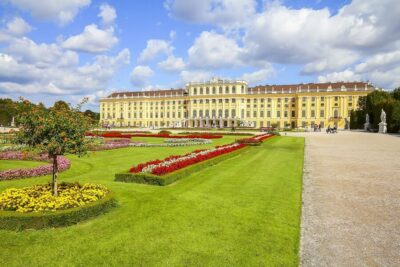
Schönbrunn Palace & Gardens Skip-the-Line Tour
Read our review →
Skip-the-Line Sisi Museum, Hofburg and Gardens Tour
Read our review →
Skip-the-Line Schönbrunn Palace & Gardens Tour
Read our review →
Guided Walking Tour of City Center Highlights
Read our review →