Reviewed · VIENNA TOURS
The best of Vienna on foot
This Vienna walking tour is interesting because it does the hard part for you, a focused city-center route that ties monuments to stories. I especially like the Habsburg connections you hear along the way, and I also appreciate the built-in chance to stop and grab good photos instead of racing nonstop. One possible drawback: at 150 minutes, it is not a slow stroll, so if you like to linger at every corner, you may feel a bit rushed.
What makes it work is the way the guide turns famous facades into something you can actually picture. You will pass the Cathedral of St. Stephen and the Hofburg, plus a chain of major sites in between, with plenty of chances to ask questions.
Do note the practical side. The live guide is Italian, and the tour runs rain or shine, so bring warm layers and be ready for cold wind if the weather turns.
Key highlights you will care about
- A tight first-time route through Vienna’s center, built around major landmarks and clear historical context
- Habsburg stories close up, including the Capuchin Crypt and the burial place of the monarchs
- Multiple “headline” stops in one walk, with the Hofburg, Hofburg area sights like Heldenplatz, and more than 10 highlights
- Photo time on purpose, not just before you are moving again
- Italian guide experience, with Q and A time so you can ask what you actually want to know
- Local stay tips during the walk, including ideas for restaurants, culture, and using public transport
Why this Vienna city-center walk connects the dots fast
If Vienna is your first stop on a Europe trip, you usually face the same problem. You arrive, you see gorgeous buildings, then you leave with a blur of names. This tour is designed to prevent that. You get a guided route that links key places in the center, so you understand what you are looking at while you are looking at it.
I like that the pacing is built around walking, spotting, and hearing. It is not a museum session. You are outside, in the city’s real space, and the guide gives you specific data and stories to attach to each landmark. And because it ends at St. Stephen’s Cathedral, you finish with one of the strongest visual payoffs in the historic center.
The overall vibe also helps. The route is centered on major monuments, but it also makes time for talk about Vienna’s popular culture and what locals value. That matters because Vienna is not only emperors and marble. It is also people, habits, and daily life.
More days in Vienna:
- Vienna: Vivaldi’s Four Seasons Concert in Karlskirche
★ 4.7 · 14,951 reviews - Vienna: Spanish Riding School Training
★ 3.9 · 9,281 reviews - Vienna: Skip-the-cashier-desk-line Giant Ferris Wheel Ride
★ 4.5 · 7,859 reviews
Starting at the Maria Theresia Memorial, with an easy meet-up
Your tour starts at the Maria-Theresa Memorial. This is helpful for most visitors because it gives you a recognizable landmark right away.
For the actual meeting, look for an Italian-colored umbrella at the fountain of Maria Theresia on the square. Red, white, and green is the clue. If you show up a little early, you will avoid the classic first-day travel stress of trying to guess which group is yours.
Once you begin walking, the tour’s logic becomes clear. Instead of scattering across the city, it sticks to Vienna’s center and keeps the flow tight. That is a real value if you only have a single afternoon or if you want your next days to feel easier, because you learn how the pieces fit together.
Also, you will likely appreciate the “ask anything” structure. The tour explicitly offers time to ask questions, which is where you can turn generic sightseeing into practical planning.
The route through Vienna’s core: more than 10 highlights in 150 minutes
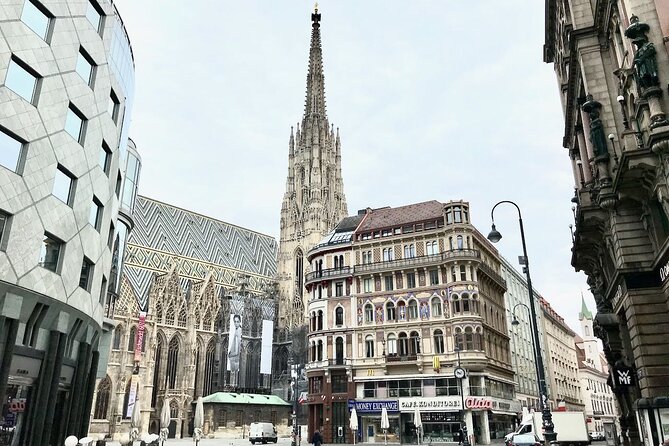
This is a concentrated city-center walk that strings together major sights in a logical sequence. The stops are built around the classic power and culture centers of Vienna, then add in the stories that give these places emotional weight.
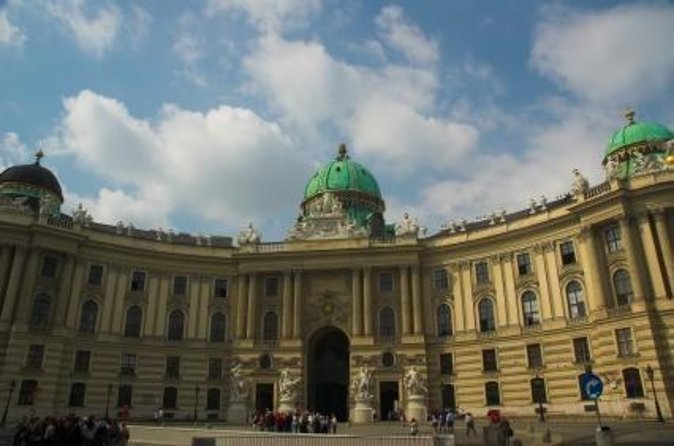
Along the way, you pass the Hofburg, including the imperial palace area connected to Franz Josef and Empress Sissi. You also move through the area around Heldenplatz and the Plague Column. Then the route brings you past the Albertina and the Vienna State Opera.
That mix is smart. It prevents the tour from feeling like only one theme, either royal history or only arts. You get monarchs and monuments, then a shift into Vienna’s creative side, with institutions that still matter today.
One note on expectations: you are seeing a lot in a short time. There is photo time, but this is not a sit-and-stare tour. If your travel style is slow, pick one or two stops you want to study afterward on your own.
The Hofburg and the Sissi and Franz Josef story, told where it happened
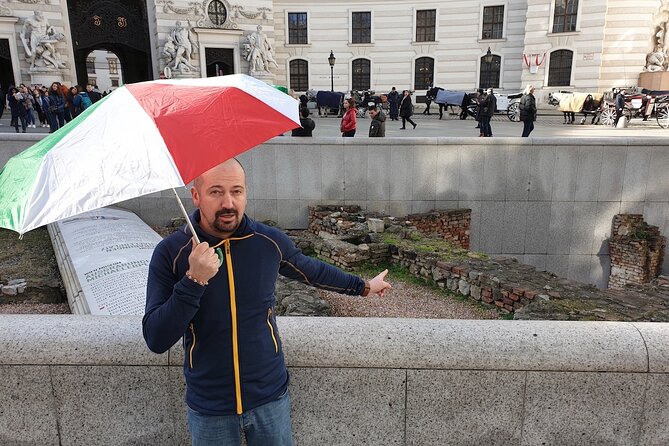
The Hofburg is one of those places where your brain automatically says grand palace, but the real experience is deeper when you understand what it represented in daily power.
On this tour, you get the context around the imperial palace connected to Franz Josef and Empress Sissi. Even if you only know the names from pop culture, hearing how they relate to the buildings you are actually standing in helps the whole area click.
The key benefit here is perspective. You stop seeing the Hofburg as a photo background and start seeing it as a statement of authority, a center of governance, and a stage for public image. That also makes Heldenplatz easier to interpret later, because it is like the square-side echo of palace power.
If you enjoy history, you will probably like how the guide uses specific details and stories rather than a vague summary. And if you do not, the approach still works, because it keeps returning to what you can see and why it matters.
A different sort of Vienna day:
- Vienna: Schönbrunn Palace & Gardens Skip-the-Line Tour
★ 4.7 · 7,739 reviews - Vienna: Light of Creation Votive Church Immersive Light Show
★ 4.8 · 6,779 reviews - Vienna Spanish Riding School Guided Tour
★ 4.7 · 6,765 reviews - Vienna: Classical Concert in the World-Famous Musikverein
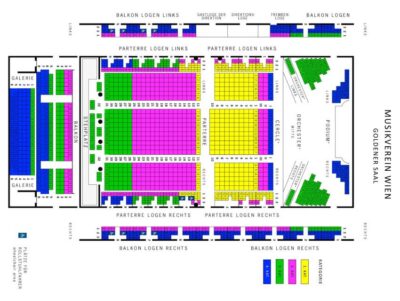
★ 4.6 · 6,673 reviews
Capuchin Crypt: the Habsburg burial place, where the story gets human
One of the most distinctive parts of this tour is the stop in front of the Capuchin Crypt, the burial place of the Habsburg monarchs. This is not just another church exterior moment. It is a focused historical stop with emotional weight.
When a guide explains the burial story in plain language, it changes how you feel about these monuments. You start thinking about legacy, family, and how empires try to control memory long after the ruler is gone. That is a different angle than a sightseeing-only approach.
Even if you only get a glimpse from outside, having the right context makes the whole site more meaningful. You are also walking at the right time, because the tour keeps the flow moving from palace power into a place tied to long-term remembrance.
This stop is a good example of why the tour is worth doing early in your Vienna visit. It helps you understand the city’s mindset. Vienna often feels like it runs on history, but this is where you see the personal side of that history too.
Albertina and the Vienna State Opera: arts that shape the city
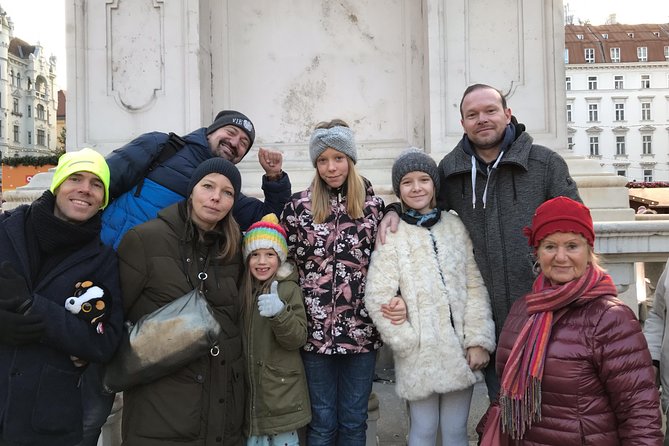
Not all major Vienna sights are palaces and crypts. This walk also passes the Albertina and the Vienna State Opera, which gives you a culture jolt mid-route.
The Albertina is a major name for art lovers, and even if you do not plan to enter during your trip, seeing it in context helps. The same goes for the Vienna State Opera. When you are already hearing stories about emperors and monuments, switching gears to performance culture reminds you that Vienna is also built around ideas, not only authority.
The practical advantage is that you learn where these institutions sit inside the city center. That matters because later, when you want to plan a show, a museum visit, or a lunch nearby, you will already know how they connect to the rest of your route.
This is one area where a good guide makes a difference. You might hear comments on Vienna’s popular culture and how these venues fit into resident life. That is the kind of detail that makes a city feel lived-in, not like a theme park.
Heldenplatz and the Plague Column: monuments with meaning beyond the photo
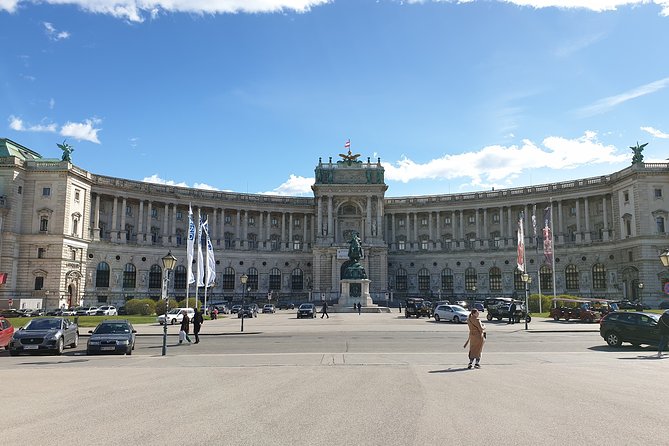
As you continue through the central area, you reach Heldenplatz and the Plague Column. These are exactly the kind of places that can look impressive but confusing if you just treat them as backdrops.
Heldenplatz is tied to the idea of heroes and public symbolism. Standing near it, it starts to make sense why Vienna built such spaces that project national stories into open public view. It is not only decorative. It is communication in stone.
Then there is the Plague Column. Places like this often become more interesting when you understand the reason they exist. You start thinking about how a city remembers suffering, survival, and gratitude through public monuments.
The tour’s value here is timing and explanation. You see them during a walking route where the guide keeps building context. Instead of treating each stop as an isolated photo, you connect them into a bigger picture of how Vienna narrates itself.
St Stephen’s Cathedral at the end: why finishing here feels satisfying
You finish at St. Stephen’s Cathedral. That is a strong ending point because the cathedral is one of the most recognizable landmarks in Vienna, and it also works well as a mental “we made it” moment.
Ending at the cathedral is smart because you get to walk in with the right context. By the time you reach the finish, you have already heard about power, burial stories, public monuments, and major cultural institutions. So even if you only spend a short time near the cathedral, it lands with more meaning.
Also, finishing here helps with your next steps. It is a convenient hub for wandering afterward, grabbing food, or orienting yourself for the rest of your Vienna days.
If you like photos, this is a place you will probably want to slow down a bit. The tour itself gives you photo time along the route, but at the finish, you can make your own extra moment.
How the guide turns a walk into a planning tool
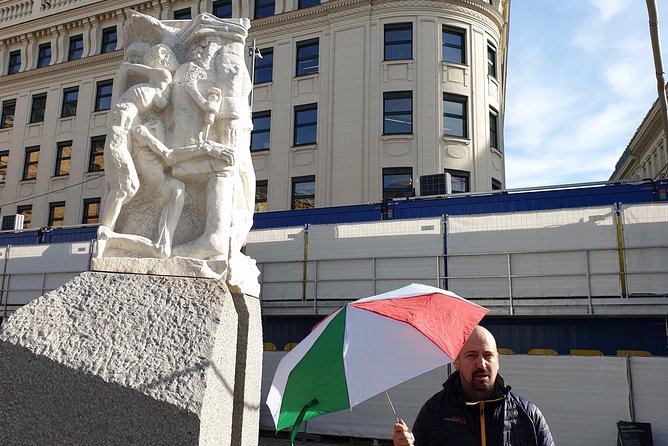
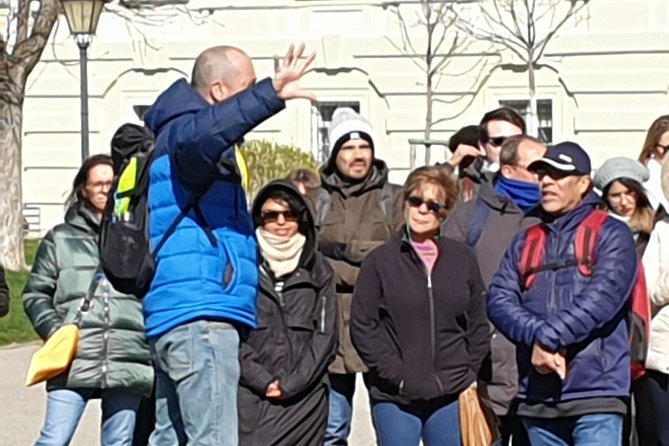
The tour is led by a certified official tour guide, and that matters more than most people expect. A trained guide can explain what you see in a way that sticks, and they can handle your questions on the spot.
Language is Italian, and the tour explicitly offers an opportunity to ask questions. In practice, this is where you can turn the tour into something personally useful. Ask about where to go next for a type of meal you like. Ask what to focus on if you have limited time. Ask how public transport works for the neighborhoods you want to explore.
From what has gone well with guides such as Raffaele and Mara, the explanations tend to be specific and not just a list of dates. One run included entertaining historical anecdotes, and another included a fun group request stop for punch sold at a kiosk, treated as an extra. That is exactly the kind of human touch that keeps a short tour from feeling mechanical.
One more practical point: the tour is designed to take place rain or shine. So if the weather is bad, having a guide who can keep the energy up and continue with the plan is a real comfort.
Price and value: is $40 for 150 minutes a fair deal?
At about $40 per person for roughly 150 minutes, this walking tour is priced like a focused, guide-led experience rather than a long day of activities.
The value comes from three things you get in a short span. First, you cover a compact set of the most important central sites. Second, you get stories and specific context for what you are seeing, which reduces the mental work you would otherwise do later. Third, you have time for photos and time to ask questions, so you can make the walk useful beyond just seeing buildings.
You do not get food and drinks included, so plan on paying for your own break. But that is typical for a walking tour. The benefit is you stay flexible, and if you want something quick, you can choose based on what looks good nearby.
Overall, if you are doing Vienna on a tight schedule, this is a very reasonable way to get your bearings and pick better priorities for the rest of your trip.
Practical must-know details before you go
Here are the things that can affect your day, so get them clear before you meet the guide.
Bring light, comfortable walking shoes, because you are covering a city-center circuit. The tour lasts about 150 minutes, so you will want to be ready to move at a steady pace.
The meeting point is the fountain of Maria Theresia on the square, and you will spot the guide by an Italian-colored umbrella. Plan to arrive early so you can find the group quickly.
A few rules are posted: no audio recording, no luggage or large bags, and no pets. If you are traveling with bigger items, you may need to plan storage before the tour.
Also, the tour happens rain or shine. It is only canceled in the event of an environmental disaster, so pack accordingly.
Who this walking tour suits best
This tour is a great fit if you want a clear, guided orientation to Vienna’s city center. It works especially well as a first or early activity because it gives you the names, relationships, and stories that make later self-guided walking feel easier.
You will likely enjoy it if you like:
- walking and seeing multiple landmarks close together
- history explained with stories, not just dates
- practical tips on where and how to spend the rest of your time
It may feel less ideal if you prefer very slow pacing or if you need lots of accessibility accommodations. The tour is listed as wheelchair accessible, but it is also marked as not suitable for people with mobility impairments. If that applies to you, I would check directly with the provider to understand how the walk is managed.
Should you book this best-of Vienna on foot tour?
Yes, if you want a smart, early Vienna orientation that connects the city’s biggest buildings to the stories behind them. The $40 price makes sense for a 150-minute, official guide-led route that hits major sights like the Hofburg area, the Capuchin Crypt, the Albertina, the Vienna State Opera, and ends at St Stephen’s Cathedral.
You might skip it only if you already know Vienna well and you prefer an unguided stroll, or if you need a very leisurely pace. Otherwise, it is one of those “get your bearings fast” experiences that helps your whole trip feel more coherent.
FAQ
What is the duration of the Vienna walking tour?
The tour runs for about 150 minutes, or roughly 2.5 hours.
Where do I meet the guide?
Meet at the fountain of Maria Theresia on the square. Look for the guide with an Italian-colored umbrella (red, white, green).
Where does the tour end?
The tour ends at St. Stephen’s Cathedral.
What language is the live guide speaking?
The live tour guide is speaking Italian.
Is the tour wheelchair accessible?
The tour is listed as wheelchair accessible, but it is also marked as not suitable for people with mobility impairments. If you have specific needs, confirm details with the provider before booking.
Does the tour run in bad weather?
Yes, it takes place rain or shine. It is only canceled in the event of an environmental disaster.
What is included in the price, and what is not?
Included: a certified official tour guide, time to ask questions, and time to take photos. Not included: food and drinks.
Latest Vienna reviews
- Vienna Food Tour: Dishes, Wine, Street Food & Culture★ 4.7 · 12 reviews
- A box for a romantic walk in the city center of Vienna★ 5.0 · 13 reviews
- Vienna: mumok Museum of Modern Art Entry Ticket★ 3.8 · 13 reviews
- eBike Vienna 90min guided tour – use ebike for the whole day★ 4.0 · 13 reviews
- Bratislava Private Tour from Vienna★ 4.5 · 13 reviews
- Vienna: Austrian Wine Tasting★ 4.8 · 13 reviews
- Private One Day Trip to Bratislava from Vienna★ 4.5 · 13 reviews
- Best of Vienna Tour in TUK TUK!★ 5.0 · 14 reviews
Vienna Tours, compared.
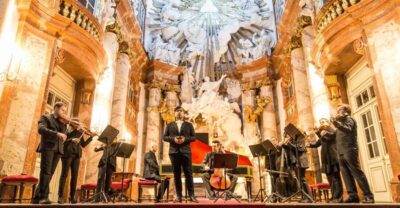
Vivaldi’s Four Seasons Concert in Karlskirche
Read our review →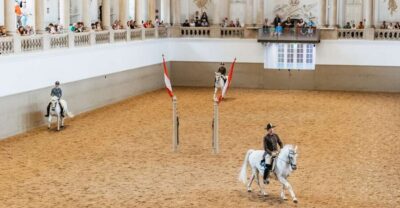
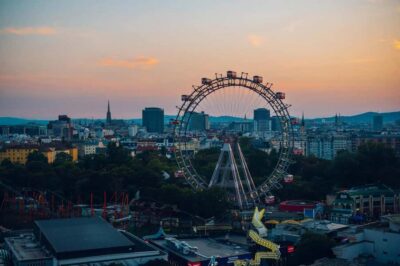
Skip-the-cashier-desk-line Giant Ferris Wheel Ride
Read our review →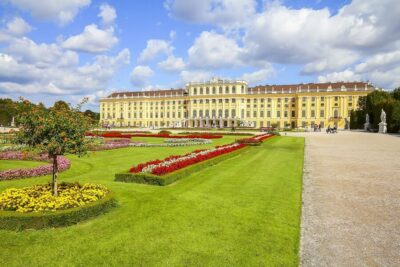
Schönbrunn Palace & Gardens Skip-the-Line Tour
Read our review →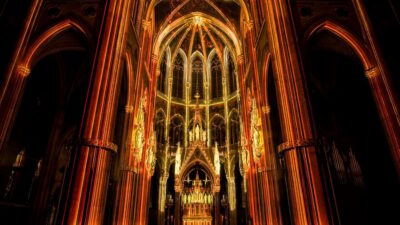
Light of Creation Votive Church Immersive Light Show
Read our review →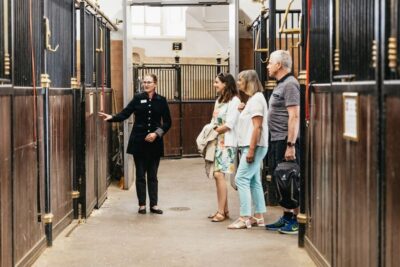
Classical Concert in the World-Famous Musikverein
Read our review →