Reviewed · TOURS
Vienna: Sightseeing Tour in a Classic Style Car
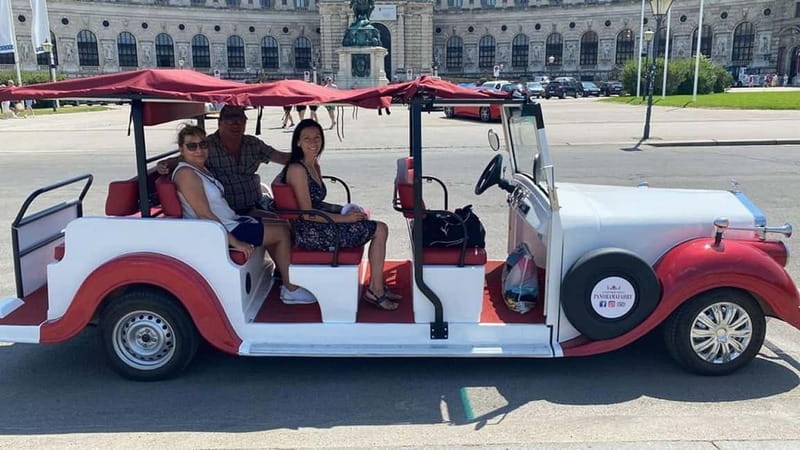
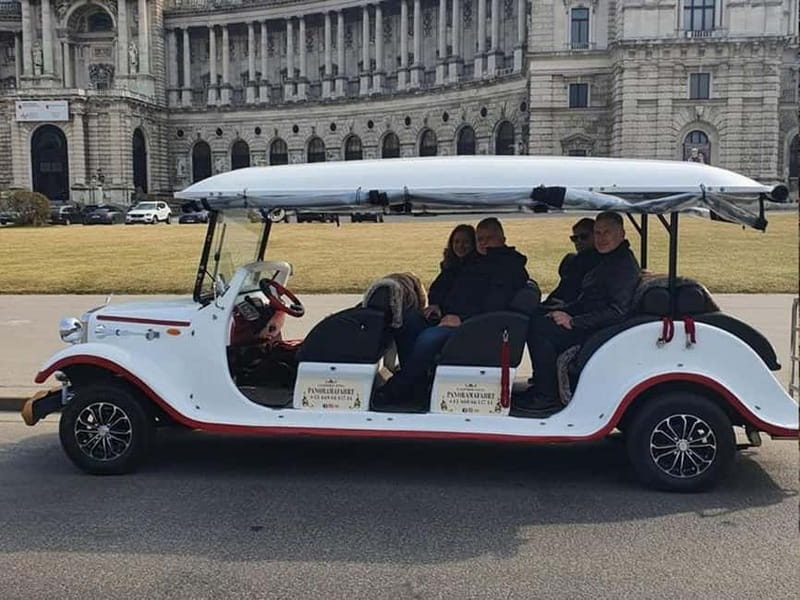
Vienna from the seat of a classic-style electric old-timer is a smart twist on sightseeing. You still get that grand city feeling, but the ride is emission-free and easy on the senses, so you can focus on the streets, façades, and landmarks instead of hustling around traffic.
What I love most is the way you get both live driver commentary and audio narration, which helps you connect what you’re seeing on the route. The other big win is the format, a small group that fits together comfortably in one car, so the whole family stays together. One possible drawback: in 90 minutes you will cover a lot of famous stops, so if your goal is long time inside museums or churches, treat this as orientation first, then plan deeper visits on your own.
Key highlights you should care about
- Electric old-timer comfort: emission-free touring with a classic look
- Small group of up to 10: a calmer ride, not a pack of strangers
- English or German live narration: learn while you move, without stopping your day cold
- Weather-proof sightseeing: you keep rolling even when it is chilly or wet
- 90 minutes with a major sights sweep: Ringstrasse icons plus inner-city anchors
- Driver-flexible viewing time: you can ask for extra moments to get a closer look
Vienna from the comfort of a classic electric old-timer
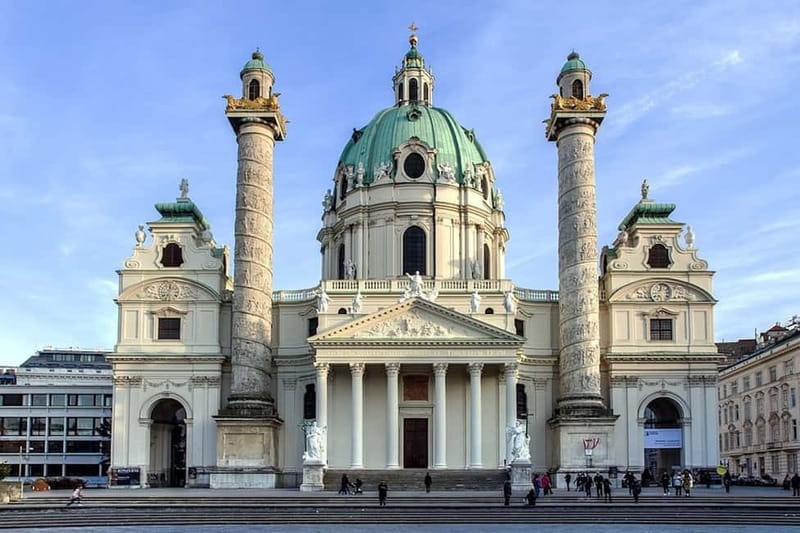
The vibe here is simple: you get Vienna’s big sights without the constant stop-and-start stress. From inside the car, you can actually watch how the city is laid out. You will start to see patterns, like how many of the most important buildings cluster along the Ringstrasse area and how the historic core wraps back toward the cathedral and old streets.
This is also an easy choice when you do not want to spend your energy “solving” logistics. You meet at Herrengasse 12, ride a loop that hits major landmarks, and return to the same spot. That makes it feel less like a tour you survive and more like a moving introduction that helps you plan the rest of your Vienna days.
More days in Vienna:
- Vienna: Vivaldi’s Four Seasons Concert in Karlskirche
★ 4.7 · 14,951 reviews - Vienna: Spanish Riding School Training
★ 3.9 · 9,281 reviews - Vienna: Skip-the-cashier-desk-line Giant Ferris Wheel Ride
★ 4.5 · 7,859 reviews
Meeting point at Herrengasse 12: what to expect in 90 minutes
Your start is Herrengasse 12, 1010 Vienna, in front of the Radisson Blu. The tour begins and ends at the same address, which is great if you are pairing it with hotel check-in, dinner, or an evening walk later.
The duration is 90 minutes, and the pacing is designed around a sightseeing circuit rather than long pauses. The car is sized for a small group, limited to 10 participants, so you are not squeezed into a chaotic lineup. You also get a driver who provides the narration in English or German, with audio commentary included, so you can follow along without needing an extra headset or reading materials.
If you want a shorter outing, there is also a nostalgic 60-minute tour option. The longer 90-minute version is the one that delivers the broader sights list, including Ringstrasse landmarks and several major squares.
How the electric ride helps when Vienna weather turns
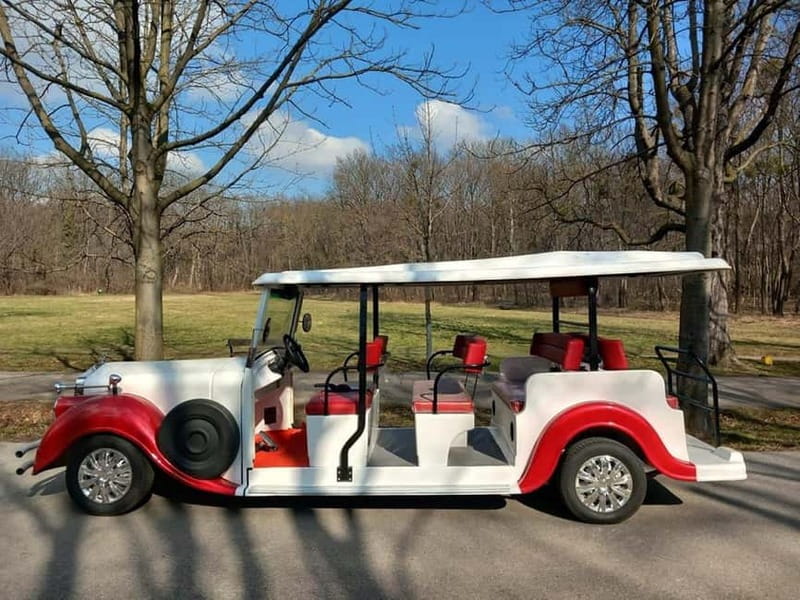
Vienna weather has a talent for changing your plans fast. This tour is built for that reality. The marketing is straightforward: you go sightseeing no matter the weather, and the experience is structured around driving between landmarks so you can keep moving even when it is cold or damp.
The car itself is an old-timer style electric vehicle. That matters more than it sounds. You are not battling fumes or loud engine noise in the way you might with older vehicles. The ride feels smooth, and it lets you spend attention on the facades and city layout. Even in winter, the overall experience reads like comfort plus context, not a sprint.
Small-group touring: family-friendly, calm, and talkable
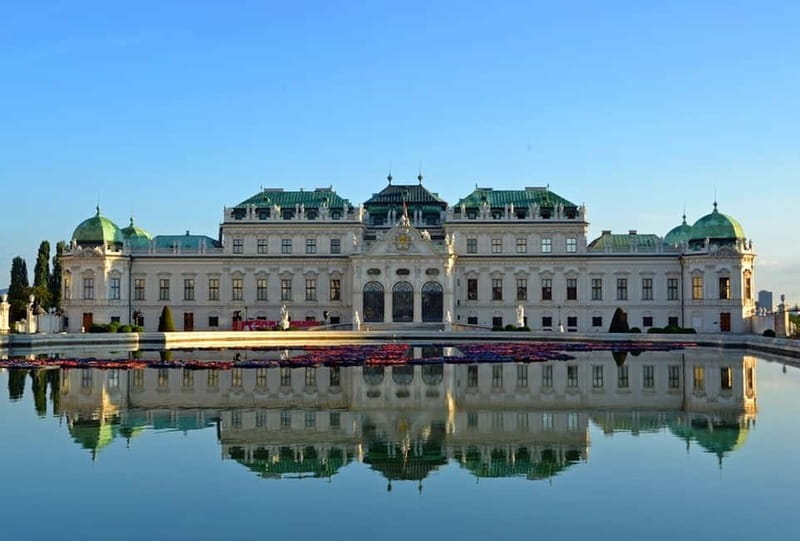
One of the clearest advantages is the group size. With a max of 10 people, you can hear the guide and you can ask questions without feeling like you are interrupting a factory line.
This is also where the driver personality shows up. In recent runs, guides such as Karl and Angelo have been singled out for their humor and their ability to switch between German and English smoothly. That kind of back-and-forth matters if you have mixed-language companions, or if you want answers to specific questions while still staying on schedule.
And because the tour is small, the driver can usually respond to your curiosity. If you spot something worth a longer look, you can request extra viewing time. Some tours are described as allowing short stops of about 5 to 10 minutes when asked, which is exactly the sort of flexibility that turns a good route into a memorable one.
A different sort of Vienna day:
- Vienna: Schönbrunn Palace & Gardens Skip-the-Line Tour
★ 4.7 · 7,739 reviews - Vienna: Light of Creation Votive Church Immersive Light Show
★ 4.8 · 6,779 reviews - Vienna Spanish Riding School Guided Tour
★ 4.7 · 6,765 reviews - Vienna: Classical Concert in the World-Famous Musikverein
★ 4.6 · 6,673 reviews
From Herrengasse to Albertina and the old city wall
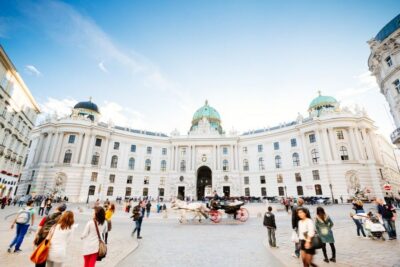
You start at Herrengasse 12, then begin threading into the historic center. Early on, you pass Albertina and areas tied to the old city wall. This is a good segment for getting your bearings. Even if you have never been to Vienna, you start to understand where the older layers sit relative to the grander boulevards that come next.
You will also see the old city wall named again later on the route, which is useful. It gives you a sense that Vienna history is not one straight line. It is layered, and the city still reflects those older borders in how streets and structures line up.
In practical terms, this portion helps you make better choices later. After this ride, you will know which streets feel “cathedral-close” and which sections lead you toward the Ringstrasse scale.
Ringstrasse time: State Opera, the longest boulevard, and the grand civic look
Ringstrasse is the star here, and the tour is set up to show you it in motion. You will see the State Opera, Ringstrasse itself, plus a sequence of palaces and monuments that frame the boulevard’s theatrical scale.
This is where the tour earns its keep for first-time visitors. Vienna’s Ringstrasse is not just a road, it is a whole attitude. Being in an electric old-timer car means you can watch how the buildings relate to each other across the street, and how the boulevard shifts from one landmark cluster to the next.
On this segment you also pass named points like Palais Schy, the Goethe Monument, and the Schiller Monument, plus the Academy of Fine Arts and Burggarten area. Even if you do not know every detail of each site, you will see the stylistic continuity: formal architecture, monumentality, and big-city planning meant to impress.
One thing to keep in mind: Ringstrasse landmarks can feel “fast” if you expect slow photo sessions. If you care about photos, bring your camera readiness and be ready to request a quick pause when something catches your eye.
Palais grounds and museum-style stops: Burggarten, Palm House, Butterfly House
After the boulevard glamour, you shift into the calmer named green-and-architecture stops. The route includes Palm House and Butterfly House, and these are the kind of locations where the names themselves suggest a more curated interior or special setting compared with the street-facing monuments.
The practical value is that you can decide later whether you want to spend time inside. From the car, you get the orientation, you see where these spaces sit, and you can then match your interests to a follow-up visit. If you love gardens or indoor exhibits, this segment helps you identify where your next day should go.
This is also a nice break in rhythm. After palaces and major civic buildings, the Burggarten and greenhouse-related stops give your eyes a different focus. In cold weather, that kind of visual change can feel like a mini reset.
Mozart and the New Burgtor area: monuments you can anchor your photos to
The tour continues with notable monument points like the Mozart Monument and New Burgtor. For planning, these are useful anchors. Monuments like this make it easier to orient yourself later because they act like visual landmarks you can spot from a distance on future walks.
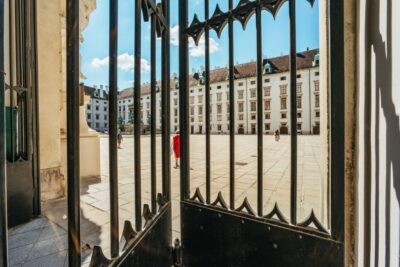
You also pass through Heldenplatz and Hofburg, and these are core Vienna names that most visitors want to connect to the physical city. Riding past them in a single loop helps you build a mental map. Later, when you are walking, you will feel less like you are guessing.
If you are someone who gets overwhelmed by too many close-up details, this part is perfect. You see big, unmistakable forms, you learn what to look for, and you do not have to work hard to connect the pieces.
Hofburg to National Library and the Welt Museum zone
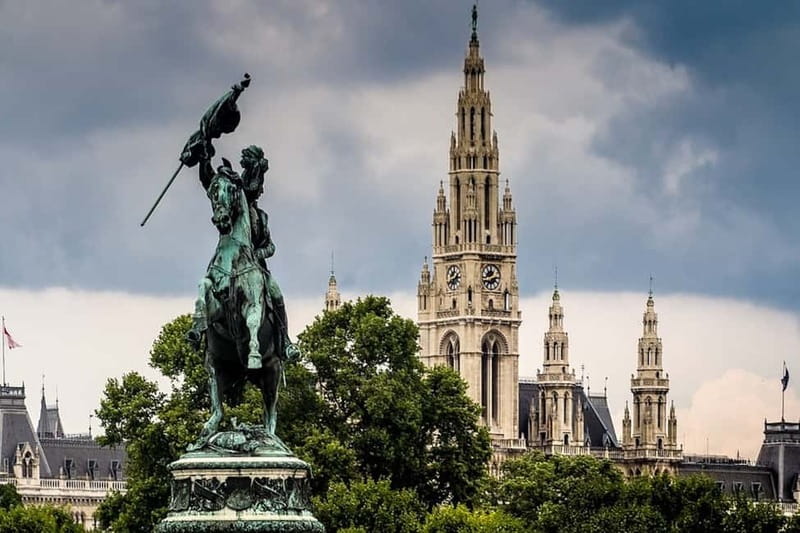
The route mentions the National Library and Welt Museum during this inner-city sweep. Even without going inside, you get a sense of scale and placement. That matters, because Vienna has a habit of rewarding the traveler who understands what is near what.
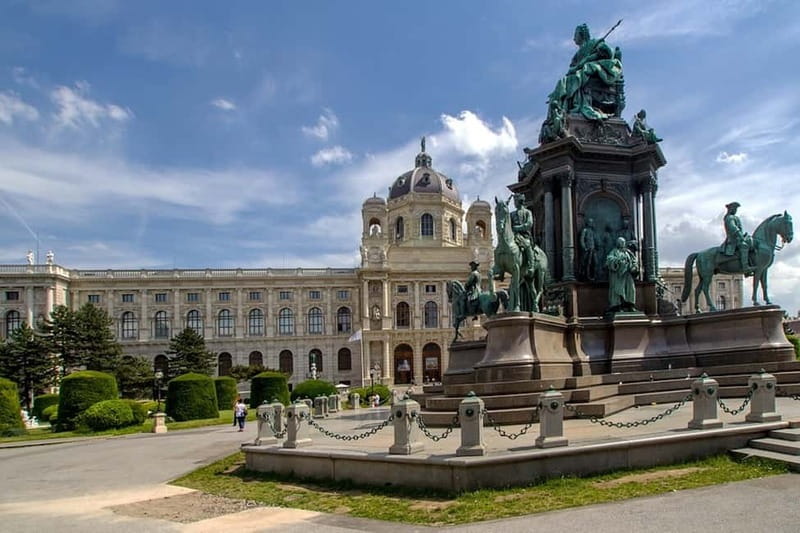
You will also pass Presidential Palace and see additional statue stops listed on the route, including the Prince Eugene Statue, Archduke Karl Statue, and the Maria Theresa Statue. A procession of named monuments is not just “sightseeing.” It is a structured way to read Vienna’s public spaces, where important figures are represented in stone right in the middle of everyday movement.
A small practical tip: if you are traveling with kids, these statue moments are often the easiest to “sell” as fun targets. Ask them to point out the big figure they recognize. It turns the ride into an interactive game without needing tablets.
Parliament, City Hall, and the university stretch for architecture lovers
Next, the tour moves toward civic-center landmarks: Parliament, Burgtheater, City Hall, and University, plus more named squares and street points. This is Vienna’s official face, and the car route lets you see how these buildings line up with the surrounding street grid.
Even if you do not plan to enter any of these during your trip, this segment gives you a strong sense of where Vienna’s cultural and political identity sits geographically. It is also ideal for architecture lovers because you can compare façade styles and building massing as the car turns and advances.
If you like to follow a “theory of the day” style approach, you can also treat this segment as your cue. After you see the civic block from the outside, you can decide whether you want a longer walking path later that day.
Back toward St. Stephen’s Cathedral and the café-and-music area
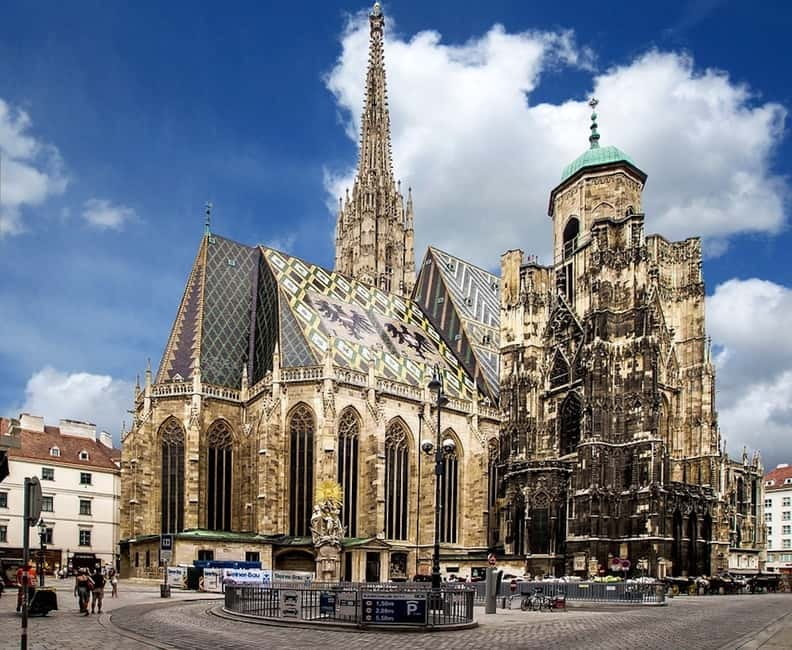
One of the most recognizable moments is when you move through the area of St. Stephen’s Cathedral. That stop is a great “anchor” for many itineraries because it signals you are closing in on the old-city pedestrian heart.
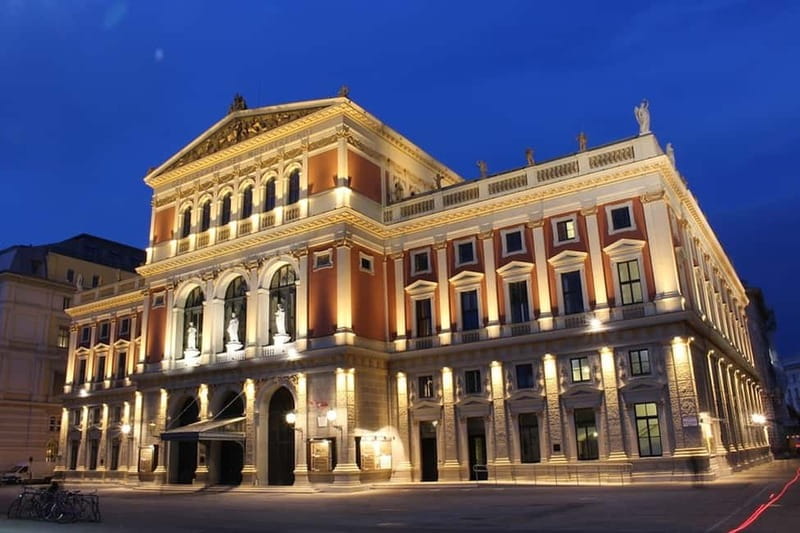
The route then continues along to City Park, and you will see named monuments and music venues such as the Johann Strauss Monument, Kursalon Hübner, Café Schwarzenberg, and Musikverein. This part of the loop helps you transition from the big imperial and civic names into the more strolling-friendly side of Vienna.
You also pass major hotel landmarks like the Hotel Imperial, Grand Hotel, Hotel Bristol, and the Hotel Sacher. This does not mean you will be checking into them, but you will understand where they sit and why they matter in the city’s geography and style.
From there, the tour heads back toward Herrengasse 12, ending the circuit where you started. That makes it easy to turn the rest of your day into a choose-your-own-adventure based on what stuck with you most.
Price and value: is $40 per person a smart deal?
At $40 per person for 90 minutes, this tour sits in the “worth it if you use it right” category. The value comes from three things you cannot easily replicate on your own as quickly.
First, you get a structured overview with narration while you sit comfortably in one vehicle. That saves time and makes the route feel coherent instead of random.
Second, the group limit to 10 people keeps it manageable. If you are the type who likes to ask questions or wants a human to react to your interests, a small group format matters.
Third, it is a practical first step. In your remaining time in Vienna, you will likely spend your energy on walking routes that you choose based on what you learned here. If you are visiting during colder weather, the ability to keep sightseeing without standing in the rain for long stretches is real value.
Who should book this electric old-timer tour, and who should skip it
I think this tour is best for you if you want to:
- Get oriented quickly in a city with a lot of famous stops
- Visit in winter or mixed weather and still keep your day moving
- See both the Ringstrasse grandeur and the old-city core without spending hours planning a route
- Travel as a family and want everyone to ride together in a small group
You might want to skip it if:
- You already have a deep Vienna map in your head and you prefer long, stop-by-stop deep visits right away
- You need lots of time inside buildings during the same outing, because the tour is designed around seeing many named landmarks from the route
Should you book this Vienna sightseeing tour?
If it is your first time in Vienna, I would book it. It is one of those experiences that helps you build a mental map fast, without turning your day into a logistics project. The electric old-timer style makes it comfortable, and the driver narration adds meaning to the names you will see all around town.
If you have limited time, this is also a strong pick. In 90 minutes you cover a wide sweep, including key anchors like the State Opera, Hofburg and Heldenplatz areas, Parliament, City Hall, St. Stephen’s Cathedral, and the music-and-park corridor. Then you can use what you learned to plan your next walk with more confidence.
FAQ
How long is the Vienna sightseeing tour in a classic electric old-timer car?
The tour duration is 90 minutes.
Where is the meeting point for the tour?
Meet at 1010 Vienna, Herrengasse 12, in front of the Hotel Radisson Blu.
What is the group size limit?
The tour is limited to a small group of up to 10 participants.
Which languages are available?
The live tour guide is available in English and German.
What is included in the price?
The price includes the tour and audio commentary by the driver.
Is the car electric?
Yes. The tour is described as an emission-free journey in an electric old-timer.
Are there shorter tour options?
You can book a nostalgic 60-minute tour as well.
What if the weather is bad?
You can go sightseeing no matter the weather, since the tour is structured around riding between sights.
Can I cancel for a full refund?
You can cancel up to 24 hours in advance for a full refund.
Latest Vienna reviews
- Vienna Food Tour: Dishes, Wine, Street Food & Culture★ 4.7 · 12 reviews
- Vienna: mumok Museum of Modern Art Entry Ticket★ 3.8 · 13 reviews
- eBike Vienna 90min guided tour – use ebike for the whole day★ 4.0 · 13 reviews
- A box for a romantic walk in the city center of Vienna★ 5.0 · 13 reviews
- Vienna: Austrian Wine Tasting★ 4.8 · 13 reviews
- Bratislava Private Tour from Vienna★ 4.5 · 13 reviews
- Small Group Half Day Tour from Vienna to Bratislava★ 4.0 · 14 reviews
- Private One Day Trip to Bratislava from Vienna★ 4.5 · 13 reviews
Tours, compared.
Schönbrunn Palace & Gardens Skip-the-Line Tour
Read our review →
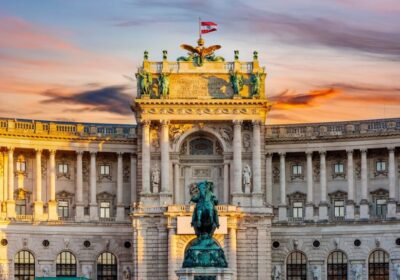
Skip-the-Line Sisi Museum, Hofburg and Gardens Tour
Read our review →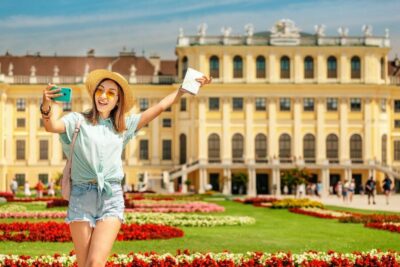
Skip-the-Line Schönbrunn Palace & Gardens Tour
Read our review →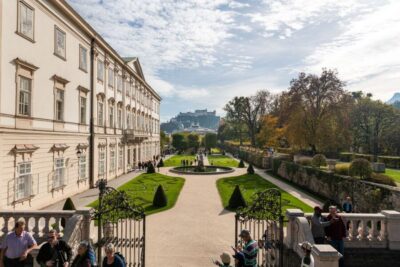
Guided Walking Tour of City Center Highlights
Read our review →