
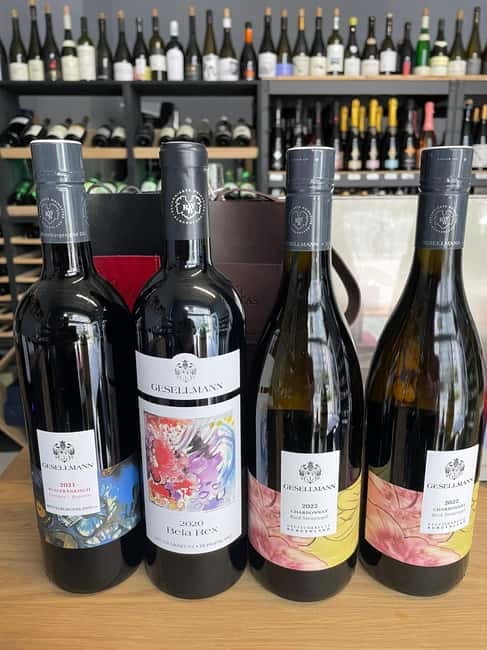
Reviewed · WINE TASTINGS
Vienna: Taste Austria the ABCs of Wine
A small group wine lesson in Vienna, hosted right in a local wine shop, is a great way to get past guessing and into understanding. This one is interesting because it connects Austrian wine regions to real flavors, not just fancy talk.
I like how the session is built around a guided tasting, so you taste as you learn. I also love the practical angle, especially the food pairing tips that help you understand why a wine works with salami, olives, and cheese. One consideration: the experience is listed as wheelchair accessible, but it also lists wheelchair users and people with mobility impairments as not suitable, so it is worth confirming with Weinrudi before you book.
Key highlights you will feel in the first 15 minutes
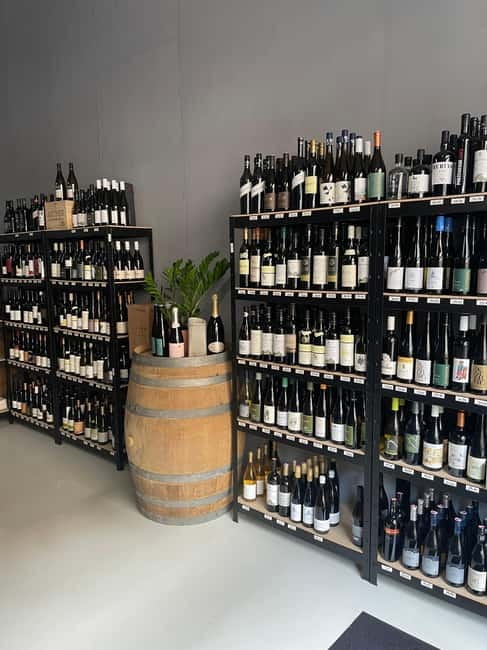
- A small group (up to 8) makes it easier to ask questions and get personal guidance
- The tasting is guided through Austrian regions, from classic Wachau styles to aromatic South Styria and Neusiedler See sweet wines
- You learn label basics for Steinfeder, Federspiel, and Smaragd, and what the Danube and soils mean for flavor
- You taste Wiener Gemischter Satz and other standout Austrian styles, not just the most obvious grapes
- You practice wine tasting with your senses, including aroma and taste, not only sniffing and guessing
- You pair wines with simple local bites to make the lessons stick fast
Why the Weinrudi Shop Tasting Works in Vienna
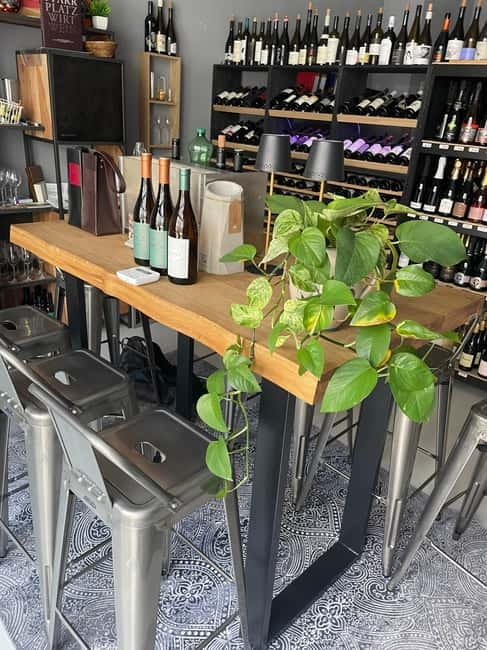
If you want wine in Vienna, you can do the big tourist thing, or you can do the smarter thing: go where wine people actually buy and talk. The Weinrudi tasting happens in a cozy local shop setting, so the experience feels grounded and calm. You are not trying to interpret a wine list while standing in a loud restaurant.
The format helps right away. With a small group limited to 8, you get space for questions, not just a passive pour every few minutes. And because the guide is named Rudi, you tend to get a warm, friendly rhythm, the kind that makes beginners comfortable and lets wine nerds go deeper if they want.
You will also appreciate the timing. At two hours, it is long enough to teach the basics, but short enough that you still have energy for Vienna’s streets afterward.
One practical note, since it matters: the meeting point is simply the shop, where the host waits. So plan to show up a few minutes early, take a breath, and settle in.
More Wine Tastings in Vienna:
- Wachau Valley Wine Tasting Bike Tour from Vienna
★ 5.0 · 829 reviews - Countryside Half Day Wine Tour near Vienna
★ 5.0 · 545 reviews - From Vienna: Half-day Countryside Wine Tour with Meal
★ 4.7 · 526 reviews
The Two-Hour ABC Plan, from Wiener Gemischter Satz to Sweet Neusiedler See
This session is built like a guided map of Austria. You start with an introduction to Austrian wine regions and varieties, then you move through specific styles that show how geography shapes the glass.
You begin with the art of wine tasting and a sensory approach. That matters, because Austrian wines can feel subtle if you only look for fruit. The session guides you through visual assessment and how to analyze aroma and taste, so you learn a repeatable way to evaluate what you are drinking.
Wachau starter, Wiener Gemischter Satz
You will taste Wiener Gemischter Satz, and the session focuses on why it can be so fresh and complex. This is one of those Austrian styles where the blend concept is not just marketing. It is a flavor lesson: you get to notice how freshness shows up, and how the mouthfeel and structure can feel more layered than you expect.
Learn the labels, Steinfeder, Federspiel, Smaragd
Then you shift into the classification terms Steinfeder, Federspiel, and Smaragd. The point is not memorizing words. It is understanding what they signal in the glass.
The guide also ties those classifications to the Danube and soil structures, so you can connect the bottle language to real causes. If you have ever felt overwhelmed by Austrian labels, this part helps you get your bearings fast.
Other Vienna bookings to compare
- Vienna: Swarovski House Tour with Champagne & Gift
★ 4.6 · 1,132 reviews - Grape Grazing: Wachau Valley Winery Biking Tour
★ 4.8 · 468 reviews - Vienna: Wine Tasting Experience in a Private Wine Cellar
★ 4.8 · 413 reviews - From Vienna: Wachau Valley Day Tour with Wine Tasting
★ 4.8 · 399 reviews
South Styria and aromatic Sauvignon Blancs
Next comes a different angle: aromatic Sauvignon Blancs from South Styria. You learn why the cool climate and steep slopes play a major role in how these wines taste.
This is useful because Sauvignon Blanc can be easy to stereotype. The session nudges you to pay attention to aromas and how the wine moves on the palate, so you can tell what is happening beyond the first whiff.
Neusiedler See, a red wine region plus sweet wine paradise
Then the session takes a turn that keeps it fun: you experience sweet wine styles alongside red wines from Neusiedler See.
You hear how the Pannonian climate shapes what you pour. And you taste Blaufränkisch, a red that can show both fruit and structure, plus Trockenbeerenauslesen, a noble sweet wine style. Together, they show the range of what Austria can do, from dry and spicy-leaning to intensely sweet and nuanced.
The mineral factor in Blaufränkisch
Finally, you get the “why” behind Blaufränkisch. The session explains how iron-rich soils can give these wines a mineral quality, along with spiciness and structure.
That part is surprisingly memorable. Mineral tasting can sound like wine mysticism, but you get a framework for noticing how the flavor texture feels, not just how it smells.
Decoding Austrian labels without turning your brain into a spreadsheet
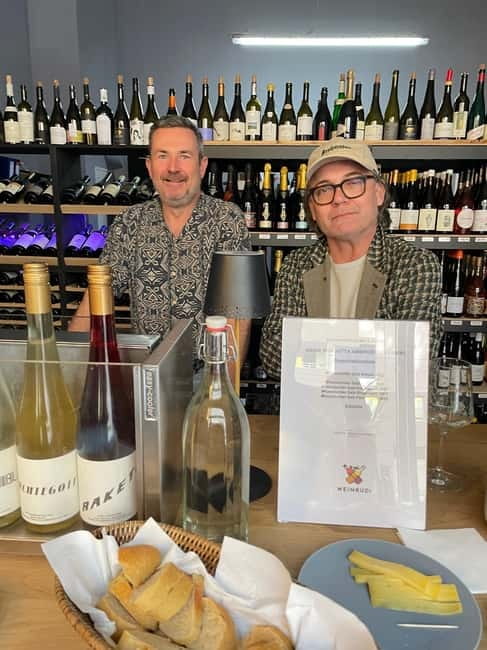
A lot of wine tours teach you what to drink. This one tries to teach you how to read what you are drinking.
The classification discussion for Steinfeder, Federspiel, and Smaragd is the clearest example. You do not just hear the names. You learn what the Danube and soil structures influence, which gives those labels meaning beyond translation.
Here is how I think about it, and why it helps you on future trips. When you understand the logic behind the bottle style, you spend less time praying you ordered the right thing and more time enjoying what shows up.
Also, the guide emphasizes tasting with your senses. That means you are trained to notice color, smell, and taste progression. Even if you forget the label names later, you will still remember how to evaluate freshness, aroma intensity, acidity feel, and how the flavors build or fade.
And because Rudi is interactive, you are not stuck with a one-way lecture. People in this group format can get answers fast, which is a big deal when you have a specific question about what you like and what you want next.
South Styria Sauvignon Blanc, the cool-slope story in your glass
South Styria Sauvignon Blanc is a smart choice for a Vienna wine tasting. It gives you a fresh contrast from the Wachau discussion and shows how Austrian wine can be aromatic without tasting sugary or generic.
The session points to cool climate and steep slopes as key drivers. Practically, what that means for you at the tasting table is that you can expect a certain lift in the aroma profile, and a palate that feels more precise than round.
This is also where the sensory training pays off. If you have never separated aroma from taste in a structured way, you will likely find this part easier than you think. The guide’s method helps you describe what you smell and then connect that to how the flavors land.
If you are the kind of traveler who usually orders by gut feel, you will probably walk out with a more confident ordering strategy. You will know what to look for when you spot Austrian Sauvignon Blanc on a list.
Neusiedler See: Blaufränkisch, Trockenbeerenauslesen, and why the sweetness does not feel random
Neusiedler See is where the tour turns into a real “range” experience. You go from red wine character into sweet wine styles, and the session explains the link through the Pannonian climate.
You taste Blaufränkisch, which the session connects to iron-rich soils and a mineral, spicy structure. Then you also taste Trockenbeerenauslesen, a noble sweet wine style that shows how Austria can go beyond dry.
What I like about this approach is that it prevents the common beginner mistake. Some people assume Austrian wine is only crisp whites or only serious classics. Here, you see that Austria can do bold structure in reds and complex sweetness in the same region story.
And the guide’s sensory tasting approach makes the sweetness easier to understand. Instead of just thinking, Sweet. Next, you get a way to evaluate how the sweetness interacts with texture and aromatic intensity. That helps you decide what kind of sweet wine you genuinely enjoy, rather than what you think you should like.
Food pairing in a local shop, salami, olives, and cheese that teach you fast
The tasting is not only about wine in a vacuum. You get food pairing tips and sample bites, including salami, olives, and cheese. That is a big practical advantage if you plan to eat your way through Vienna after.
Food helps you test your assumptions. Salami adds salt and fat. Olives bring briny punch. Cheese can swing from creamy to firm. When you pair these with the wines in your tasting, you start to notice what acidity does, what bitterness or spice does, and how aroma intensity changes once there is food in the picture.
This is also a good way to learn what you personally like. If a wine feels too sharp on its own but smoother with cured meat, you learn your own pattern. Then, on your next dinner, you can order with confidence.
One more benefit: pairing tips are usually the fastest way to convert a wine lesson into something you can use at home. You do not need a wine cellar to apply this. You need a grocery store, a few bites, and your new tasting habits.
Price and value of an 81 USD, two-hour experience
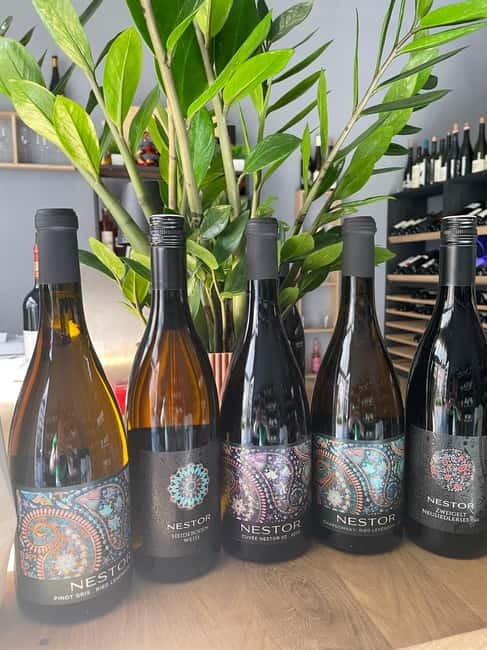
At $81 per person for about two hours, you are paying for more than the wine. You are paying for:
- A guided tasting session across multiple Austrian regions
- An introduction to varieties and classifications
- Food pairing tips you can actually use
- Expert sharing from the host, Rudi
What you are not paying for is transportation to and from the venue, and personal bottle purchases. That is normal for wine tastings, but it matters for budgeting. If you are someone who buys bottles after tasting, you might spend extra. On the flip side, if you are just building knowledge, the base experience already gives you plenty to learn.
Value also comes from the small group size. When the limit is 8 participants, the guide can spend more time helping individuals. That usually makes the tasting feel less like a conveyor belt and more like a conversation with structure.
If you are new to Austrian wine, this is a good price point because you are getting an organized overview with tastings that explain the logic. If you are already fluent in Austrian wine, you might still like it for the classification walkthrough and the focused region selection.
Practical details that help your evening go smoothly
Languages
The guide offers English, Portuguese, and German. So even if your German is rusty, you are covered.
What to bring
Bring comfortable shoes, a camera if you like photos, and water. You will be tasting multiple wines, so hydration helps.
What is not allowed
Smoking is not allowed.
Who the tasting is built for, and who should check first
The session requires participants to be at least 18 years old. It also lists not suitable for pregnant women, children under 18, people with mobility impairments, wheelchair users, and people with a cold.
At the same time, it is marked wheelchair accessible. That mismatch is the one thing I would not ignore. If accessibility or health is part of your decision, email or call Weinrudi and ask how they handle these situations in practice for this exact session.
Also, if you or a travel companion is sick, expect that it is not a good fit. The condition list specifically mentions people with a cold.
Should you book Vienna: Taste Austria the ABCs of Wine at Weinrudi?
Book it if you want a fast, structured way to understand Austrian wine, without needing prior knowledge. This is especially worth it if you like the idea of tasting across regions like Wachau, South Styria, and Neusiedler See, and learning how classifications such as Steinfeder, Federspiel, and Smaragd connect to flavor.
Skip it, or at least confirm details first, if you fall into one of the listed restriction categories, particularly mobility-related needs or if you are currently dealing with a cold. Also, if you want a super casual “just pour wine” evening with no teaching component, this one may feel more educational than you expected.
If you are on the fence, here is my simple rule: if you want to leave with tasting skills you can reuse next week, this session is a strong choice. If you only want to drink, you might be happier elsewhere.
Latest Vienna reviews
- Private tour of Hallstatt and Salzburg through beautiful Alps★ 5.0 · 3 reviews
- Vienna: Vienna under the Nazis, Private Walking Tour★ 1.8 · 3 reviews
- Magical Vienna Christmas Market Tour – 2 Hours★ 2.7 · 3 reviews
- Vienna: Mythos Mozart Experience Ticket& Guided Walking Tour★ 2.5 · 3 reviews
- Vienna: Private tour Mauthausen and Linz★ 4.1 · 3 reviews
- Vienna Private Schönbrunn Palace Tour, Extra Rooms and Gardens★ 5.0 · 3 reviews
- Skip-the-line Belvedere Palace Guided Tour with Transfers★ 5.0 · 3 reviews
- Schoenbrunn Palace Skip-The-Line and Vienna Highlights Private Tour★ 4.5 · 3 reviews
Wine Tastings, compared.
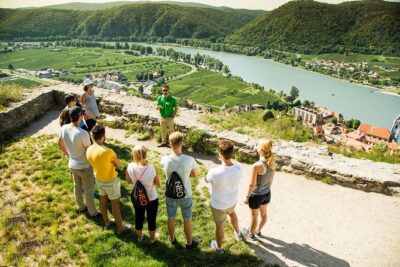
Wachau Valley Wine Tasting Bike Tour from Vienna
Read our review →
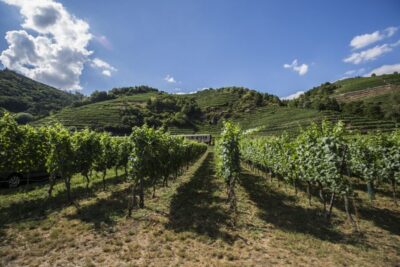
Grape Grazing: Wachau Valley Winery Biking Tour
Read our review →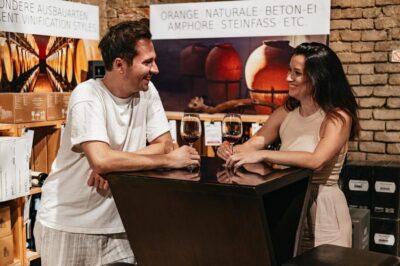
Wine Tasting Experience in a Private Wine Cellar
Read our review →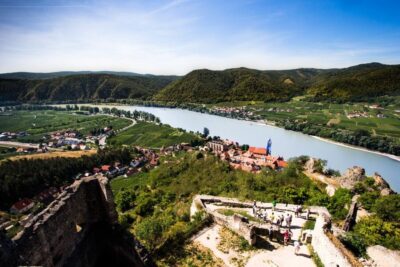
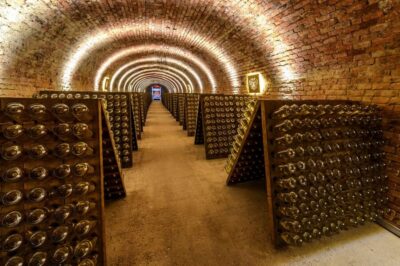
Schlumberger Wine Cellar Guided or Self-Guided Tour
Read our review →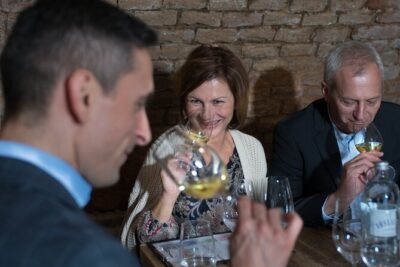
Browse the lists this tour appears in