
Reviewed · WALKING TOURS
Vienna: World War II Historical Walking Tour
This WWII walk through Vienna is interesting because it links the city’s streets to the human choices that helped Adolf Hitler gain traction. I love how the tour starts right by the Albertina and Opera House, so you get instant context for the Vienna he tried to claim as his cultural backdrop.
I also like the stops that do not look away, the surviving synagogue and the Holocaust memorial, which bring the political story down to real lives and real loss. One thing to consider: the topic is heavy, and the tour runs 150 minutes on foot, so plan for breaks and bring weather-appropriate layers.
You’ll be guided by an English-speaking local who tells the story with care. From the names that often lead groups, guides like Dieter, Stefan, Wolfgang, Florian, Michael, and Charlie are praised for clear pacing, room for questions, and a tone that stays respectful even when the history turns dark.
Key highlights you will feel on the walk
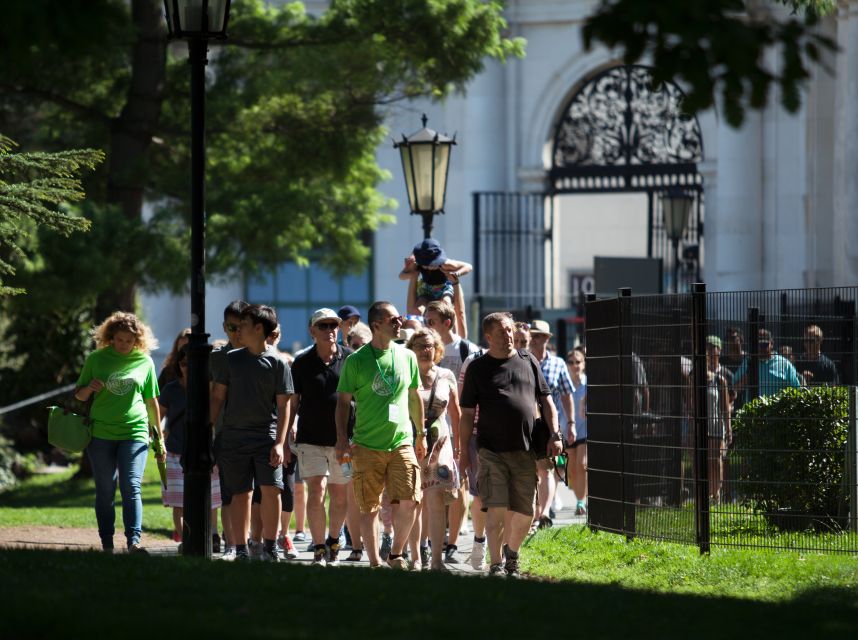
- Green umbrella meeting point at the Albertina Opera edge: Find the green umbrella at Albrechtsbrunnen, by the fountain downstairs at Albertina, next to the Opera House.
- Hitler’s Vienna, explained as a social and political climate: You get the “how” behind ideology, not just dates.
- The scale of destruction from over 100,000 bombs: The guide ties bombing to what it changed in daily city life.
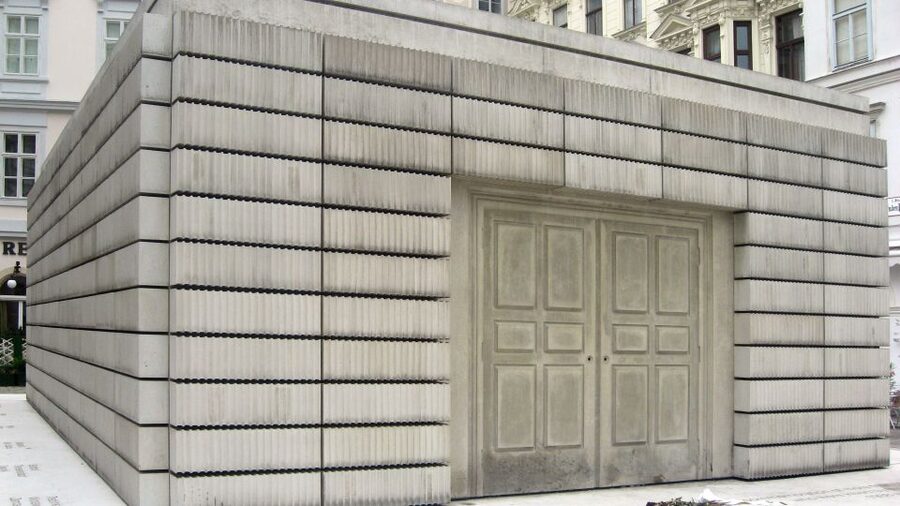
- The only synagogue that survived the Nazi regime: A powerful stop that turns abstract history into place-based memory.
- A somber Holocaust memorial visit: You slow down here, because the story demands attention.
- After-war division and Allied occupation geography: Vienna’s postwar layout is explained in a way that makes the city easier to read.
Why This WWII Walk Starts at the Albertina and Karlsplatz/Oper
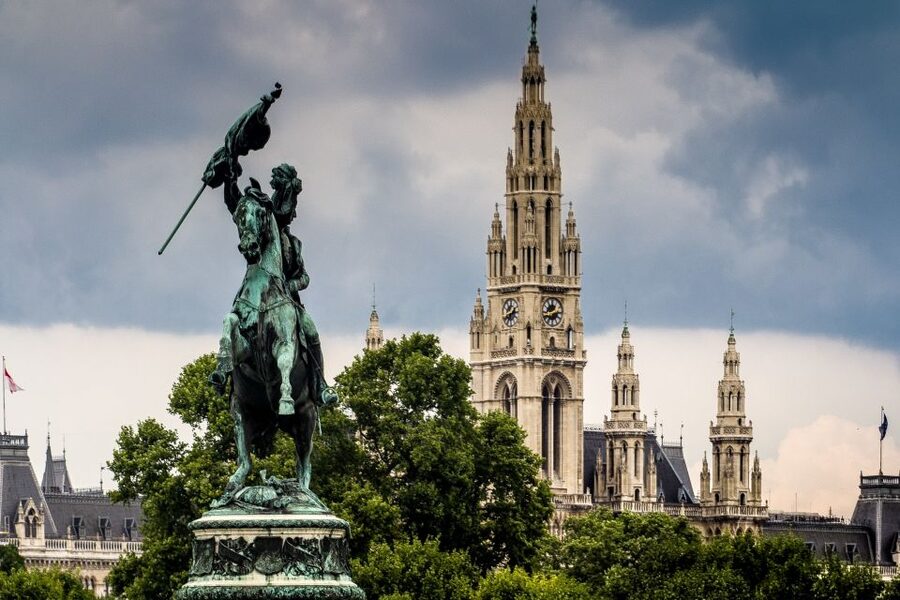
The experience begins in a smart place: outside the Albertina Museum area, right by Vienna’s Opera House zone. Your meeting point is specific, so you can get there without stress. Look for the green umbrella in front of Albrechtsbrunnen, at the fountain downstairs at the Albertina Museum, beside the Opera House. If you are using transit, the subway stop is Karlsplatz/Oper.
Starting here matters because it sets the tone. Vienna is famous for beauty and culture, but the walk uses those same streets to show how politics can grow in everyday surroundings. You are not touring in the abstract. You are watching the city’s identity shift in real time, from prewar atmosphere to wartime damage to postwar division.
The tour lasts 150 minutes, so think of it as a focused half-session rather than a loose sightseeing stroll. I like that it is long enough to build a narrative, yet short enough that you can still do other things the rest of the day.
And practical tip: this is a walking tour, so plan for streets, small weather changes, and the fact that you will be standing at times. Some guides in this format are known for adjusting with the weather and building pauses, so you are not just marching nonstop.
More Walking Tours in Vienna
- Vienna: Guided Walking Tour of City Center Highlights
★ 4.7 · 4,989 reviews - Vienna: Vienna Central Cemetery Guided Walking Tour
★ 4.8 · 3,307 reviews - Vienna: Guided Walking Tour of City Highlights & Hidden Gems
★ 4.9 · 2,180 reviews
Hitler’s Vienna: How the City Shaped His Early Mindset
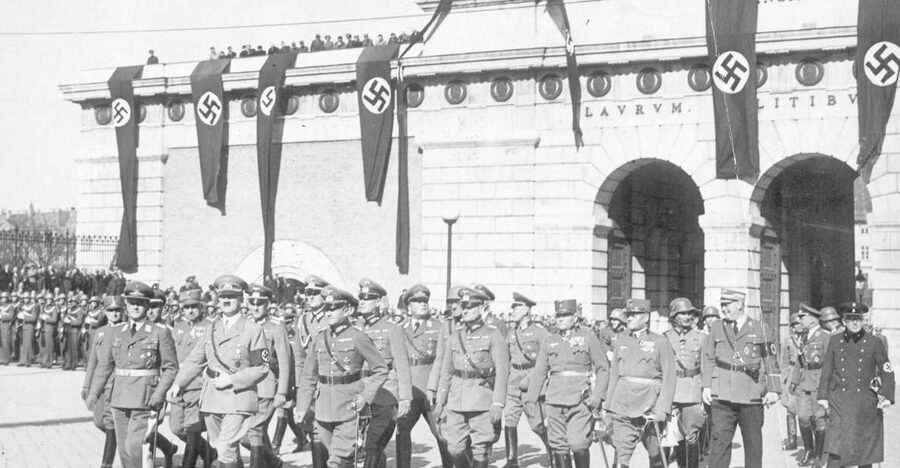
One of the clearest parts of this tour is its emphasis on how Vienna’s social and political climate helped shape the mind of a young Adolf Hitler. Instead of only covering major events, the guide frames the background: what people believed, what fears circulated, and what tensions made extremist ideas feel plausible to some.
You will learn about Hitler’s early years and his ideology, and you will see how the art student became the feared dictator. That transition is handled as a story of ideas gaining force, not as a sudden magic trick. If you have read a little about Hitler, you’ll still get value here because you are matching his rise to a city context, not just a biography.
A key theme that comes up is fear, especially where ethnic rivalry and anxiety took hold in Vienna. The guide connects those social pressures to what followed later. That does not excuse anything. It explains how ordinary life can be bent toward destructive outcomes.
I also appreciate the way many of the leading guides keep the narrative “askable.” People are encouraged to ask questions, and names like Dieter and Stefan are repeatedly praised for being engaging and responsive. So if you want to understand the emotional and political logic of the era, you actually get a chance to interrogate the story as you walk.
WWII in Street Form: Over 100,000 Bombs and Visible City Scars
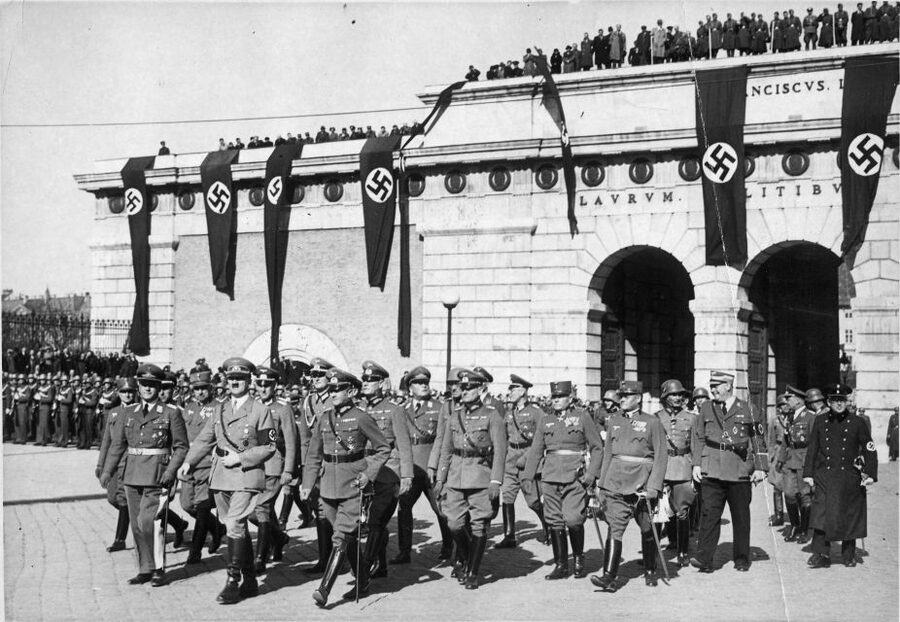
War is not only fought in history books here. You get a sense of war as damage you can point at. The tour explicitly covers the effect of over 100,000 bombs on Vienna, and it uses that scale to explain what it meant for the city physically and psychologically.
You’ll hear how bombing changed the rhythm of urban life. Think: disrupted routines, fear, loss, and the way a city starts to look different when destruction becomes part of the backdrop. That is where the walking format helps. When you are standing in the same kind of street scenes, the story feels more concrete.
The guide also talks about the scars of WWII and the remains of the divided city after the war. Even if you are not a detail hunter, you’ll be given a lens for noticing. You learn what to pay attention to, so you are not just walking past buildings and hoping history appears on cue.
One downside to be aware of: the tour does not shy away from grim realities. If you prefer light city entertainment, this one can feel emotionally intense. But if you want context that sticks, it is hard to beat a guided walk that pairs scale (100,000 bombs) with place.
One Surviving Synagogue and a Holocaust Memorial Stop Worth Your Full Attention
Two stops carry a heavy weight. First is the synagogue described as the only one that survived the Nazi regime. Second is Vienna’s somber Holocaust memorial.
These locations are valuable for a simple reason: they anchor the story in specific memory. The tour does not treat Judaism only as a victim category or the Holocaust only as a concept. It points you toward surviving physical reminders, then follows with a place designed to hold mourning and reflection.
I like that the guide frames these stops as part of the same chain of events. Ethnic rivalry and fear in Vienna do not remain abstract. They link to what happened to the city’s large Jewish community. The walk connects ideology to consequences.
Because the subject is sensitive, pacing matters. Some guides are noted for pausing, adjusting to weather, and maintaining a tone that is sympathetic and respectful. That matters here more than most tours, because you want time to process.
Practical advice: plan your emotional bandwidth before you go. If you arrive hungry, caffeine can help, but do not rush this stop. Treat it like a moment where you are allowed to slow down and absorb.
More Historical Tours in Vienna:
- Vienna: Time Travel and Magic Vienna History Tour
★ 4.6 · 3,879 reviews - Vienna Historic Center Small Group Walking Tour
★ 5.0 · 1,746 reviews - Time Travel-Magic Vienna History Tour Ticket
★ 4.5 · 1,099 reviews - Skip-the-Line Schonbrunn Palace Guided Tour and Vienna Historical City Tour
★ 3.5 · 940 reviews
After 1945: Vienna’s Divided City and the Allied Occupation Story
World War II does not end when the shooting stops. This tour makes sure of that by explaining how Vienna was divided after the war, including the detail that it was the only city in the world where the Allied powers managed a zone together.
That fact is more than trivia. It helps you understand why Vienna developed a unique postwar identity. The city’s geography became a kind of political language. Lines on maps translated into day-to-day reality, and that reality shaped how different groups experienced power, safety, and rebuilding.
As you walk, the guide points out the remains of that division. You are not expected to memorize a Cold War diagram. Instead, you are shown how the city’s layout and history connect.
This is where the tour feels especially useful if it is early in your trip. It helps you read Vienna after you learn the story. Later, when you see neighborhoods, institutional buildings, and the rhythm of streets, you will understand better why they look the way they do and what they represent.
How the Tour Works on Foot: Audio, Pacing, and Comfort for 150 Minutes
This is a 150-minute walking tour, and the format is designed to keep you from feeling lost or straining your ears.
A common feature is audio support. Multiple participants mention a headset or ear piece system, and that can be a game changer on busy city streets. With audio help, you do not need to hover three feet from the guide to catch every word.
Pacing also seems intentional. Some guides are described as building in stops to sit, pausing for shelter when rain hits, and finding warm places when weather is cold. There are even mentions of restroom and snack breaks, which is the kind of practical detail that makes a history tour actually work.
Distance is another point to consider. One review notes about 4 kilometers in the full 2.5 hours. That is not huge, but it is still real walking. I’d plan for it like you would any city day walk: comfortable shoes, a warm layer if you are touring in winter, and an attitude of expect standing time at key points.
Also note the flow: you may not return to the exact starting spot at the end. A metro stop is described as close by after the tour, so you should be able to continue your day easily.
Price and Value: Getting More Than a Quick WWII Summary for $31
At $31 per person for a 150-minute live guided walk, this is priced like a solid, mid-range history experience. The value comes from what you get for the money, not from the fact that it is cheap.
You get:
- a live English guide
- a structured route with major WWII and Holocaust-linked stops
- historical context tied to place, not just a lecture
- audio support mentioned in multiple group experiences
What is not included is also important. Entrances to attractions are not included. That means if any stop requires a ticket for entry, you may need to handle it separately. If you prefer tours that handle everything, this is something to note in advance.
The emotional and educational value can be high, especially if you want the Austrian angle, not only the generic WWII storyline. Guides are repeatedly praised for sensitivity and for connecting details into a coherent narrative with moral weight, so it does not feel like a checklist of sites.
Who Should Book This Walking Tour (and Who Might Skip It)
This tour is a strong match if you:
- want a Vienna perspective on WWII rather than a purely military timeline
- care about the connection between society, politics, and the rise of a dictator
- like guided explanation that helps you interpret what you are seeing on the street
- enjoy asking questions and getting context in plain language
It is also a good idea if you like “orientation tours” early in your trip. Once you understand where the city’s WWII scars and postwar division fit, you can navigate Vienna with more meaning.
You might consider skipping if you:
- want a lighter day focused on art galleries and cafés
- are not comfortable with heavy Holocaust content
- have very limited stamina and do not want to plan for a continuous walk, even with built-in pauses
A helpful reality check: one participant with mobility limitations described the walk as doable thanks to pacing and breaks. That does not make it universally accessible, but it suggests the tour can be adaptable in the real world.
Final call: Should you book this WWII historical walking tour?
I’d book it if you want an organized way to understand how Vienna’s streets connect to the rise of Nazism, wartime destruction, and postwar division. The combination of a surviving synagogue, a Holocaust memorial, and the city’s WWII scars gives you both evidence and context in one route.
Do it if you will feel better with a guide’s narrative than with reading alone. And if you go in with comfy shoes, weather-ready layers, and the willingness to slow down for the solemn stops, you will get far more than a sightseeing walk.
If the subject matter feels too heavy for your trip mood, then choose a different kind of Vienna day. But if you are ready for a serious, place-based history lesson, this is a strong option.
FAQ
How long is the Vienna World War II historical walking tour?
It lasts 150 minutes (about 2.5 hours).
How much does it cost?
The price is $31 per person.
Where do I meet the guide?
Meet the guide by the green umbrella in front of Albrechtsbrunnen, the fountain downstairs at the Albertina Museum, next to the Opera House. The nearby subway stop is Karlsplatz/Oper.
What language is the tour in?
The tour is in English.
What is included in the tour price?
You get a live guide and a walking tour.
Are attraction entrances included?
No, entrances to attractions are not included.
What stops and themes should I expect?
You’ll visit a synagogue that survived the Nazi regime, a Holocaust memorial, and WWII-related sights showing scars and the remains of Vienna’s postwar division, including the Allied occupation zone detail.
Will I be able to hear the guide?
Many groups mention using ear pieces or headsets, which help you hear the guide clearly while walking.
Is cancellation allowed?
Yes. You can cancel up to 24 hours in advance for a full refund.
Can I reserve without paying right away?
Yes. There is a reserve now, pay later option, where you can book your spot and pay nothing today.
Latest Vienna reviews
- Vienna Food Tour: Dishes, Wine, Street Food & Culture★ 4.7 · 12 reviews
- A box for a romantic walk in the city center of Vienna★ 5.0 · 13 reviews
- Vienna: mumok Museum of Modern Art Entry Ticket★ 3.8 · 13 reviews
- eBike Vienna 90min guided tour – use ebike for the whole day★ 4.0 · 13 reviews
- Bratislava Private Tour from Vienna★ 4.5 · 13 reviews
- Vienna: Austrian Wine Tasting★ 4.8 · 13 reviews
- Private One Day Trip to Bratislava from Vienna★ 4.5 · 13 reviews
- Best of Vienna Tour in TUK TUK!★ 5.0 · 14 reviews
Walking Tours, compared.
Guided Walking Tour of City Center Highlights
Read our review →
Guided Walking Tour of City Highlights & Hidden Gems
Read our review →
Vienna Historic Center Small Group Walking Tour
Read our review →
Ghosts and Legends Guided Nighttime Walking Tour
Read our review →Browse the lists this tour appears in