
Reviewed · WALKING TOURS
Vienna Art Nouveau Walking Tour
This tour is interesting because Vienna turned everyday transit into a showcase for Art Nouveau ideas and design. I love how it connects the city’s late-1800s growth to the Vienna metro transformation, and I love that you get to stand in front of the architecture and understand why Otto Wagner made it so recognizable. One caution: you will likely spend a fair chunk of the time walking, and two key stops have extra ticket costs if you want inside access.
I also like that the guide keeps things practical and readable, not just art talk. If you hate buying timed-entry style tickets on your trip, plan on paying extra for the Secession House on the days it includes Klimt’s Beethoven Frieze, and also for the Otto Wagner Pavillon. I’d call it worth it, but budget the add-ons.
Key reasons to do this Vienna Art Nouveau tour
- Otto Wagner’s metro vision, explained in plain terms, from suburb to city center
- Art Nouveau details you can actually spot, not vague style talk
- Karlsplatz to Stadtpark to Kettenbrücke, with a “best preserved” station on the route
- Secession House, Jugendstil at full strength, plus optional Klimt’s Beethoven Frieze depending on day
- An imperial-station visit, including why it was built to win over critics
Why Vienna’s metro is the perfect Art Nouveau story
Vienna’s late-19th-century boom wasn’t just about fancy buildings. The city’s population grew fast, suburbs expanded, and leaders needed public transport that could knit everything together. What makes this tour special is that you do not treat the metro as background. You treat it as a design project with a mission.
Otto Wagner was the architect chosen for the job, and his aim was not shy. He wanted stations that looked like they belonged to Vienna’s modern, cosmopolitan identity, easy to recognize, and built to signal progress. He used the international avant-garde language of Art Nouveau, often called Jugendstil in Vienna, and then pushed it toward something unmistakably Viennese.
That matters for you because the tour gives you a way to read the city. Once you understand the idea behind the lines, you start seeing symbolism, materials, and proportions as deliberate choices rather than random decoration.
More Walking Tours in Vienna
- Vienna: Guided Walking Tour of City Center Highlights
★ 4.7 · 4,989 reviews - Vienna: Vienna Central Cemetery Guided Walking Tour
★ 4.8 · 3,307 reviews - Vienna: Guided Walking Tour of City Highlights & Hidden Gems
★ 4.9 · 2,180 reviews
Price and value for a focused 3-hour itinerary
At $176 per person for a 3-hour guided tour, this is not the cheapest way to spend an afternoon in Vienna. But the value is that you get a historian guide for the full window, and you cover multiple major Art Nouveau landmarks tied to Wagner’s metro story.
Here’s the practical math you should consider before booking:
- The tour price includes the guided experience and commentary, not the admissions.
- You may need to pay extra for the Otto Wagner Pavillon and for the Secession House.
- The payoff is time efficiency. Instead of hunting down stations and explaining style choices to yourself, you follow a route that is built around understanding.
If you like your Vienna with a theme, and you want to leave with a clear mental map of Jugendstil and Wagner’s role, this price starts to make sense.
Café Museum start: get your bearings before the architecture begins
The tour meets at Café Museum, Operngasse 7, in central Vienna. Starting here is smart because it puts you in the city’s heart and gives you an easy landmark before you start walking and transferring.
You’ll get guided orientation early, which helps because Art Nouveau in Vienna can feel like a lot at once. The goal is not just to see pretty facades. It’s to understand the ideological underpinnings behind the style, including what materials and symbols designers favored and why.
This is also where a good guide can change your experience. In past tours, guides like Peter have been praised for being approachable and answering questions well, including how different communities expressed identity through architecture. If you enjoy asking follow-ups, this start sets you up to do it.
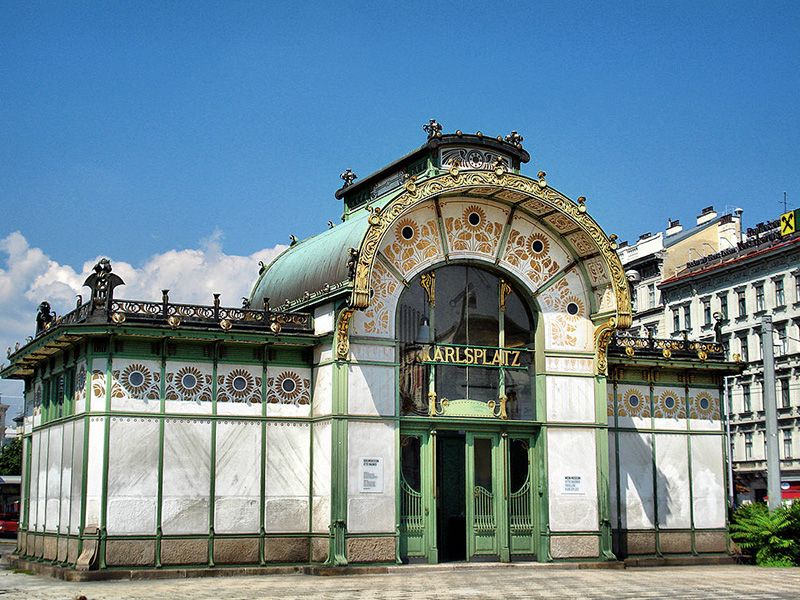
Otto Wagner Pavillon Karlsplatz: where the design mission clicks
From the pavilion at Karlsplatz, you’ll visit the small Wagner Museum area and then connect the walking part of the route to the metro stations you’ll study. The key idea here is that the pavilion is not a random stop. It’s the gateway to understanding Wagner’s overall metro concept.
A useful heads-up: admission to the Otto Wagner Pavillon is not included in the tour price. So if you want that inside time, budget for it ahead of your day.
Why this stop matters for you is that it frames what you are about to see. Wagner’s metro design was meant to be:
- iconographic, meaning it communicates its identity quickly
- easy to recognize, so stations do not blend into the street
- connected to Vienna’s idea of cosmopolitan modern life
Once you grasp those goals, you start noticing how the style shows up in shape, ornament, and visual rhythm, and you can compare it to the “more bourgeois” look that critics were pushing against.
A different sort of Vienna day:
- Vienna: Vivaldi’s Four Seasons Concert in Karlskirche
★ 4.7 · 14,951 reviews - Vienna: Spanish Riding School Training
★ 3.9 · 9,281 reviews - Vienna: Skip-the-cashier-desk-line Giant Ferris Wheel Ride
★ 4.5 · 7,859 reviews - Vienna: Schönbrunn Palace & Gardens Skip-the-Line Tour
★ 4.7 · 7,739 reviews
Stadtpark station: the best-preserved metro chapter
After Karlsplatz, the walking portion takes you to Stadtpark station. The standout detail here is that Stadtpark is described as the best-preserved of the original metro stations still in use.
That is great for your visit because you can focus on authentic features without wondering what’s been replaced or simplified. Even if you are not an architecture nerd, preserved means you get to see how the original designer’s language holds up over time.
During this stretch, your guide will keep linking the dots: why the line mattered, how the Ringstrasse corridor fit into connecting suburbs, and how Art Nouveau became a visible argument for modern Vienna. This kind of explanation is what turns a station visit from a photo stop into a story you can remember.
Secession House on the walk to Kettenbrücke: Jugendstil at its most iconic
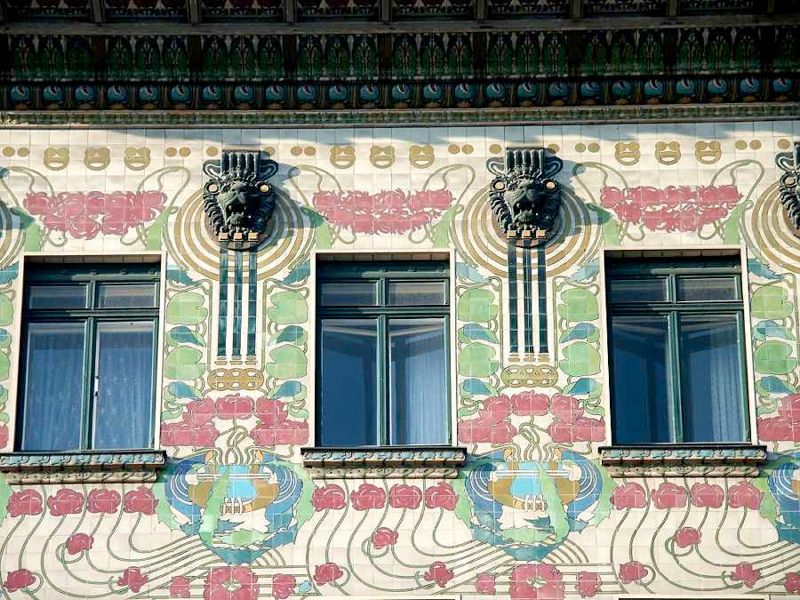
Along the route toward Kettenbrücke, you’ll visit or pass by the Secession House, the icon par excellence of Viennese Jugendstil. If you have ever seen photos of the building’s unmistakable style, this is where it stops being an image and becomes a full architectural experience.
This is also where your day of the week can change what you see. If your tour runs Tuesday through Sunday, you will visit the Secession House to see Gustav Klimt’s famous Beethoven Frieze. The entrance to the Secession House is not included in the tour price, with ticket costs listed as €9.50 for adults and €6 for students and seniors. Your guide can help you pay when it’s part of your visit.
One practical tip: plan for inside time here if Klimt matters to you. The frieze adds emotional and artistic weight to the design story. Art Nouveau in Vienna is not just lines and ironwork, it’s also symbolism and a belief that art can speak to society.
And if Klimt is not your priority, you still get the payoff of seeing Jugendstil architecture in its proper setting, not as a diluted style pasted onto something else.
Otto Wagner apartment houses: the style in everyday life
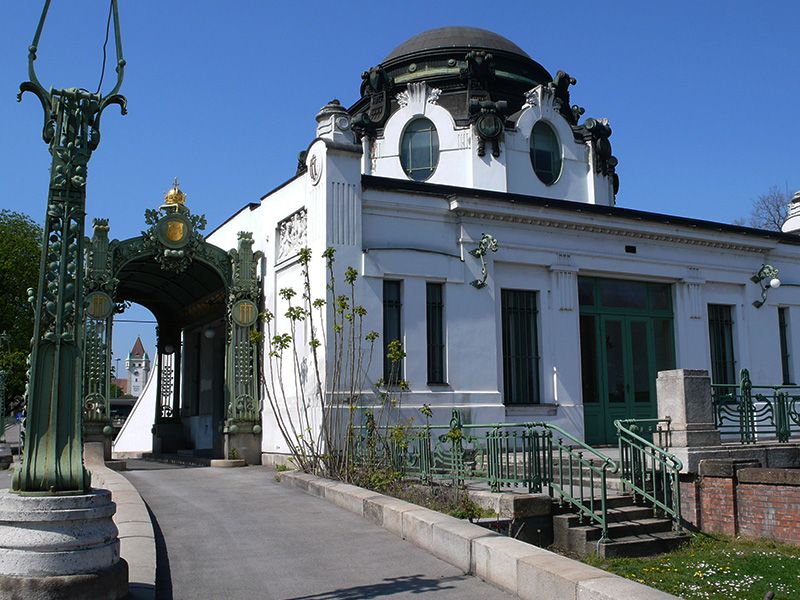
On the way you’ll also see two apartment houses designed by Otto Wagner. This is one of those moments that quietly upgrades the tour. You get to see that Jugendstil did not stay locked in galleries and monuments.
When you look at these homes with a guide’s commentary in mind, you can start spotting how Wagner adapted Art Nouveau principles to residential living. That is the point. The style was meant to be part of modern life, not only something you visit.
This also helps you understand a theme the tour emphasizes: the philosophy behind Art Nouveau, including the symbols and materials designers relied on. You will leave with a sharper eye for what is intentional.
Kettenbrücke and the metro shift: where design meets movement
Kettenbrücke is your next metro stop, and it’s an important transition point because it takes you from street-level walking to the “let’s ride” part of the lesson. If you like understanding a system, this helps. You experience the city’s transport rhythm while you connect it back to Wagner’s original plan.
The guide’s job here is to keep your attention on how station design communicates identity as people flow through the space. It’s not just about how stations look. It’s about how they perform as public spaces.
This is also where the tour’s tempo becomes obvious. Expect a mix of:
- walking segments between key architecture
- short metro rides to reposition quickly
- guided stops focused on what you can see and why it matters
The imperial station near Schönbrunn: why the emperor entered the argument
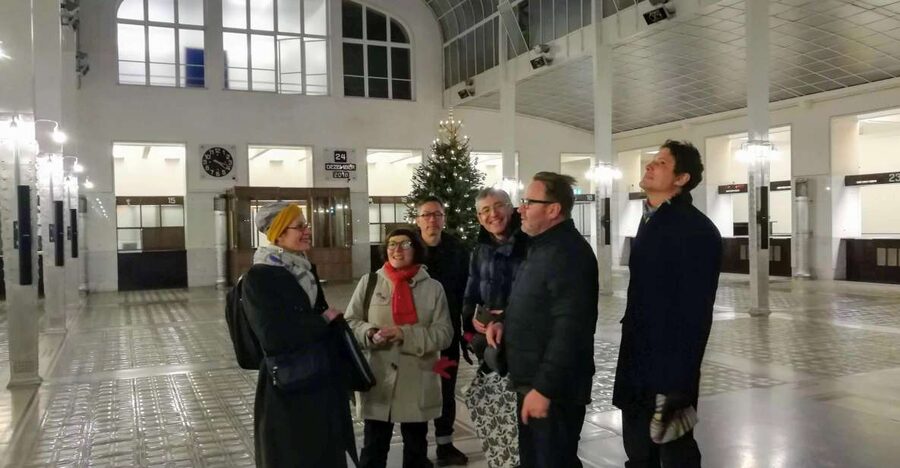
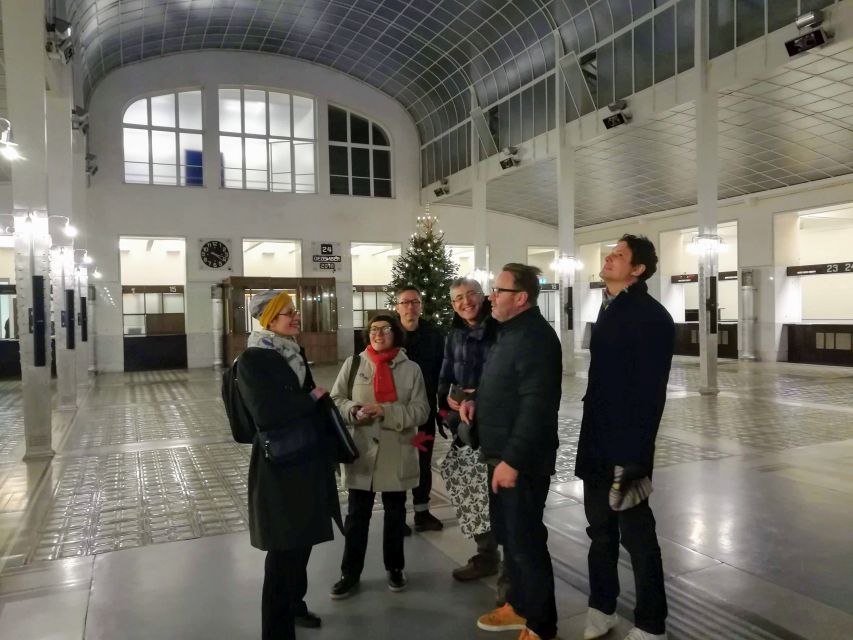
From Kettenbrücke, you step onto the metro for the last stop, an imperial station built outside Schönbrunn so the emperor could use it. This stop is described as the crown jewel of the line, and it includes an extra layer of symbolism.
The station’s purpose was not only functional. It was meant to show critics that the emperor supported the metro line. Wagner had to translate Art Nouveau, which can feel bourgeois to some observers, into something with imperial grandiosity.
This matters for you because it shows how architecture adapts to power and public debate. You’re not just learning style. You’re learning how design gets used to persuade.
If you’re the kind of traveler who likes to connect culture to politics, this is one of the most satisfying parts of the tour. The building becomes an argument in stone, metal, and space.
Guides make or break an architecture tour, and here that’s real
A big reason this tour earns strong ratings is the guide quality. People have praised guides like Wolfgang for being enthusiastic, very knowledgeable, and able to tailor the tour when the group is tiny. In one case, a small group meant the route could match exactly what the couple wanted to see, and that included a lot of walking.
Another common theme is responsiveness to questions. Guissepina has been described as friendly and attentive, with solid knowledge of Art Nouveau. And Peter has been praised for answering lots of history and architecture questions, including how the guide connected design to hidden houses of worship like Jewish synagogues.
Even if your day is not guided by those specific expansions, the overall lesson is this: ask questions. If you’re curious about why certain details appear on facades or how a style signaled modern identity, this tour is built for conversation.
What you should be ready for on the ground
This experience is hands-on in the best way: you stand in front of key buildings, you walk the route between them, and you use the metro as part of the educational arc. The route is not just “look, photo, move on.”
That said, be realistic:
- You’ll walk a lot between the stops.
- You may add ticket costs if you want the inside access parts.
- You need to keep your eye on details while moving, which means comfortable shoes help.
If you like architecture but also need a relaxing pace, consider going into the day with flexibility. The route is structured for learning, and stopping to examine takes time.
Who this tour suits best
This tour fits you well if you:
- want to understand Vienna’s Art Nouveau in context, not just as pretty facades
- like Otto Wagner and want to see how his ideas show up across the city
- enjoy transport history and how a metro system reshapes a place
- want a guided route that hits major sites efficiently, including the Secession House
It may be less ideal if you:
- only want outdoor sightseeing with no ticket extras
- hate walking
- prefer self-guided browsing where you linger at your own pace
For most people who care about design and want a clear storyline, it’s an excellent afternoon plan.
Should you book the Vienna Art Nouveau Walking Tour?
I think you should book it if you want a focused Vienna experience that ties together metro history, Otto Wagner’s vision, and the best Jugendstil architecture. The $176 price feels fair when you factor in the full 3-hour historian-led format and the fact that you’re not just hopping between landmarks, you’re learning the “why” behind them.
Book it especially if Klimt’s Beethoven Frieze is on your list, since Tuesday through Sunday tours include the Secession House visit for that. Just remember the ticket for the Secession House is extra, and the Otto Wagner Pavillon also has an admission cost.
If you’re unsure, pick the day you’ll enjoy most inside access. And then bring comfortable shoes, because this one turns Vienna into a walkable classroom.
Latest Vienna reviews
- Vienna Food Tour: Dishes, Wine, Street Food & Culture★ 4.7 · 12 reviews
- eBike Vienna 90min guided tour – use ebike for the whole day★ 4.0 · 13 reviews
- A box for a romantic walk in the city center of Vienna★ 5.0 · 13 reviews
- Vienna: mumok Museum of Modern Art Entry Ticket★ 3.8 · 13 reviews
- Bratislava Private Tour from Vienna★ 4.5 · 13 reviews
- Vienna: Austrian Wine Tasting★ 4.8 · 13 reviews
- Private One Day Trip to Bratislava from Vienna★ 4.5 · 13 reviews
- Best of Vienna Tour in TUK TUK!★ 5.0 · 14 reviews
Walking Tours, compared.
Guided Walking Tour of City Center Highlights
Read our review →
Guided Walking Tour of City Highlights & Hidden Gems
Read our review →
Vienna Historic Center Small Group Walking Tour
Read our review →
Browse the lists this tour appears in