
Reviewed · WALKING TOURS
Vienna: City Center Guided Walking Tour
Vienna can feel like a museum you have to decode. This city center guided walking tour turns the imperial highlights into a clear, on-foot route you can actually understand in one go. You get the big landmarks, then the small human stories that make them click.
I like that the tour connects places you will keep seeing later, starting with the Ring Road and ending near St. Stephen’s Cathedral. I also love the practical setup: a licensed local guide plus headsets, so you are not straining to hear in crowds.
The only catch is simple: this is a moderate walk and it is not a good fit if you have mobility limits. You will be outside in all weather, so dress for wind, cold, or heat.
Key highlights worth showing up for
- Maria-Theresien-Platz start right by Empress Maria Theresa, with an easy meeting point between two major museums
- Ring Road and garden detour through the Volksgarten rose garden and onward to Heroes Square
- Hofburg and Burggarten context on how the Habsburgs lived, ruled, and relaxed
- Augustinerkirche and Napoleon’s wedding link gives you a surprising turning point in imperial life
- Spanish Riding School and Opera sights plus Beethoven’s Eroica connection near Lobkowitz Palace
- Classic coffeehouse stops, including Hotel Sacher and its sacher torte tradition
A smart way to orient yourself in Vienna’s imperial center
What makes this walk appealing is the way it stitches together Vienna’s “greatest hits” into a route that feels logical. You start in the grand cultural zone, move around the Ring Road, then work your way toward the historic core where you can keep exploring after the tour ends.
I also like that it is not only monuments for monuments’ sake. The guide ties the sights to the people tied to them: Habsburg power, court ceremony, and even the music world. If you have ever felt overwhelmed by Vienna’s layers, this kind of guided path is how you get your bearings fast.
Finally, it is priced in a way that makes sense if you value a local brain. At $74 per person for about 150 minutes, you are paying for a licensed guide and clear audio via headsets. Entrance fees are not included, so think of this as a guided orientation plus views, not a ticket package.
More City Tours in Vienna
- Vienna: Guided Walking Tour of City Center Highlights
★ 4.7 · 4,989 reviews - Vienna: City Cruise with Optional Lunch
★ 3.4 · 3,982 reviews - Vienna: City Cruise
★ 3.3 · 2,978 reviews
Getting going at Maria-Theresien-Platz (and hearing every word)
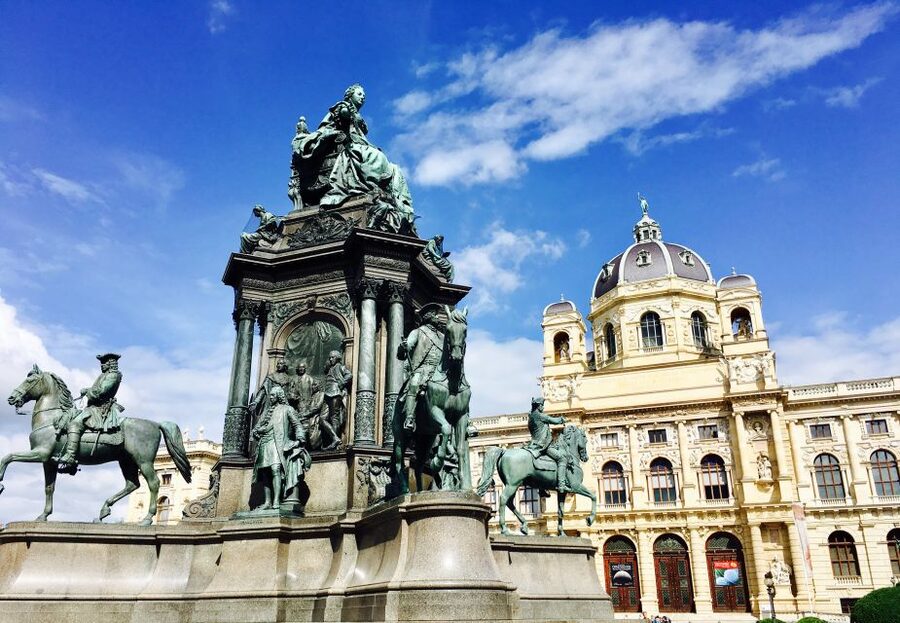
Meeting is straightforward. You meet your guide by the statue of Empress Maria Theresa on Maria-Theresien-Platz, on the side facing the Kunsthistorisches Museum and the Naturhistorisches Museum. The guide holds a green sign that reads Vienna City Walking Tour.
This matters more than you might think. That statue spot is a natural landmark, and it keeps you from wandering in the wrong direction while your time ticks by. It also puts you in a good position to begin the walk toward the Ring Road.
For transit, the nearest metro is Station Volkstheater on line U3. The nearest tram stops are Burgring (lines D, 1, 2, and 71). If you are arriving by tram, it is easy to hop off and head straight to the square.
Once you start, you get headsets. That is a big deal on a city center walking tour. You will be walking close to traffic and in open spaces where sound can bounce. With the headsets, you can actually follow the guide’s stories without turning it into a guessing game.
Ring Road classics, the Volksgarten rose garden, and Heroes Square
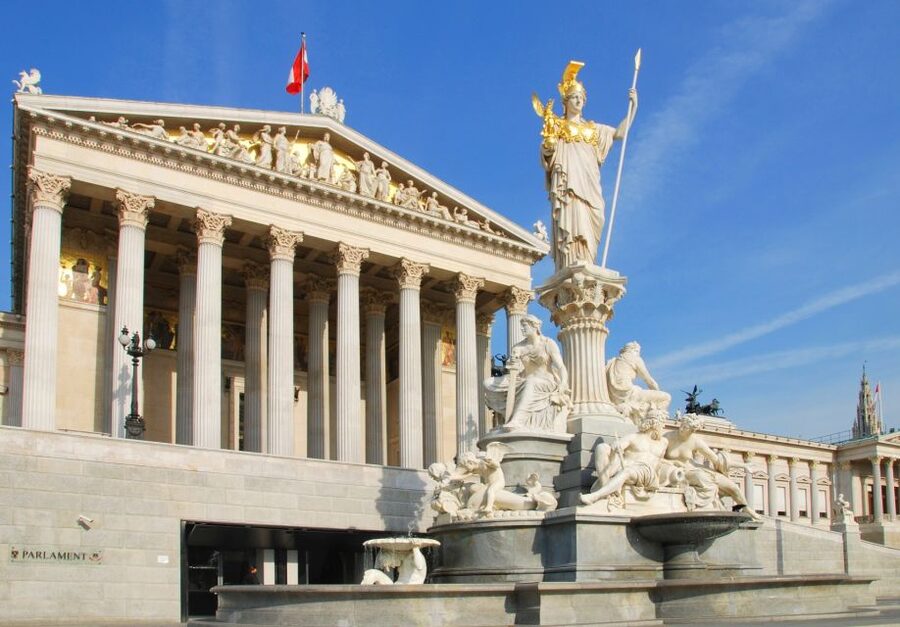
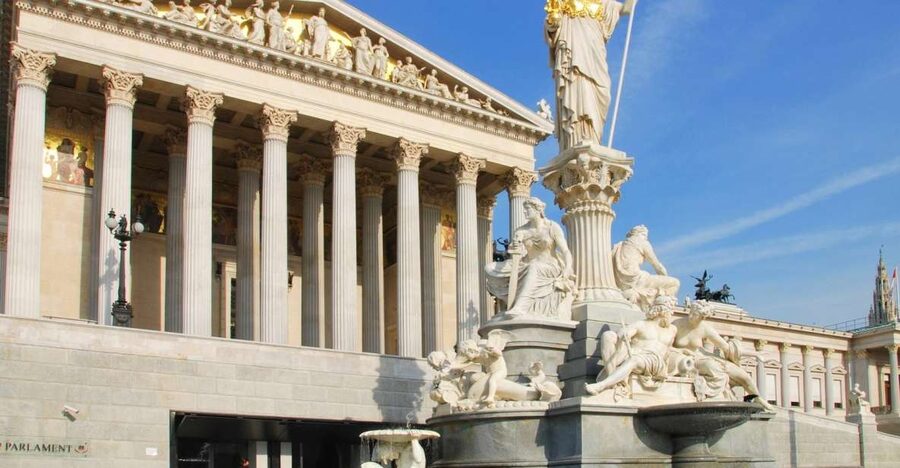
After meeting, the tour heads along the famous Ring Road that circles the historic center. Even if you have seen photos, walking this stretch helps your brain map Vienna. The Ring Road is where the city’s imperial-era architecture comes into view in a sweeping, grand way.
From there, you go into green space with the rose garden of the Volksgarten. This is one of those stops that feels like a palate cleanser. You get a break from the heavy stone energy, and you get a chance to slow down, look around, and connect what you are hearing to what you are seeing.
Then you continue to Heroes Square. It is another big visual moment, and it helps you understand how Vienna uses monumental public spaces to communicate status and identity. You do not need a special ticket to appreciate this area, and the guided context helps you read the symbolism instead of just taking selfies.
Hofburg Palace and Burggarten: Habsburg power plus private calm
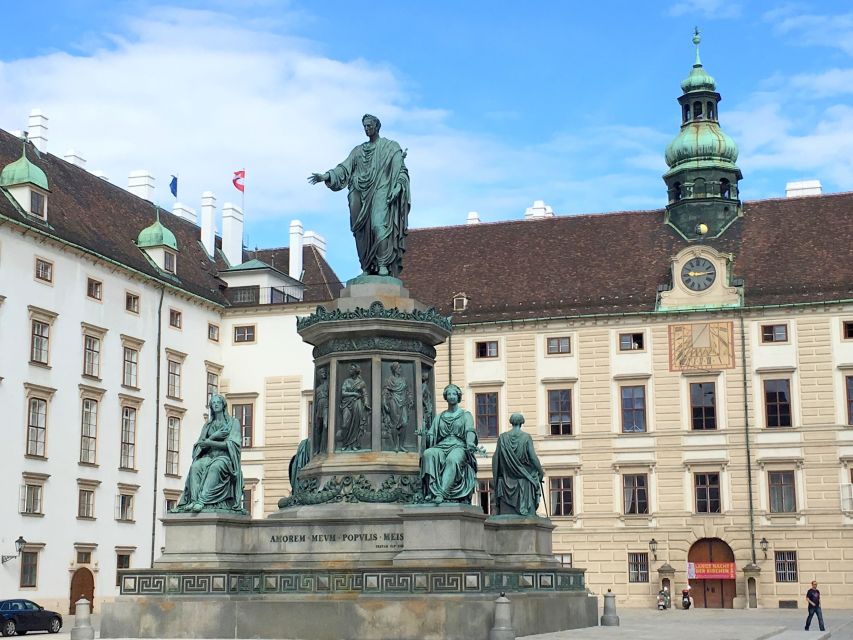
The walk brings you to the Hofburg Palace, the imperial residence where the Habsburg family ruled. Seeing Hofburg from outside is still worthwhile, because the guide’s stories help you understand why this area is more than a pretty facade. It is a political center that shaped Europe’s court culture for generations.
You also get time near the Burggarten, including the emperor’s private garden and the former butterfly house. This is the sort of contrast I love in Vienna. You can go from public authority to a more intimate, curated space in the same day. It also makes the imperial story feel human, not only official.
If you are the type who wants to understand how daily life worked behind the palace walls, this section delivers. The guide focuses on what these places meant for the ruling family and how the spaces supported their roles. It helps you grasp why Vienna feels so ceremonial, even today.
One practical note: this part of the day can involve more stops where you stand and look. Wear shoes that handle uneven paving, and be ready for light climbs and turns.
More Walking Tours in Vienna
- Vienna: Vienna Central Cemetery Guided Walking Tour
★ 4.8 · 3,307 reviews - Vienna: Guided Walking Tour of City Highlights & Hidden Gems
★ 4.9 · 2,180 reviews - Vienna: Viennese Underworld Guided Walking Tour
★ 4.7 · 1,865 reviews - Vienna: World War II Historical Walking Tour
★ 4.8 · 1,772 reviews
Augustinerkirche and Napoleon’s marriage to Marie Louise
Next comes Augustinerkirche, a church closely tied to imperial weddings. This stop is one of the more dramatic story points on the route because it links Vienna’s court life to events well beyond Austria.
The key moment here is that Napoleon married Princess Marie Louise at this church. Even if you know the name from textbooks, hearing it tied to the physical location makes the whole episode feel less abstract.
What you gain from a guided stop like this is context. Vienna’s imperial sites can feel like they were built for pageantry, but the guide shows how real political alliances played out through ceremony. It gives you a reason to pay attention, not just a place to pass.
Spanish Riding School, the State Opera, and Beethoven’s Eroica connection
The tour then moves to the home of the legendary Lipizzaner horses at the Spanish Riding School. You are not being asked to buy into a ticketed show here. Instead, you get the meaning behind the institution, why it mattered, and how it fits Vienna’s image as a center for refined performance.
After that, you see the Vienna State Opera House. Even from the outside, it is easy to understand why opera is part of Vienna’s identity. This is the kind of landmark that makes you want to plan your next visit around performances, not just sightseeing.
Then the route includes Lobkowitz Palace, where Beethoven first conducted his Eroica symphony. This is a particularly satisfying stop if you like music or want to connect Vienna to something more than royalty. A city can be gorgeous and still feel distant, but Beethoven makes it immediate. You are standing in the orbit of a real cultural moment.
I like how this segment balances different kinds of “art power”: court ceremony, horse tradition, opera, and symphonic music. Vienna did not separate these worlds neatly, and the guide helps you see that.
Hotel Sacher, Graben, and finishing near St. Stephen’s Cathedral
Now for the sweet side. The tour passes some elegant coffee houses, including Hotel Sacher, where sacher torte is still served. You do not have to buy anything on the spot, but knowing where the cake tradition comes from changes how you read the coffeehouse scene.
Coffee houses in Vienna are not just places to grab a drink. They are social hubs, debate spaces, and a big part of why the city feels like it has a slower rhythm. Even if you only take a quick look, this stop adds a taste of everyday Vienna to the palace-heavy route.
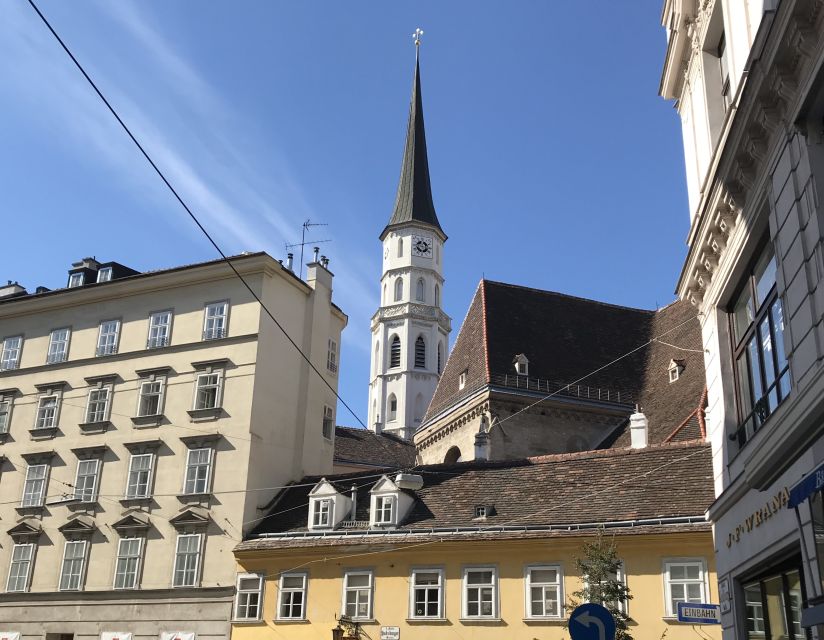
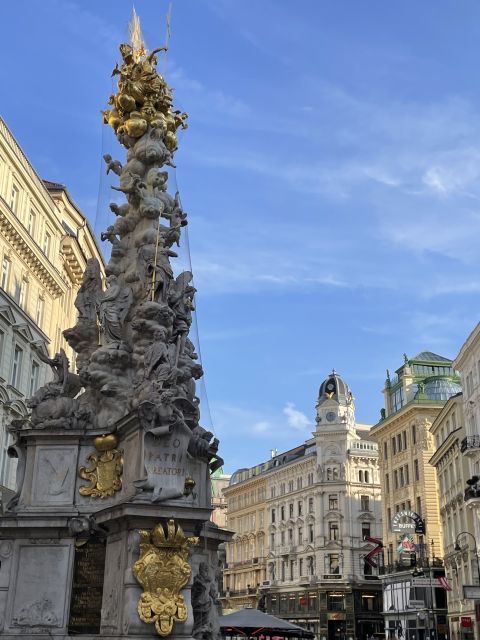
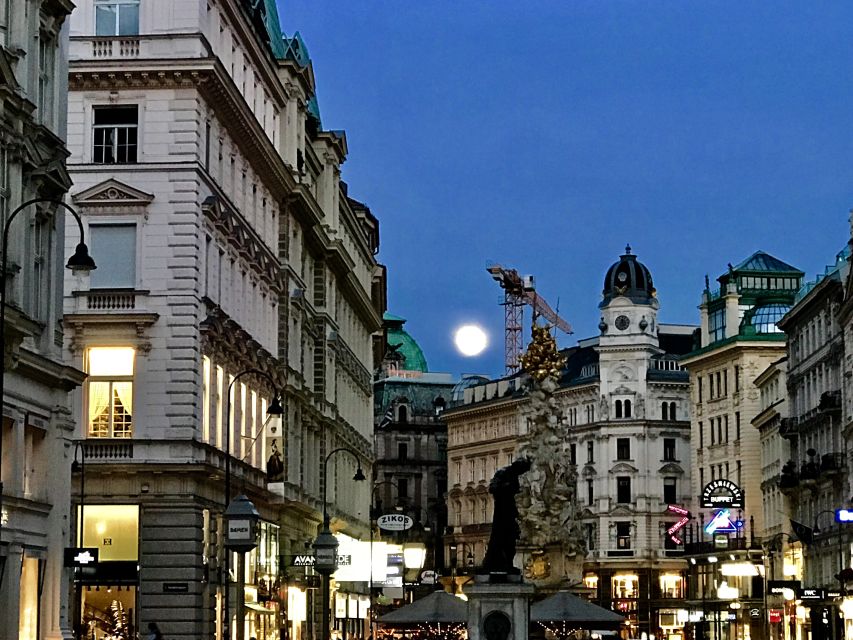
Then you head along Graben, an elegant shopping street. This is a smart way to keep your momentum without turning the day into a single long march of monuments. It also places you closer to the energy of the historic core where you can branch out afterward.
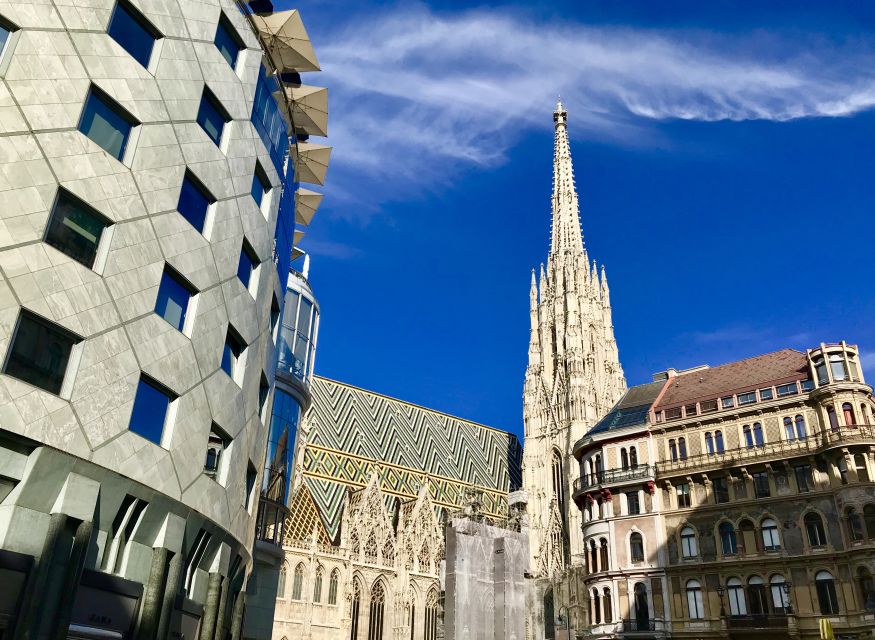
The tour ends next to St. Stephen’s Cathedral. That ending point is practical because it is an anchor for the rest of your day. Once you are nearby, you can decide whether to keep walking through side streets, plan a closer look at the cathedral area, or switch to more relaxed café time.
Pace, weather, and what to wear for 150 minutes
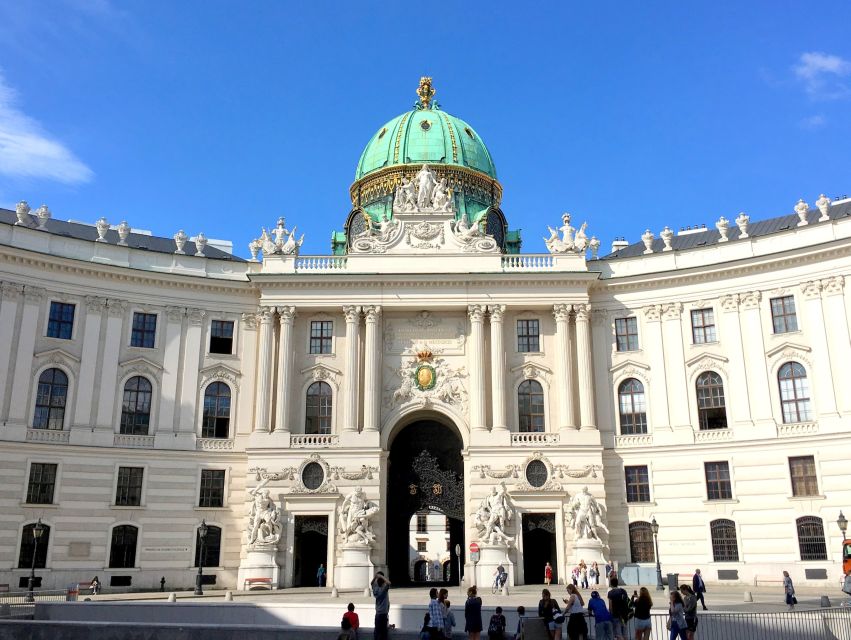
This tour lasts 150 minutes, and it involves a moderate amount of walking. In plain terms, you should plan for regular city center pacing with standing moments at key sights.
It runs in every weather condition. That means you need to dress for the day you actually get, not the ideal version in your head. In winter, cold can feel sharper in open areas with tall buildings, so bring layers and something that handles wind.
Also, bring water if you are visiting in warmer months. One guide in the past was especially attentive about shade and refill times, which tells me the better guides watch the weather and energy level closely. You can help by coming prepared, especially if you burn out easily in heat.
Group size, guide style, and why headsets matter
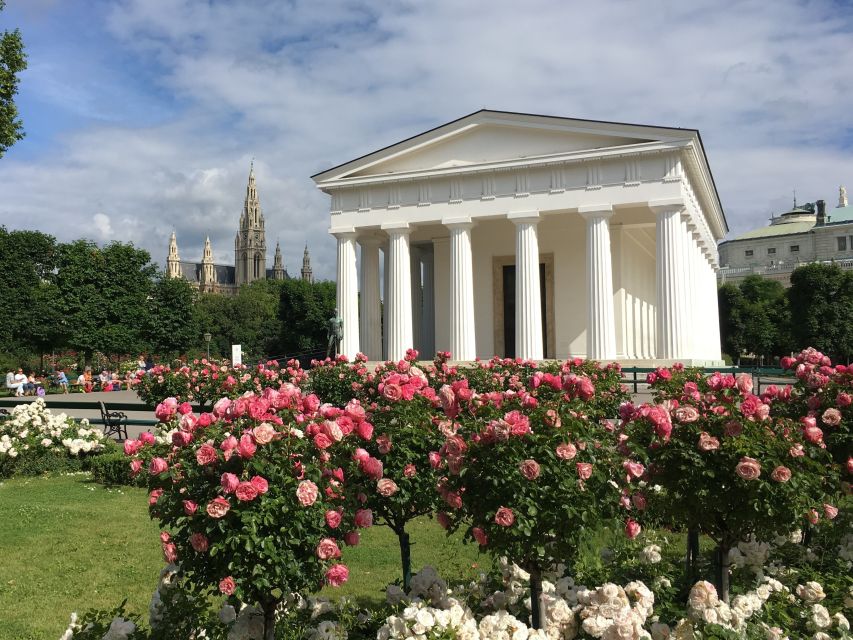
This is a small-group tour with no more than 15 people. That size is big enough to feel social, but small enough for the guide to manage questions and regroup without the “herding cats” vibe.
The guide is licensed and the tour language is English. You will also use headsets, which makes a real difference when the group spreads out slightly to see buildings from different angles.
The reviews are loud on one point: the guides keep the tone light while still covering serious material. Guides named Dace and Alex were praised for humor, easy explanations, and strong question handling. One review also mentioned extra audio as part of the experience, and that lines up with the overall idea that hearing matters on this route.
If you want a tour that feels like a conversation with structure, this is the format that usually works best.
Who should book this Vienna walk, and who might skip it
This tour is perfect for first-time visitors who want an organized overview of Vienna’s core. It is also a good choice if you like art and architecture but want human stories tied to the buildings.
It is not suitable for people with mobility impairments. Also, luggage or large bags are not allowed. Unaccompanied minors are not allowed, and children must be accompanied by an adult.
If you are traveling with kids, it can still work, but plan for patience and the fact that it is outdoors with walking. If your group wants a fully ticketed day with interior access at multiple sites, this might feel more like orientation plus exterior viewing. Entrance fees are not included, so you would need to plan those separately.
Value check: Is $74 worth it for this 2.5 hour route?
At $74 per person for about 150 minutes, you are paying for three main things: a local guide, headsets for clear audio, and a curated route that hits major imperial landmarks without wasting time guessing where to go next.
I think this price makes sense if you are the kind of traveler who likes to understand what you are seeing. Without a guide, Vienna’s center can look like a collection of beautiful facades and random church names. With the guide, each stop becomes a clue in a bigger story, including the Hofburg context, the Augustinerkirche wedding connection, the Spanish Riding School tradition, and Beethoven’s Eroica link near Lobkowitz Palace.
If you prefer to wander on your own and you already know the details of Habsburg Vienna, the cost might feel less justified. But for most people, a guided hit at this duration is a smart way to compress planning time and reduce “where do we go next” stress.
Should you book this Vienna City Center walking tour?
Book it if you want a small-group, first-timer-friendly walk that gives you a clear route through the imperial center. You will get major landmarks, meaningful context, and the practical advantage of headsets so the guide’s explanations stay clear.
Skip it if you need step-free mobility access, if you are traveling with large bags, or if you want a fully interior, ticket-heavy sightseeing day. In that case, you might be happier with a different format that matches your pace.
If you do book, wear comfortable shoes, bring layers for the weather, and use the last stretch near St. Stephen’s Cathedral to keep exploring on your own with confidence.
Latest Vienna reviews
- Vienna Food Tour: Dishes, Wine, Street Food & Culture★ 4.7 · 12 reviews
- eBike Vienna 90min guided tour – use ebike for the whole day★ 4.0 · 13 reviews
- A box for a romantic walk in the city center of Vienna★ 5.0 · 13 reviews
- Vienna: mumok Museum of Modern Art Entry Ticket★ 3.8 · 13 reviews
- Vienna: Austrian Wine Tasting★ 4.8 · 13 reviews
- Bratislava Private Tour from Vienna★ 4.5 · 13 reviews
- Private One Day Trip to Bratislava from Vienna★ 4.5 · 13 reviews
- Best of Vienna Tour in TUK TUK!★ 5.0 · 14 reviews
Walking Tours, compared.
Guided Walking Tour of City Center Highlights
Read our review →
Guided Walking Tour of City Highlights & Hidden Gems
Read our review →
Vienna Historic Center Small Group Walking Tour
Read our review →
Browse the lists this tour appears in