

Reviewed · WALKING TOURS
Salzburg Introduction Walking Tour
Salzburg can look like a picture postcard, but what makes this walking tour interesting is how it turns the city into a timeline you can actually follow on foot. I love the small-group feel and how the guide uses real places to explain music, politics, and everyday life. I also love the old-town route that hits Getreidegasse, baroque squares, St. Peter’s Abbey, and the Mozart highlights in one smooth run. The main drawback to consider is that this is not a quiet, sit-down museum lecture, so if you want a perfectly linear talk with nonstop context, the pacing might feel different than you expect.
You start at Linzer G. 39, 5020 Salzburg, and the tour typically runs about 2.5 hours with either a morning or afternoon departure. It is priced at $180.21 per person, and that cost makes sense only if you value a professional, scholarly guide and want the orientation that helps the rest of your Salzburg days click. If you are mostly after self-paced wandering or you only care about one theme, you might do better with something simpler and cheaper.
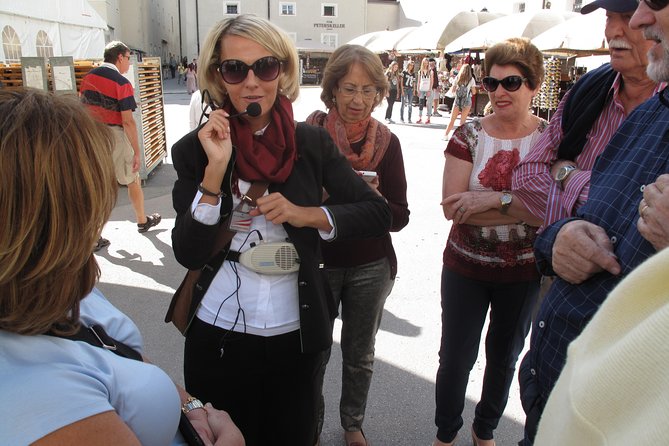
The guide team is the secret sauce. Past guides have included historians, authors, and academics, and the tour has been led by people like Peter, Natalie, Liza, Claudia, Lisa, Gabe, and Astrid, who often adapt the walk to what the group cares about. A small heads-up: one review noted narration that felt jumpy, so expect a conversational style that moves with the street scene, not one long uninterrupted lecture.
Key highlights worth knowing before you go
- Historian-led, scholarly guidance from professionals such as historians, doctoral students, journalists, art critics, and published authors
- Getreidegasse and medieval Burgher Town lanes with the crooked street-and-passageway vibe intact
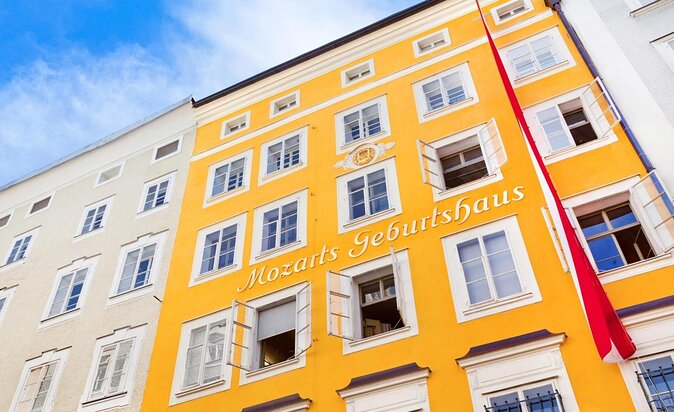
- Mozart birthplace plus the Festival Halls with stories that include Wolfgang and Nannerl
- St. Peter’s Abbey, a Benedictine monastery dating back to 696 AC
- Salzburg beyond the movie, including the WWII-era Trapp family refugee story behind The Sound of Music
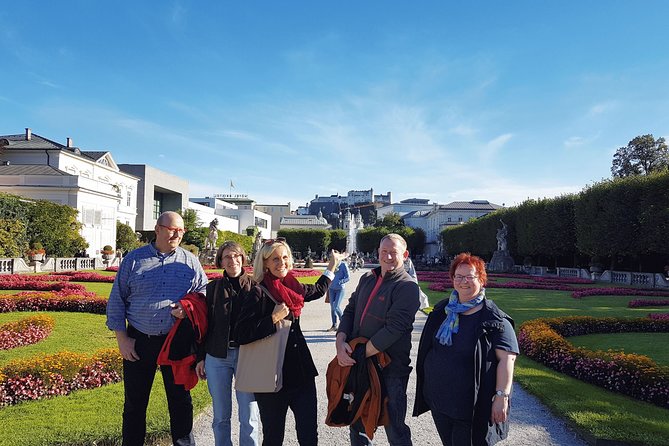
- Small group cap (maximum 8 travelers), which makes it easier to ask questions and follow the route
First stop: finding Linzer G. and getting your bearings fast
This tour begins at Linzer G. 39 in Salzburg. It is close to public transportation, which matters because Salzburg’s old town is built for feet, not cars, and you will likely arrive by tram, bus, or on foot from your lodging.
Aim to arrive a few minutes early and get your mobile ticket ready. Even with a smooth start, you are about to walk through an area where small delays stack up quickly, especially if the group needs to wait before moving into narrower lanes.
The walk starts in the Burgher Town area, so you are not wasting time with random scenery. You are being dropped into the part of Salzburg where the street plan itself tells a story, narrow and crooked, with passageways that feel like they were designed to slow you down.
More Walking Tours in Salzburg
- Salzburg 2.5-Hour Walking Tour: Mozart, Old Town & More
★ 4.2 · 987 reviews - Salzburg: Old Town, Mozart, & Mirabell Gardens Walking Tour
★ 4.8 · 461 reviews - Salzburg Oldtown: Sightseeing Walking Tour with Licensed Local Guide
★ 5.0 · 392 reviews
Burgher Town and Getreidegasse: medieval commerce you can feel
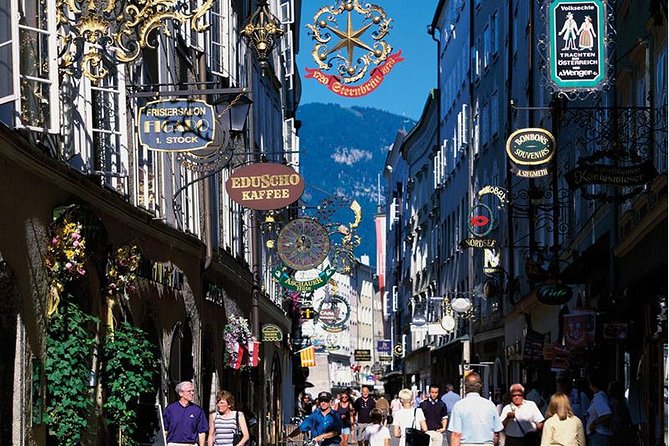
The first real wow moment is the contrast between tight medieval streets and the larger, formal squares you will see later. You will walk through the Burgher Town first, where the narrow, crooked little streets keep the medieval feel of the commercial center alive in a way that is hard to get from a quick glance at a map.
Then comes Getreidegasse, described as Salzburg’s commercial heart with a distinctive set of passage ways. This is the kind of street where you should look at how the buildings and street rhythm work together. If you keep your eyes up and let the guide point out how the layout shaped life and trade, you start to understand why Salzburg’s history matters beyond the obvious name drops.
Why I like this start for first-time visitors: it gives you a framework before the famous faces show up. You begin with everyday Salzburg, not just the celebrity version.
Baroque squares and archbishops: power in open space
After the cramped medieval feel, the walk shifts to the more spacious baroque squares of the district where archbishops once presided from their residence. This part matters because Salzburg’s identity is not just about art and music. It is also about who held power, and how that power shaped the city layout.
You will see baroque grandeur in the way open squares frame buildings and movement. The big lesson here is cause and effect. When you know archbishops and their residence shaped the planning, the baroque squares stop looking like decoration and start looking like an intentional statement.
If you love cities where the politics shows up in the buildings, this is where the tour clicks. If you are only here for a few photo stops, you may need to remind yourself to slow down and take in the urban design, not just the landmarks.
Mozart’s birthplace area and the Festival Halls
At some point along the route, you will pass Mozart’s Birthplace and the Festival Halls. This is more than a sightseeing checklist moment. The guide ties Mozart’s childhood to the city around him, including stories about both Wolfgang and Nannerl.
Even if you are not a hardcore classical music person, having the childhood context changes what you notice later. Suddenly you understand the city as a music-making environment, not just a place where famous people were born.
One smart thing about this segment is timing. You are walking, so you get continuous movement from street to street, which helps you connect ideas. You are also not stuck inside a single viewpoint. You see the relevant landmarks in their actual surroundings.
If you do have a big Sound of Music obsession, the Mozart parts also help set up the more serious WWII story that comes later. Music connects the themes, but the tour does not let it stay superficial.
A different sort of Salzburg day:
- The Original Sound of Music Tour in Salzburg
★ 4.5 · 6,129 reviews - Salzburg: Original Sound of Music Tour
★ 4.8 · 5,059 reviews - From Salzburg: Half-Day Tour to Hallstatt
★ 4.6 · 3,596 reviews - Salzburg: Mozart Concert at Mirabell Palace
★ 4.8 · 3,498 reviews
St. Peter’s Abbey: a monastery core older than the city’s modern fame
St. Peter’s Abbey is the route’s big anchor. The tour takes you to the monastery of the Benedictines called St. Peter, dating back to 696 AC. That date is worth sitting with for a moment, because it reframes your Salzburg experience.
This is where you see how long Salzburg has been shaped by institutions, routines, and learning. Monasteries were not just church buildings. They were centers of stability and culture, and that helps explain why Salzburg’s musical identity could take root and last.
During this part of the walk, the guide also connects the dots to wider themes like medieval salt commerce and even medical innovations. Those topics might sound like curveballs compared to Mozart, but they make Salzburg feel grounded. You start to understand the city as a place where ideas traveled, money mattered, and care for people existed alongside music and art.
A practical note: monasteries and church areas often mean you should be prepared for a bit of standing and looking. Wear shoes you trust.
Michael Haydn, salt wealth, and medical innovations
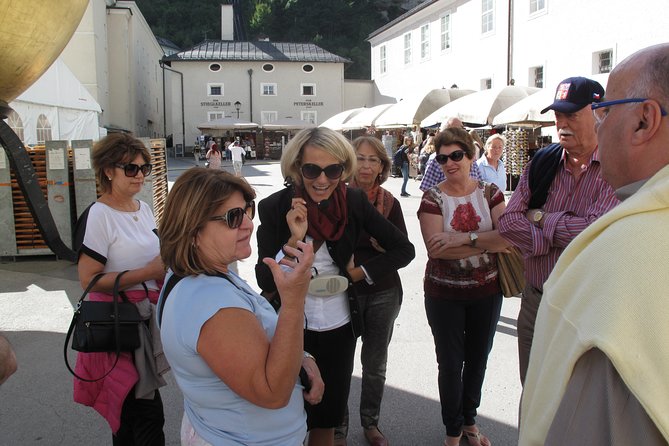
One of the tour’s strengths is how it avoids turning Salzburg into a single-theme story. After the early religious landmark, you get more context around the city’s medieval salt commerce and medical innovations. That mix is valuable because it shows Salzburg was not only a cultural stage. It was also a working city with industries and practical knowledge.
You will also follow the story of Mozart’s childhoods, Wolfgang and Nannerl, and learn about Michael Haydn, described as the city’s great second musical son. For anyone who only knows Mozart as a name, this is a gentle correction. You get broader musical context without needing a music degree.
This segment is also a good time to ask questions. If the guide is on a roll, you can use that momentum to clarify what you want to focus on for the rest of your trip, like architecture versus music versus politics.
The Sound of Music Trapp family story, told in the real-world setting
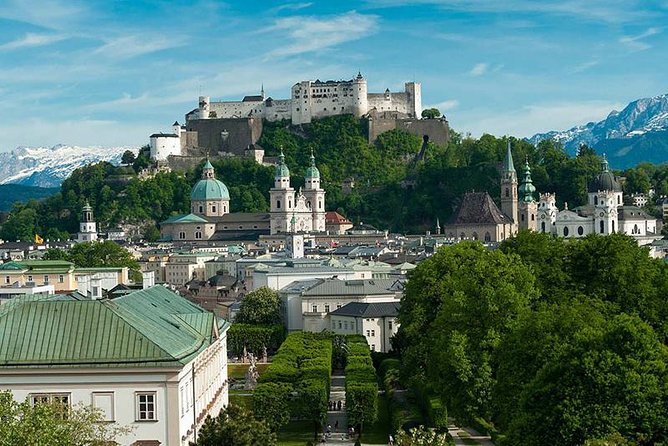
The tour ends with the part that fans tend to remember: the true story behind The Sound of Music and the Trapp family. The big takeaway is the WWII-era refugee context, presented as an authentically important story, not just movie trivia.
This is where your earlier stops pay off. Once you have the Mozart layer, the monastic layer, and the political context, the Trapp family story lands better. You understand why the city’s music, institutions, and history intersect with people forced to flee.
You should expect the tone to shift from postcard Salzburg to something more human and serious. If you come only for the famous songs, you may still enjoy it, but the emotional weight is part of what makes the walk meaningful.
If you want to keep a good mood while absorbing heavier history, bring a notebook. Writing one or two takeaways per stop helps you hold onto the story instead of just listening and moving on.
How the small group (max 8) changes what you experience
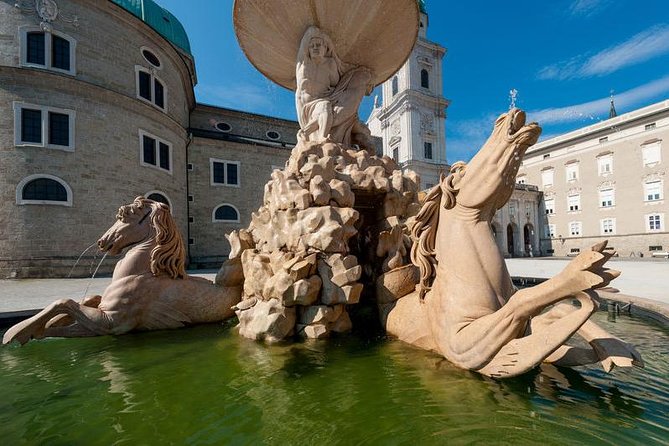
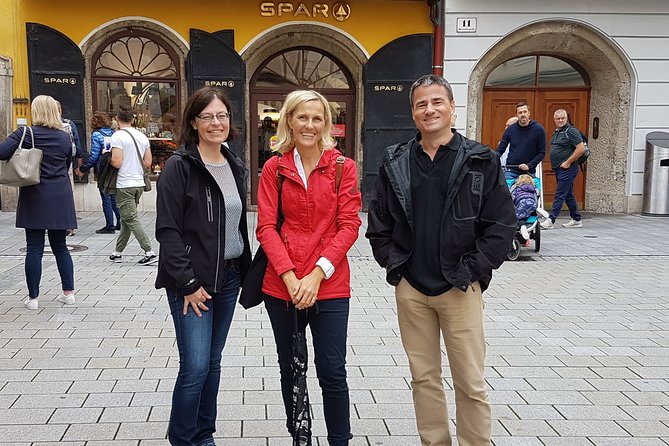
A maximum of 8 travelers is a big deal on this kind of walk. It makes it easier for the guide to keep track of where people are looking, and it also makes Q and A feel natural instead of rushed.
Guides have also been described as adapting the tour based on what the group cares about. Some groups have even had situations where the group was so small the guide could tailor the walk closely to interests, which is a real advantage if you like history, music, or church interiors more than the others.
If you are traveling with family or you just do not like standing in a crowd, this format is a safer bet. You get a more human pace, and you are less likely to feel like a number moving through a checklist.
Walking pace, comfort, and those cobblestone realities
This tour lasts around 2.5 hours and covers a lot of old town on foot. One group logged 10,000+ steps, so think of this as a real walking commitment, not a short stroll.
The good news is that the guides have shown practical awareness about comfort in heat. On hot days, you may be moved to shade or even offered places to sit while explanations continue. Still, you should plan like you are going to be outside for most of the walk.
Bring sun protection, water, and comfortable shoes. If you wear sandals or have slippery soles, you will feel it. Salzburg’s historic streets are not made for flimsy footwear.
Price and what you actually get for $180.21
At $180.21 per person for about 2.5 hours, this is not a budget walking tour. You are paying for more than sightseeing, you are paying for a professional scholarly guide and a small group size.
To me, the value is strongest if you fall into one of these buckets:
- You like history that connects to real buildings and street design
- You are a Mozart or classical music fan, or you want to become one
- You know The Sound of Music is popular, but you want the real WWII refugee story behind it
- You want a first-day orientation so the rest of your trip feels organized
What keeps it fair is that the tour does not try to squeeze in everything. The route focuses on a set of high-impact sites and themes, and it gives you enough context to understand why they matter.
If you already know a lot about Salzburg’s medieval salt commerce and monastic history, you might find yourself wanting more depth per stop. But for most visitors, the mix of music, politics, and everyday life is the point.
What is not included, so plan your day around it
Food and drinks are not included. You will want to handle snacks either before you start or after you finish. Also, Mozart Residence admission is not included, so if you want to go inside that specific place, plan to purchase tickets separately.
Hotel pickup and drop-off are not included, so you should expect to get yourself to the meeting point at Linzer G. 39.
This matters for budgeting and timing. If you want a full day with museums or a concert, put them after the walk, not during it.
Should you book this Salzburg introduction walk?
Yes, if you want Salzburg to make sense quickly. This tour is built for people who like context, not just captions. The historian-led approach, the mix of Mozart, St. Peter’s Abbey, and the Trapp family story behind The Sound of Music gives you a rounded Salzburg experience in one go.
Skip it or reconsider if your top goal is strictly low-effort sightseeing, because you are walking for about 2.5 hours and the value is tied to the guide’s storytelling. Also, if you prefer a strict lecture format with a perfectly continuous narrative flow, know that this tour works as a moving conversation through the city.
If you are arriving in Salzburg and want your first day to feel anchored, this is a strong pick. I’d book it early in the trip so you can use what you learn to choose what to revisit later.
FAQ
How long is the Salzburg introduction walking tour?
It runs for about 2 hours 30 minutes (approximately).
How much does the tour cost?
The price is $180.21 per person.
Where is the meeting point?
The start is at Linzer G. 39, 5020 Salzburg, Austria.
What time does the tour start?
The provided start time is 9:30 am, and morning or afternoon departures are available.
Is the tour in English?
Yes, it is offered in English.
What is included in the price?
You get a guided walking tour through the historical center of Salzburg and a professional scholarly guide.
Is food and drinks included?
No, food and drinks are not included.
Is Mozart Residence admission included?
No, Mozart Residence admission is not included.
Can I cancel for a full refund?
Yes. There is free cancellation, and you can cancel up to 24 hours in advance for a full refund.
Latest Salzburg reviews
- Wachau, Melk Abbey & Salzburg (Sound of Music & UNESCO)★ 5.0 · 23 reviews
- Werfen World’s Largest Ice Caves and Golling Waterfalls Tour★ 4.5 · 7 reviews
- Private Werfen Ice Cave and Golling Waterfall from Salzburg★ 5.0 · 15 reviews
- Viator Exclusive: ‘The Sound of Music’ Private Tour★ 5.0 · 28 reviews
- Public 8h tour to sites of “The Sound of Music Movie” & Hallstatt★ 5.0 · 219 reviews
- Private transfer from Salzburg to Vienna, 2 hours for sightseeing★ 4.5 · 7 reviews
- Private Transfer from Salzburg to Munich with 2 hours for sightseeing★ 5.0 · 8 reviews
- Public 4h tour to filming locations of “The Sound of Music Movie“★ 4.5 · 323 reviews
Walking Tours, compared.
Guided Walking Tour of City Center Highlights
Read our review →
Guided Walking Tour of City Highlights & Hidden Gems
Read our review →
Vienna Historic Center Small Group Walking Tour
Read our review →
Browse the lists this tour appears in