

Reviewed · WALKING TOURS
Salzburg Introduction Walking Tour
This Salzburg Introduction Walking Tour is interesting because it stitches the city together into one clear story, as you move through the UNESCO-listed center. I like that the tour leans on historian-style explanations instead of quick facts, so you leave with real understanding.
I also like how the walk blends Salzburg’s musical heritage with the eye candy of Gothic and Baroque architecture. The main drawback to think about: the Mozart residence area is covered in discussion, but a Mozart residence admission ticket is not included, so you may need an extra stop later if you want to go inside.
Key things that make this tour worth your time
- Historian-led pacing that focuses on history, local customs, and how things connect
- Mozart Geburtshaus stop to anchor the city’s music story in a real location
- Gothic and Baroque viewpoints built into the route, not tacked on at random
- Whole-old-town feel designed for getting your bearings fast in 150 minutes
- English language guide with a background that includes professors and published authors
Why This Salzburg Walk Works: Music Meets Stone and Stories
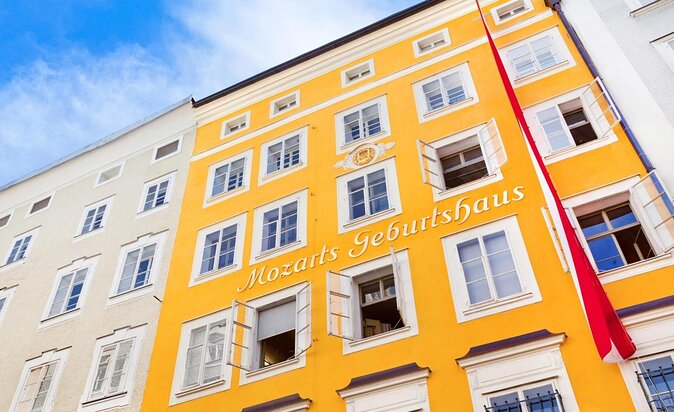
Salzburg can overwhelm you in the best way. You see famous sights, hear the Mozart name everywhere, and watch people pose in front of pretty churches like it is an Olympic event. This tour helps you turn all that into meaning, with a guide who explains what you are looking at and why it mattered.
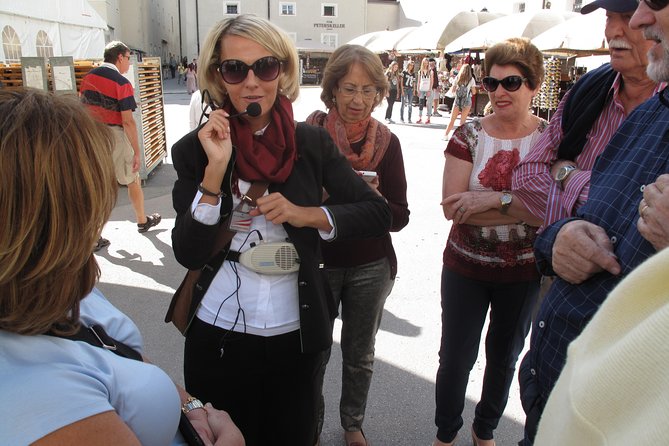
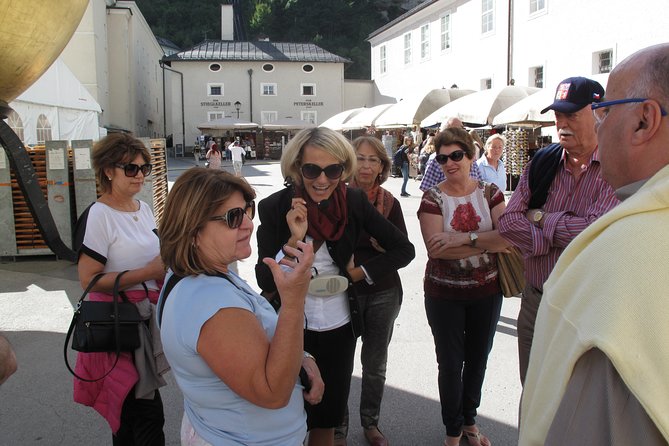
A big reason it works is the style of teaching. The tour is described as historian-led, with guides drawn from serious academic and cultural backgrounds, including professors, doctoral students, historians, journalists, art critics, and published authors. That matters because Salzburg is not just a set of landmarks. It is a city where music, religion, art, and everyday life grew from the same streets and the same civic priorities.
You also get a tight time window: 150 minutes. That is long enough to cover major stops and still leave you energy for wandering after. If your goal is to understand Salzburg’s identity, not just take photos, this format is a strong match.
The route also nods to Salzburg’s bigger themes that most people only hear about in fragments, like medieval salt commerce, medical innovations, and the city’s role as the setting for The Sound of Music. Even when the stops are architectural, your guide’s job is to keep pulling the thread back to how people lived and thought here.
More Walking Tours in Salzburg
- Salzburg 2.5-Hour Walking Tour: Mozart, Old Town & More
★ 4.2 · 987 reviews - Salzburg: Old Town, Mozart, & Mirabell Gardens Walking Tour
★ 4.8 · 461 reviews - Salzburg Oldtown: Sightseeing Walking Tour with Licensed Local Guide
★ 5.0 · 392 reviews
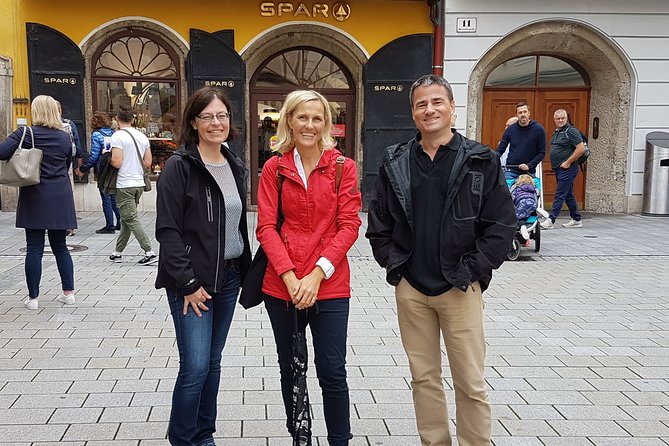
Your Start Point at Linzergasse 39, Outside Coffeehouse Salzburg
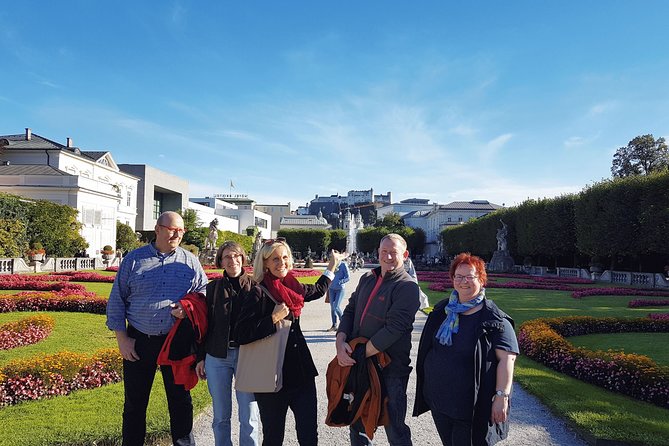
The meeting point is outside Coffeehouse Salzburg, Linzergasse 39. Showing up on time matters because a walking tour is basically a moving puzzle, and Salzburg’s old town streets can be slow to navigate if you are searching for the group.
I like that the start is specific and easy to confirm. If you are coming from a hotel nearby, use your phone map to get to the address, then walk the last few minutes on foot. If you are late, you can end up separated from the group and miss the first context-building portion of the tour, which is usually where your guide sets the storyline.
You will also want decent shoes. A 150-minute walk in the center is manageable, but you are still on historic streets that are not designed for casual slip-on comfort. Think practical: wear what you would wear for a long museum visit, not what you would wear for a dinner stroll.
Mirabellgarten: Where the Guide Sets the Historical Scene
Mirabellgarten is your first major stop on the guided route, and it is a smart opening. Gardens and landscaped spaces tend to make people relax, and that is when a good guide can quickly frame the larger Salzburg story without rushing.
Here, you should expect guided explanation that connects the city’s layers to what you are about to see next. The tour is focused on Salzburg’s history and local customs, so this is likely where your guide introduces the big picture, like why the city became such a cultural center and how its architecture reflects different eras.
Even if you have seen photos of Salzburg gardens before, I recommend using this moment to get oriented. Ask yourself: what sort of mood does this place create, and how does it fit the rest of the city? When you do that, the later stops at squares and church spaces land more clearly.
A small consideration: if you are expecting a museum-style stop with lots of indoor interpretation, this is still a walking tour. The value is in how the guide links what you see here to the rest of the route.
Mozart Geburtshaus: Mozart Context Without Extra Ticket Pressure
Mozart Geburtshaus is on the route, and this stop is the anchor for Salzburg’s musical identity. Your guide will introduce Mozart’s place in the city’s story, but the framing goes beyond one famous person. Salzburg is described as having musical heritage and broader cultural significance, so you will likely hear how music fits into the city’s reputation as a whole.
One key practical detail: the Mozart residence admission ticket is not included. That is not a flaw, just a heads-up on value. The walking tour gives you the context and the location, but if you want to go inside and spend time in a museum setting, you will need to plan that separately.
I like this structure because it gives you control. If you are Mozarted out after the walk, you can skip the extra ticket. If you love the story, you can turn the birthplace visit into a deeper stop later when you have time to linger.
Also, the tour is in English, so you can follow the discussion without mental translation. Guides with strong historical storytelling can make Mozart feel less like a logo and more like a person shaped by a place.
A different sort of Salzburg day:
- The Original Sound of Music Tour in Salzburg
★ 4.5 · 6,129 reviews - Salzburg: Original Sound of Music Tour
★ 4.8 · 5,059 reviews - From Salzburg: Half-Day Tour to Hallstatt
★ 4.6 · 3,596 reviews - Salzburg: Mozart Concert at Mirabell Palace
★ 4.8 · 3,498 reviews
Alter Markt and Residenzplatz: The Squares That Explain Local Life
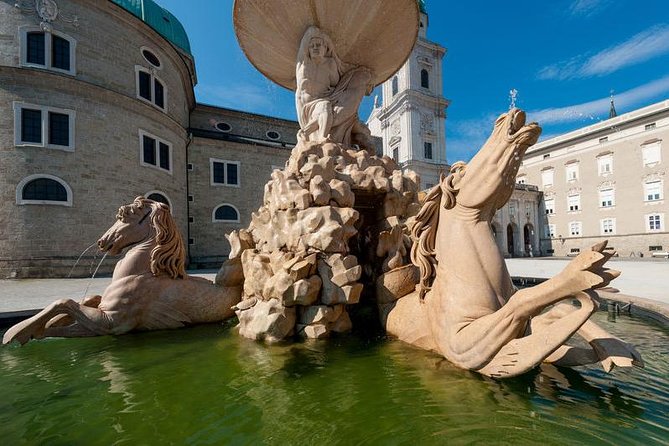
Alter Markt and Residenzplatz, Salzburg are both listed stops, which is a good sign for anyone who wants more than a quick walk past buildings. In old towns, squares are where life happened: commerce, civic ceremonies, and the everyday flow of residents.
What makes these stops valuable in this tour is that the guide does not treat architecture as decoration only. The tour highlights Salzburg’s Gothic and Baroque architecture and also points toward the city’s longer economic and cultural drivers, including medieval salt commerce. Standing in a central market-type space while hearing how trade and wealth shaped the town helps the buildings make sense. You can almost feel the logic of why certain structures were placed where they were.
Residenzplatz adds another layer by shifting from market energy to a more ceremonial, civic-culture vibe. Even if you are not a history nerd, that contrast helps you understand why Salzburg looks the way it does. Baroque and Gothic styles are not just artistic trends. They often reflect power, patronage, and what a city wanted to communicate to visitors and residents.
One thing to keep in mind: you will likely be listening more than hopping from spot to spot. That is the point. If you want lots of free time to browse shops or sit with a coffee at every stop, you may feel the tour is moving along. But if you want a structured introduction, it is a great rhythm.
Domplatz: Gothic and Baroque Architecture in a Concentrated View
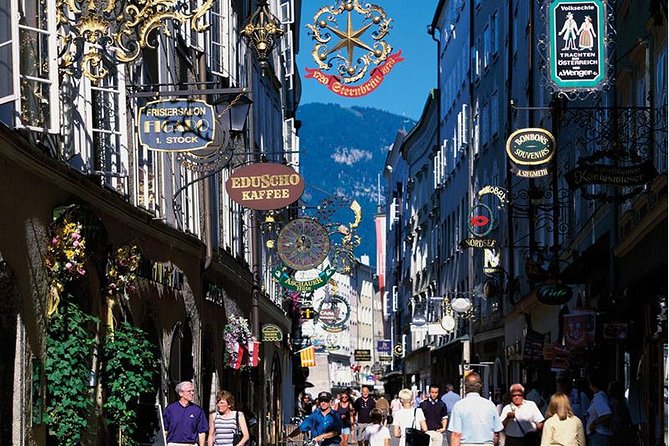
Domplatz is where the route shifts into a more monumental feel. The tour is clearly geared toward seeing Gothic and Baroque architecture, and this stop name signals a major church-centered area.
This is the kind of place where a guide can turn your eye from general wow-factor into something you can actually notice: form, style, and how different eras coexist in the same urban space. Even without going into museum mode, you will get a guided reading of what you are seeing.
I also like the way this fits the broader Salzburg themes named for the tour, including medical innovations and the city’s historical significance beyond music. Church and civic spaces often become where those stories get summarized, because they sit at the center of the city’s identity. You might find your guide connecting the architecture to the city’s role as a cultural stage, plus its historical reputation.
Practical note: you might have some photo time, but do not expect unlimited wandering at each stop. The best use of your moment here is to let your guide explain, then do a short photo sweep while the context is fresh.
St Peter’s Abbey: Finishing With a Deeper Sense of Continuity
St Peter’s Abbey is the last major stop on the route. Abbey spaces tend to give you a feeling of time depth, and this tour’s structure is built to make that last stop feel like a conclusion.
You should expect guided interpretation tied to Salzburg’s history and culture, plus the city’s “many layers” vibe described for the tour. Even if you already know Salzburg as Mozart country or Sound of Music country, this stop helps you see it as more than a set. It was also a place shaped by long-standing traditions and institutional life.
This is a good moment to ask questions, because your guide has now walked you through music, architecture, and central-history storytelling. If you are the type who wonders about how a place changes while still keeping its identity, ask. If you want a practical recommendation for what to do next on your own, ask. Guides like this tend to have enough local understanding to point you toward smart follow-ups.
If you prefer a tour where the last stop is a big payoff like a view platform or a long museum interior, you may find this ending more reflective than flashy. But as a historical introduction, it lands well.
Value and Price: Is $176 Worth 150 Minutes?
The price is $176 per person for 150 minutes. That is not a “budget walk,” so the value question matters.
Here is how I evaluate it. You are paying for an expert historian guide and a structured route through Salzburg’s historical center. The included portion is a full 2.5-hour walk, with the guide doing the interpretive work: history, musical heritage, local customs, plus Gothic and Baroque architecture in context. You are not paying for museum tickets, because the Mozart residence admission ticket is explicitly not included.
This makes the price easiest to justify if:
- You want a guided explanation rather than self-guided landmark checking.
- You care about how music, architecture, and history connect.
- You would otherwise spend 2 hours online reading and still feel scattered.
It may feel steep if:
- You mostly want photo stops and minimal listening.
- You are not sure you will engage with historian-style storytelling.
- You planned to spend most of your time in museums and ticketed sites anyway.
On the plus side, the tour has a 4.9 rating with 9 reviews, which suggests the experience lands well when the guide’s communication style clicks. Still, keep one practical thought in your mind: this is a discussion-heavy walk. If you want a lot of free time inside places, you may want to add independent tickets after.
Who This Tour Is Best For (and Who Should Skip It)

This Salzburg Introduction Walking Tour fits best if you want a clear orientation and you like learning while walking.
I recommend it for:
- First-time visitors who feel lost once they start seeing too many churches and statues.
- People who love Mozart and want more than a name dropped at you.
- Anyone who enjoys history explanations, especially when the guide connects different themes like music and medieval commerce.
- Groups that include mixed ages, since the structure gives the guide room to answer different kinds of questions.
I would be less enthusiastic if you are:
- Planning a strict schedule where you cannot tolerate listening time.
- Only interested in inside museum visits and ticketed attractions.
- Someone who dislikes guided walks and prefers total freedom.
If you are doing a day in Salzburg and want the rest of the time to be more spontaneous, this kind of introduction tour is a smart first step.
Practical Tips So You Actually Enjoy the Walk
A few things will help you get the most out of the experience.
First, bring questions. Since your guide is presented with serious academic and cultural backgrounds, the best moments usually happen when you ask what you want to understand. Is Mozart tied to the city’s identity in a specific way? How do the architectural styles reflect older Salzburg priorities? The guide is there for that conversation.
Second, plan your next moves. The tour ends after the key stops, so decide ahead of time what you want to do right afterward, whether that is another church visit, a cafe break, or a separate Mozart residence ticket stop.
Third, dress for old town walking. Salzburg’s center is best enjoyed on foot. If you do not want sore feet, wear comfortable shoes and keep your pace steady with the group.
Finally, use the time window wisely. 150 minutes sounds short, but it is enough to get grounded if you pay attention during guided explanations.
Should You Book This Salzburg Introduction Walking Tour?
If your goal is to understand Salzburg beyond the postcard, I think booking makes sense. You get a historian-led, English-language walk that covers the city’s major story points, including Mozart’s context, the city’s broader musical heritage, and Gothic and Baroque architecture you can actually see along the way.
I would book it if you like guided interpretation and you want to leave with a sense of how Salzburg worked, economically and culturally, not just what it looks like. It is also a good choice when you want a structured overview before you spend more hours exploring on your own.
I would hesitate if you mainly want ticketed museum time or you are unsure you will enjoy explanation-heavy tours. Remember, the Mozart residence ticket is not included, so you may need a separate plan if inside access is your top priority.
If you want a strong Salzburg orientation with real storytelling, this tour is a solid bet.
FAQ
How long is the Salzburg Introduction Walking Tour?
The duration is 150 minutes, which is about 2.5 hours.
Where does the tour meet?
You meet outside Coffeehouse Salzburg at Linzergasse 39.
What language is the tour offered in?
The live tour guide provides the tour in English.
What is included in the price?
The tour includes a 2.5-hour walk through Salzburg’s historical center with an expert historian guide.
Is the Mozart residence admission ticket included?
No. The Mozart residence admission ticket is not included.
What is the group size like?
It is offered as private or small groups.
Is there free cancellation?
Yes, you can cancel up to 24 hours in advance for a full refund.
When will I receive confirmation after booking?
You should receive confirmation within 48 hours of booking, subject to availability.
Latest Salzburg reviews
- Wachau, Melk Abbey & Salzburg (Sound of Music & UNESCO)★ 5.0 · 23 reviews
- Werfen World’s Largest Ice Caves and Golling Waterfalls Tour★ 4.5 · 7 reviews
- Private Werfen Ice Cave and Golling Waterfall from Salzburg★ 5.0 · 15 reviews
- Viator Exclusive: ‘The Sound of Music’ Private Tour★ 5.0 · 28 reviews
- Public 8h tour to sites of “The Sound of Music Movie” & Hallstatt★ 5.0 · 219 reviews
- Private transfer from Salzburg to Vienna, 2 hours for sightseeing★ 4.5 · 7 reviews
- Private Transfer from Salzburg to Munich with 2 hours for sightseeing★ 5.0 · 8 reviews
- Public 4h tour to filming locations of “The Sound of Music Movie“★ 4.5 · 323 reviews
Walking Tours, compared.
Guided Walking Tour of City Center Highlights
Read our review →
Guided Walking Tour of City Highlights & Hidden Gems
Read our review →
Vienna Historic Center Small Group Walking Tour
Read our review →
Browse the lists this tour appears in