
Reviewed · WALKING TOURS
Vienna: Highlights Walking Tour with a Local Guide
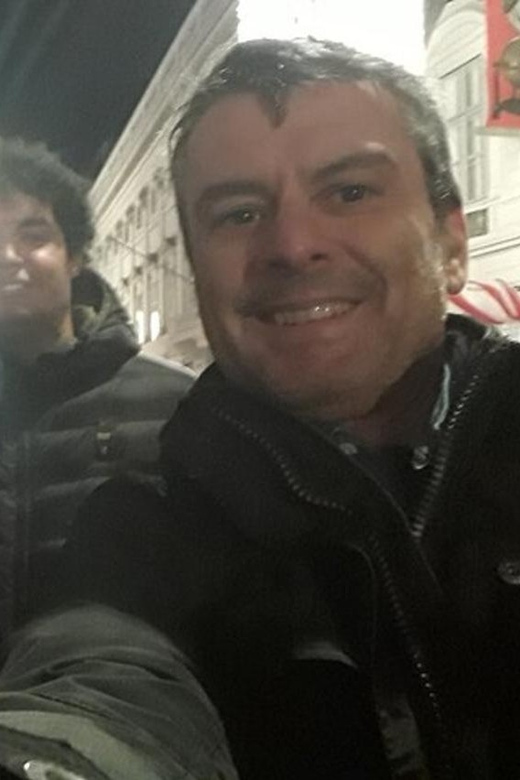
This Vienna highlights walking tour is interesting because it stitches imperial power and baroque elegance into one easy 3-hour loop you can actually feel in your feet. I especially like the Hofburg start and the Ringstrasse architecture stretch, where the city looks grand without being untouchable. You’ll also get a good sense of how Vienna’s leaders, artists, and defenses shaped what you see today.
One possible drawback is language fit. The tour runs in English, French, and Spanish, but there have been cases where Spanish-speaking needs did not match guide availability, leading to changes or cancellations. If language matters to you, plan to confirm it before you lock anything in.
Key highlights to look for
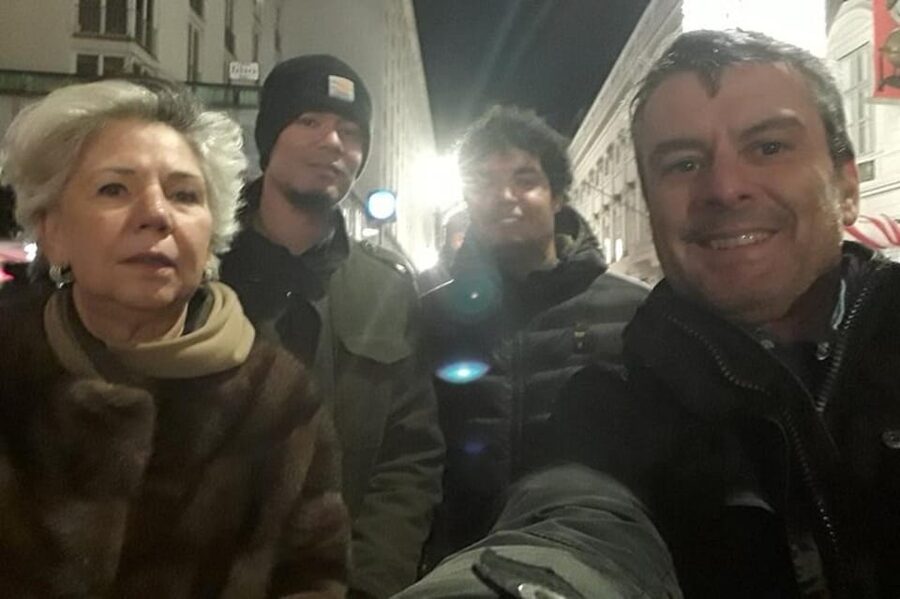
- Maria-Theresien-Platz landmarks: the Natural History Museum, Art History Museum, and Empress Maria Theresa’s statue as your central “Vienna snapshot.”
- Burgtor’s Napoleon link: an arch tied to Vienna and its allies defeating Napoleon, explained in place.
- Ringstrasse as a living showcase: City Hall, Parliament, Burgtheater, and Vienna State University along the boulevard.
- Kunsthistorisches Museum façade: the palatial exterior sets the tone before you think about going inside later.
- St. Michael’s Church stop: a romanescue-style church atmosphere, among the city’s oldest, arriving near the end.
- Guides who add personality: past groups have been led by people like Hugo, Gulam, Nathalie, and Ge, with humour and practical local tips.
Why this 3-hour Vienna route feels smarter than a museum day
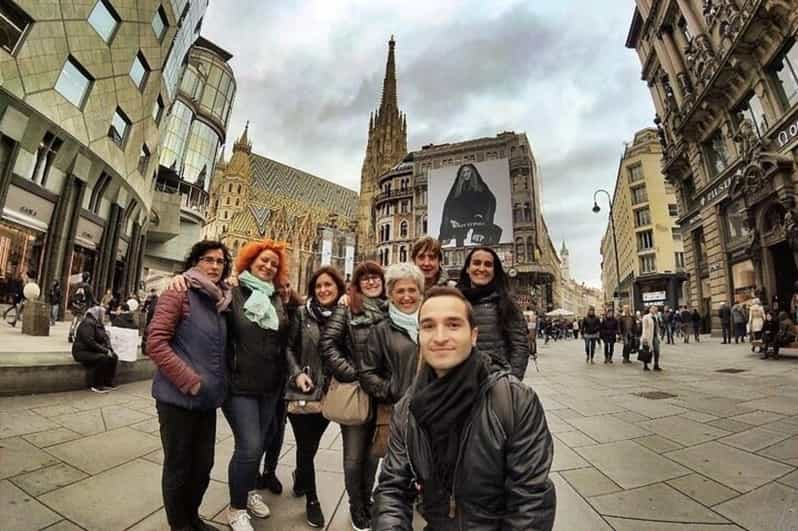
Vienna can be a lot, fast. This tour avoids the common problem of seeing only one big site and then wandering around confused. Instead, you move between key “story locations” that explain how the city grew from defense and empire into culture and civic life.
What makes it work is the pacing and the variety. You get palaces and major squares, then the ceremonial boulevard of Ringstrasse, then the older spiritual note of St. Michael’s Church. By the time you’re done, you’re not just collecting photos, you’re building a mental map.
The biggest value is that a guide helps you notice details you would likely miss on your own. Think of it like having someone point out why a façade matters, not just what it is. That difference is often what turns a “quick walk” into a truly useful one.
More Walking Tours in Vienna
- Vienna: Guided Walking Tour of City Center Highlights
★ 4.7 · 4,989 reviews - Vienna: Vienna Central Cemetery Guided Walking Tour
★ 4.8 · 3,307 reviews - Vienna: Guided Walking Tour of City Highlights & Hidden Gems
★ 4.9 · 2,180 reviews
Meeting at Babenbergerstraße 9: how the Hofburg edge sets the tone
Your tour starts at Babenbergerstraße 9, and the first part is all about the Hofburg orbit, Vienna’s historic power center. You’ll head toward the Neue Burg, which is part of the larger Hofburg complex. The opening works well because it gets you into the imperial mood before the tour spreads out.
You can expect a photo stop and then a guided look around, not just “stand here and listen.” This is the part where the city’s scale becomes obvious. Even if you’ve seen pictures of Vienna’s palaces, walking near them changes your sense of proportion and layout.
If you’re the type who likes a clear starting thread, this opening is strong. It sets up the rest of the tour, because later you’ll see how the city’s leaders wanted to project authority through architecture and public space. Also, this is the kind of beginning that suits all pacing styles, whether you prefer lots of questions or just steady listening.
Neue Burg and the quick Danube pause you will actually appreciate
After the Hofburg-area start, there’s a short break with a Danube stop. You’ll have time for a photo moment and guided context, and then you’ll move on. This part is not meant to turn into a long detour. It’s there to refresh your view and remind you that Vienna is not only buildings, it’s also river life and geography.
That geography matters because Vienna’s history includes walls, defenses, and later grand civic redesign. You can feel that transition during the walk. One moment you’re near the cultural and political core. The next you’re reminded the city has always been shaped by where people could travel, trade, and gather.
If you’ve been overheating from indoor attractions, this quick outdoor moment helps. It also gives you a chance to reset your legs before the more monumental stops ahead.
Burgtor: why this arch matters beyond a quick photo
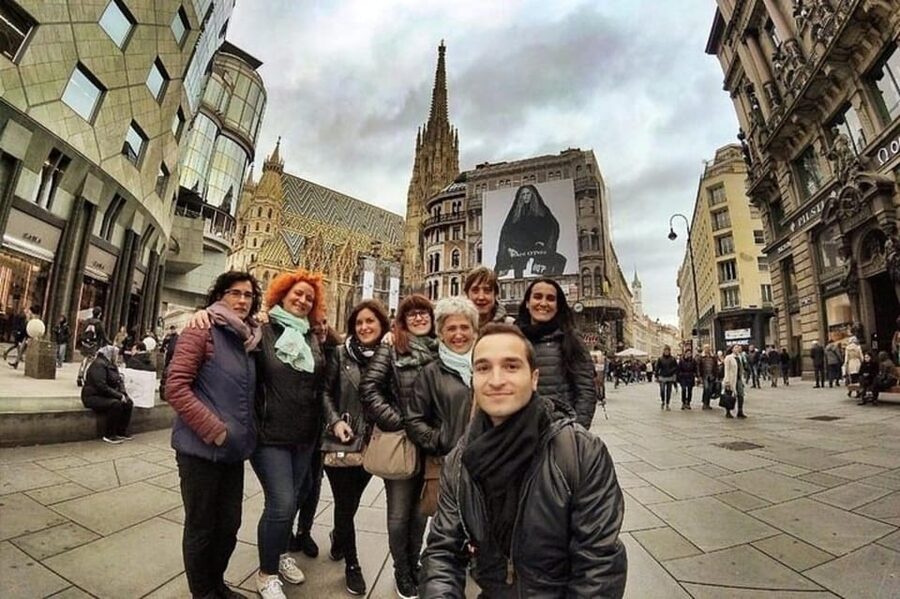
Next up is Burgtor, the arch commemorating Vienna and its allies’ defeat of Napoleon. It’s a stop that rewards attention, because arches like this are never only decorative. They’re political messaging made in stone, and the guide’s explanations help you read that subtext.
Burgtor also connects you to Vienna’s older defensive framework. The arch is described as part of the old defensive walls, so you’re seeing a “victory marker” tied to a time when walls were a real part of daily city life. That makes the architecture feel less like a backdrop and more like a historical tool.
You’ll get a photo stop and then a guided walk-and-look around. The best approach here is to slow down for a few minutes. Let yourself zoom in on the details the guide points out, then step back and take in the wider placement. That back-and-forth is the trick that makes this kind of landmark meaningful.
A different sort of Vienna day:
- Vienna: Vivaldi’s Four Seasons Concert in Karlskirche
★ 4.7 · 14,951 reviews - Vienna: Spanish Riding School Training
★ 3.9 · 9,281 reviews - Vienna: Skip-the-cashier-desk-line Giant Ferris Wheel Ride
★ 4.5 · 7,859 reviews - Vienna: Schönbrunn Palace & Gardens Skip-the-Line Tour
★ 4.7 · 7,739 reviews
Kunsthistorisches Museum and the Ringstrasse masterpiece run
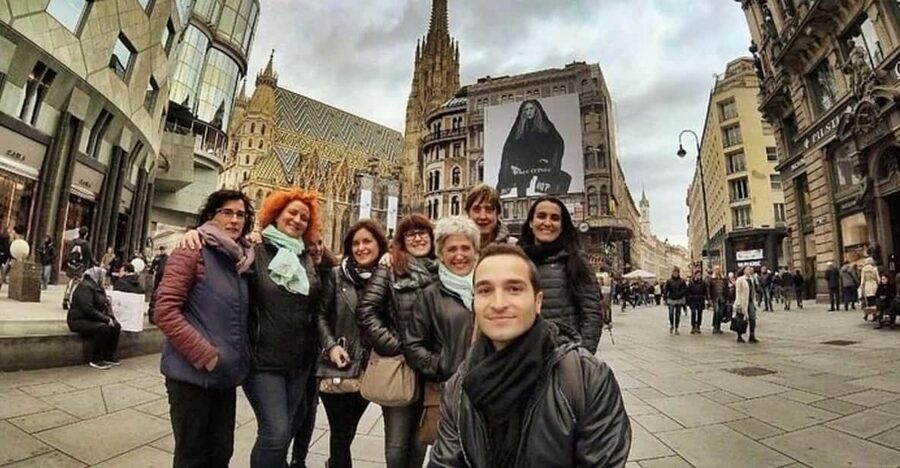
After Burgtor, you head to Kunsthistorisches Museum. Even if you don’t plan to go inside today, the exterior experience is part of the point. The palatial façade signals that this is an empire-era arts and collections statement, not just another museum building.
The tour’s rhythm then shifts into the real “Vienna showpiece” stretch: Ringstrasse. This boulevard used to be medieval fortifications, and now it’s lined with architectural masterpieces. You’ll follow the guide along this route and see the kinds of public buildings that make a capital feel self-assured.
Key landmarks mentioned on the tour include City Hall, Parliament, Burgtheater, and Vienna State University. For me, the smart way to enjoy this section is to treat it like a guided architectural slideshow you can walk through. When you’re standing in front of each major building, ask yourself what each one is trying to communicate: authority, culture, learning, or ceremony.
If your group is led by someone with a playful teaching style, this can be the funniest part too. People have shared that guides like Hugo and Gulam have kept the tone lively while still explaining what matters. You might also get practical tips on nearby places to eat, depending on the guide. So keep your ears open, but don’t forget to look up.
Maria-Theresien-Platz and Heldenplatz to St. Michael’s Church
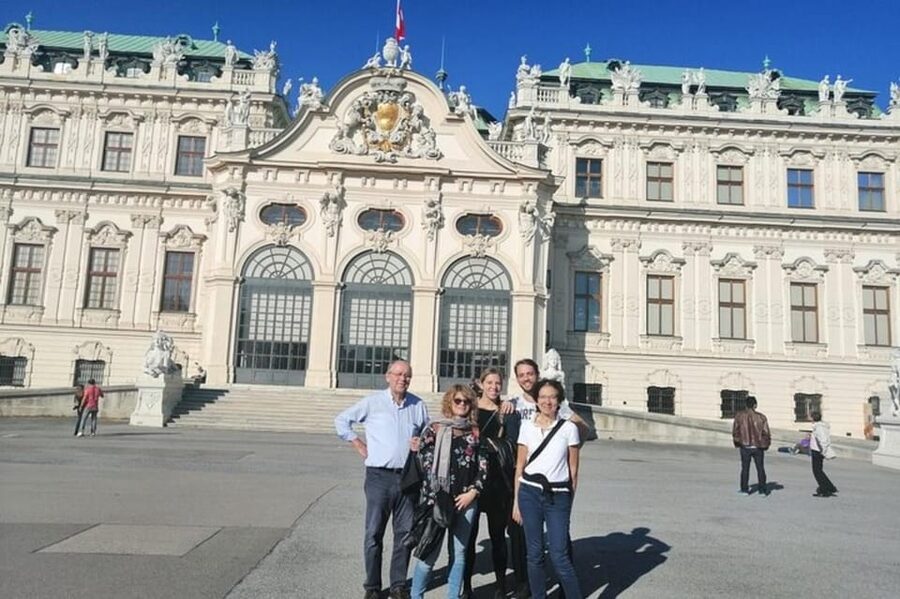
As the tour continues, it brings you to Maria-Theresien-Platz, one of Vienna’s classic squares. This is where the Natural History Museum and Art History Museum flank a grand centerpiece featuring Empress Maria Theresa. That layout is a big reason the square works: it feels like a visual program about leadership and culture.
This segment is ideal for anyone who likes learning through placement. You’re not just looking at buildings. You’re seeing how a ruler and institutions were displayed together, as if Vienna wanted to teach you who mattered and why.
From there, you finish in the direction of Heldenplatz, described as a green open space rooted in history. The open area is a useful breather after the heavier architectural density of Ringstrasse and the museum façade energy.
Then comes the most memorable “old Vienna” note: St. Michael’s Church, a romanescue church and one of the city’s oldest. This ending changes the tone from imperial grandeur to spiritual continuity. It’s the kind of contrast that makes the whole route feel balanced, because not every city highlight walk ends with something truly ancient-feeling.
If you’re wondering how to end strong, this is it. Stand with your back to the square moment, look at the church features the guide points out, then step away for a wider view. That gives you a finished feeling instead of a rushed one.
Price and value: what $38 buys you in real terms
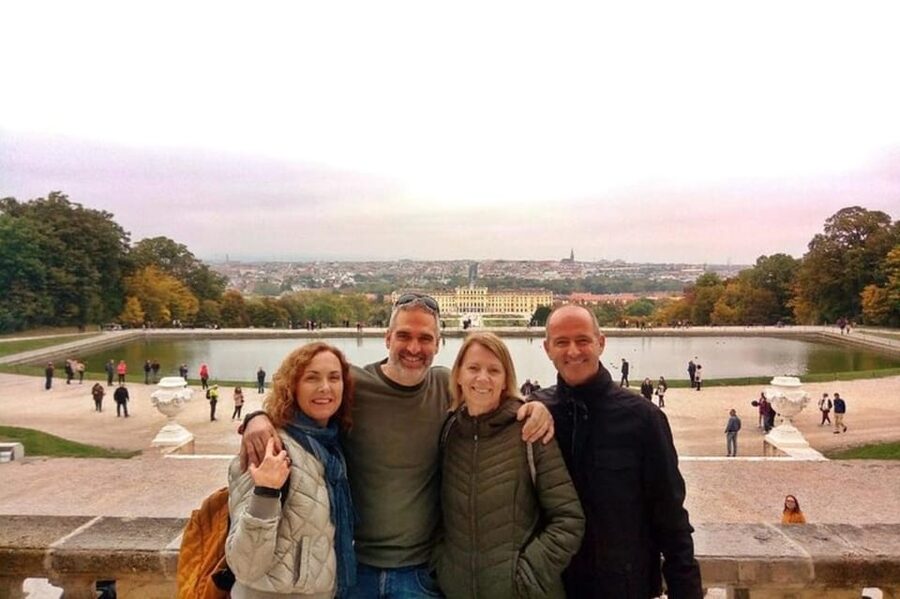
At $38 per person for a 3-hour walking tour, the value is pretty straightforward. You’re paying for time that is hard to replicate on your own: organized flow, contextual explanations, and a route that ties multiple major sites into one story.
The honest advantage is that walking Vienna’s highlights can be slow when you’re trying to figure out what’s worth your attention and what connects to what. This tour does the connecting for you. You still get your own time for photos and your own pace between stops, but you’re not starting from zero.
Also, the structure matters. You hit the biggest “recognizable Vienna” spaces like Maria-Theresien-Platz and Ringstrasse, but you also include the older anchor of St. Michael’s Church. That mix helps you understand the city rather than just ticking off postcard items.
One practical point: the tour can be offered as a private group or as a group option. Private groups can feel better if you want more questions, slower pacing, or a tighter focus on what your party cares about. Either way, you’re paying for the guide, not just the scenery.
Language and guide experience, plus how to avoid surprises
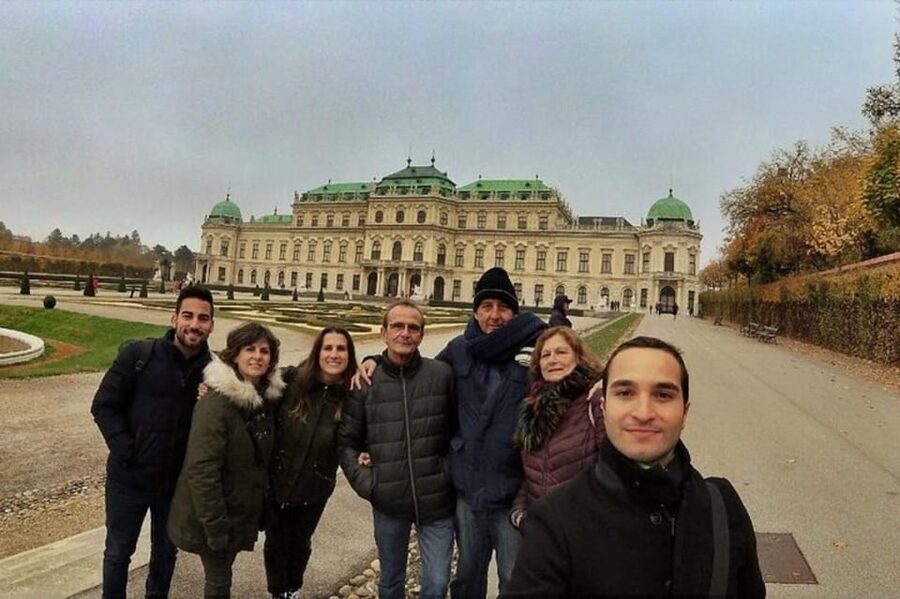
The live guide is available in English, French, and Spanish, and the tour is also wheelchair accessible. If you need that access, it’s worth choosing this tour rather than improvising a route on your own.
The biggest “watch this” item is language matching. There are documented cases where a Spanish booking could not be fulfilled because the provider did not have a guide who spoke Spanish, leading to cancellation or options that did not work for the group. That doesn’t mean it will happen to you, but it does mean you should treat language as a real requirement, not an assumption.
On the upside, the guide experience sounds like a highlight in its own right. Past guides have included people named Hugo, Gulam, Nathalie, and Ge, and the common thread is that they brought energy and humour, not just facts. One group also noted getting cafe and restaurant recommendations from their guide, which is exactly the kind of practical bonus that helps after the tour ends.
So my advice is simple: pick the language you need, verify that it’s confirmed for your date, and then let the guide do the heavy lifting on context.
Who should book this tour, and who might prefer another plan
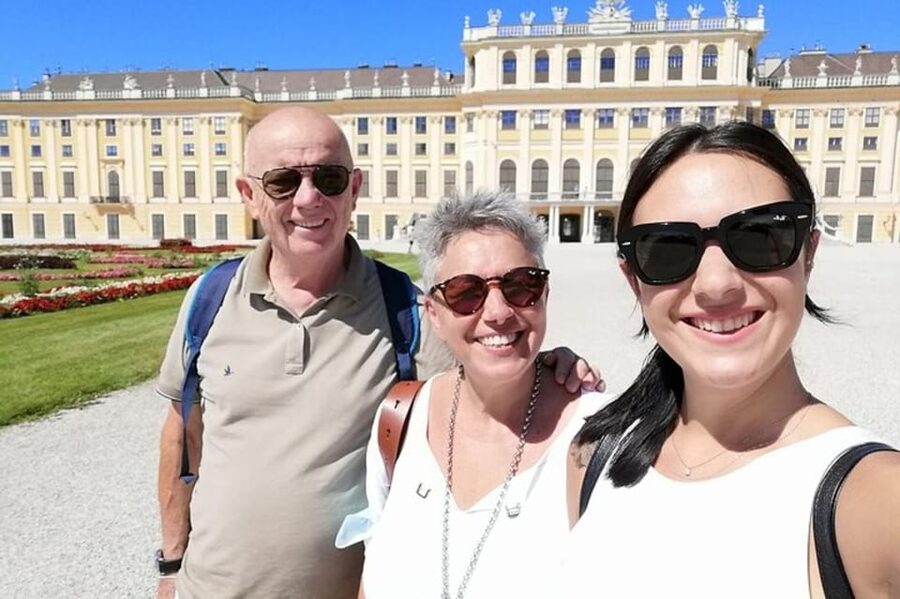
This is a great fit if you want a smart Vienna orientation in one go. You’ll likely enjoy it if you like walking through key neighborhoods and landmarks while someone explains how they connect historically.
It’s also a good choice if you’re the kind of traveler who wants a route you can trust. Vienna’s center can feel like a puzzle of plazas and buildings. This tour gives you a guided path so you spend less time figuring out where to go next.
You might want a different approach if you’re mainly focused on one deep museum experience, because this is structured as a highlights walk, not a museum ticket replacement. You’ll see major museum exteriors and get context, but the “main event” is the walk and the city’s architectural story.
If you like group energy, the group option can be fine. If your group has accessibility needs, language needs, or you just want more tailored pacing, the private group option makes it easier to control the experience.
Should you book this Vienna highlights walking tour?
Yes, you should book it if you want a practical introduction to central Vienna with real context built in. For $38 and 3 hours, you get an efficient hit list: Hofburg area, Burgtor with its Napoleon story, the big visual sweep of Ringstrasse, the royal-squared feeling of Maria-Theresien-Platz, and a thoughtful ending at St. Michael’s Church.
But book smart. If you need Spanish or French, double-check that guide language is confirmed for your exact date. And if you’re extremely museum-focused, consider pairing this with a separate museum plan later, rather than expecting this walk to replace everything.
If you do it this way, you’ll finish the day with a much clearer sense of Vienna’s shape and why the architecture looks the way it does.
FAQ
How long is the Vienna highlights walking tour?
The tour lasts 3 hours.
How much does the tour cost?
It costs $38 per person.
Where do we meet the guide?
Meet your guide at Babenbergerstraße 9.
What languages are available for the live tour guide?
The tour guide offers live commentary in English, French, and Spanish.
Is the tour wheelchair accessible, and can it be private?
Yes, the tour is wheelchair accessible. A private group option is also available.
Is there a refund if I cancel?
Yes. Free cancellation is available up to 24 hours in advance for a full refund.
Can I reserve now and pay later?
Yes. You can reserve now & pay later, with no payment required today.
Latest Vienna reviews
- Vienna Food Tour: Dishes, Wine, Street Food & Culture★ 4.7 · 12 reviews
- A box for a romantic walk in the city center of Vienna★ 5.0 · 13 reviews
- Vienna: mumok Museum of Modern Art Entry Ticket★ 3.8 · 13 reviews
- eBike Vienna 90min guided tour – use ebike for the whole day★ 4.0 · 13 reviews
- Bratislava Private Tour from Vienna★ 4.5 · 13 reviews
- Vienna: Austrian Wine Tasting★ 4.8 · 13 reviews
- Private One Day Trip to Bratislava from Vienna★ 4.5 · 13 reviews
- Best of Vienna Tour in TUK TUK!★ 5.0 · 14 reviews
Walking Tours, compared.
Guided Walking Tour of City Center Highlights
Read our review →
Guided Walking Tour of City Highlights & Hidden Gems
Read our review →
Vienna Historic Center Small Group Walking Tour
Read our review →
Browse the lists this tour appears in