
Reviewed · CLASSICAL CONCERTS
Vienna: Strauss Museum – Music&History in Historic 1837 Hall
The House of Strauss is interesting because you get to experience Viennese waltz history inside a real historic concert space, not just behind glass. I especially like the Strauss Concert Hall setting, where the museum shows how the Strauss family played for Viennese high society. Another standout is the audio guide app, which helps you pace the 2,000 m² experience at your own speed.
One thing to consider: this is mainly a self-guided visit. If you expect a full live guided lecture, you may feel a bit on your own, and the support materials are not described as having a full English recap if you are not comfortable with German.
Key things to know before you go
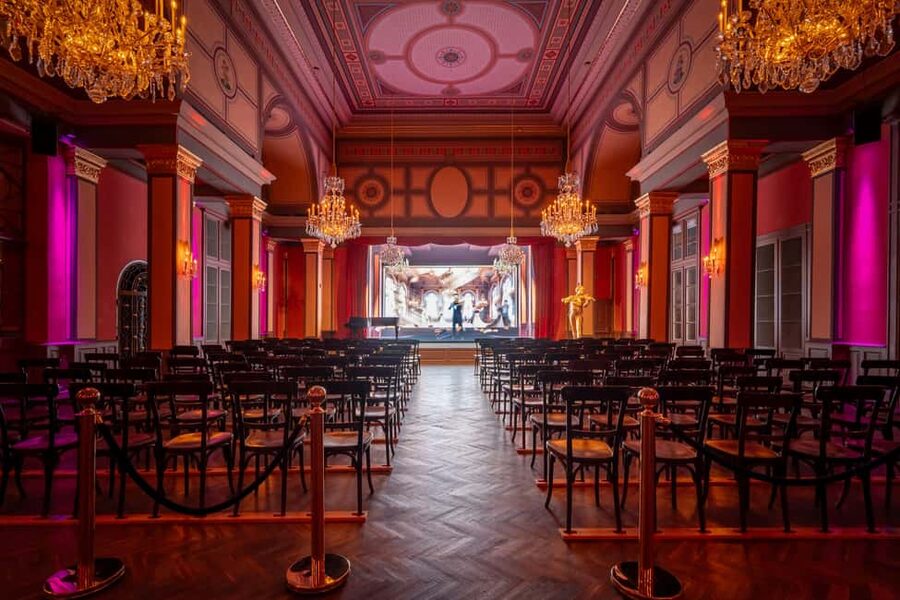
- Restored 1837 Strauss Concert Hall: a historic room where all four Strauss family members once performed
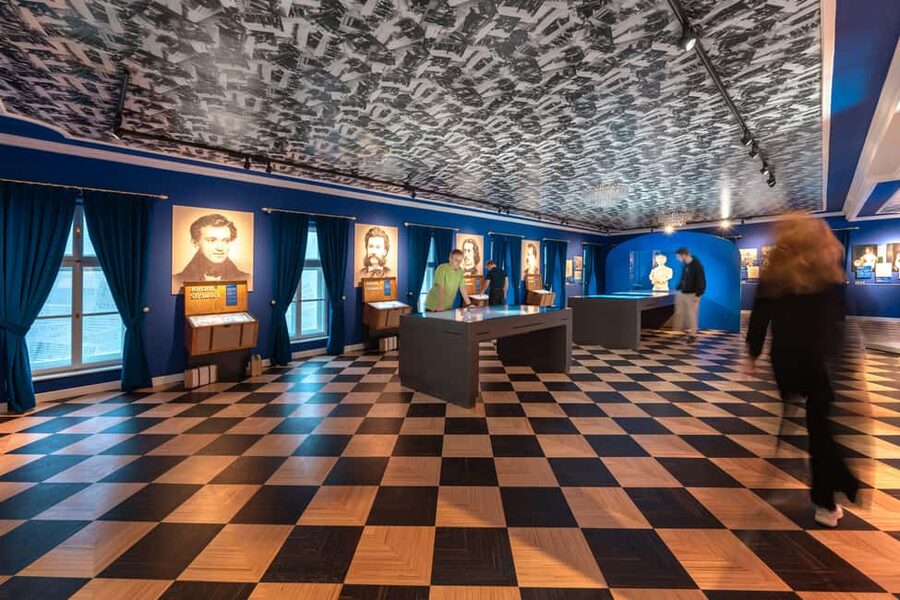
- 2000 m² of hands-on classical music history: preserved salons, interactive exhibits, and rare archival materials
- Audio guide app in English and German: designed for a personalized run-through
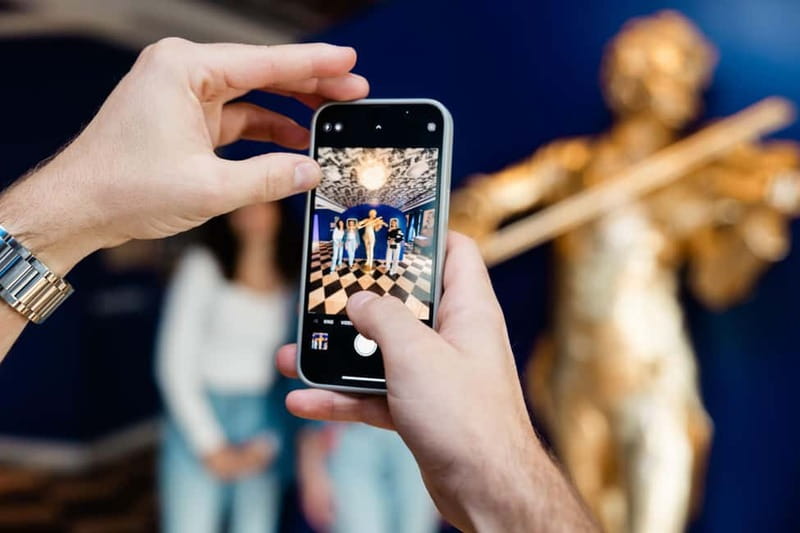
- Multimedia finale for Johann Strauss Jr.: music, light, and projection in the original concert hall
- Vienna’s only Strauss-dedicated museum: focused specifically on the dynasty and the Viennese waltz
Why this Strauss Museum setup feels special in Vienna
Most museum visits in Vienna are about artifacts and explanations. This one leans hard into sound and atmosphere, because it is built around a functioning concept of performance. You move through elegant rooms, then the day ends in a multimedia show inside the original concert hall space.
The other reason it works is focus. The House of Strauss is not trying to cover all of European music. It concentrates on the Strauss dynasty, Johann Strauss Jr in particular, and it does it in a way that connects people, place, and the Viennese waltz tradition.
Finally, the setting is part of the story. You are in the Gartenpalais Zögernitz, a magnificently restored building. That means the museum experience has a sense of ceremony, even when you are walking at your own pace.
More Classical Concerts in Vienna
- Vienna: Vivaldi’s Four Seasons Concert in Karlskirche
★ 4.7 · 14,951 reviews - Vienna: Classical Concert in the World-Famous Musikverein
★ 4.6 · 6,673 reviews - Vienna: Mozart Concert at the Musikverein – Golden Hall
★ 4.6 · 5,194 reviews
Gartenpalais Zögernitz: arriving in a restored home of music
You start in the House of Strauss at Gartenpalais Zögernitz, a restored historic residence in Vienna. That matters because the museum is not just placed in a random building. The architecture and restored rooms help you understand how these musical lives sat inside high society.
When you walk into the space, you quickly get oriented to the flow. There is an original concert hall at the center of the experience, and the rest of the museum supports that anchor. Plan to take a moment early to check the audio guide app and decide how you want to move.
If you are traveling with a group, the building also makes it easy to stay together for the big “set piece” moments while still letting different people go at different depths in the interactive exhibits.
The Strauss Concert Hall: where the family performed
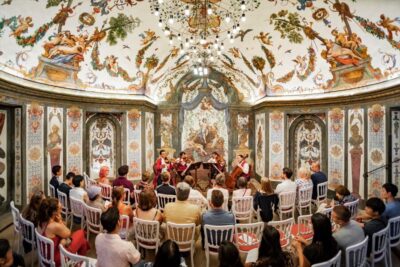
At the heart of the museum is the Strauss Concert Hall, described as a historic 1837 hall. This is the core reason the House of Strauss feels different. You are not only learning about performances, you are standing in the kind of room where those performances would have happened.
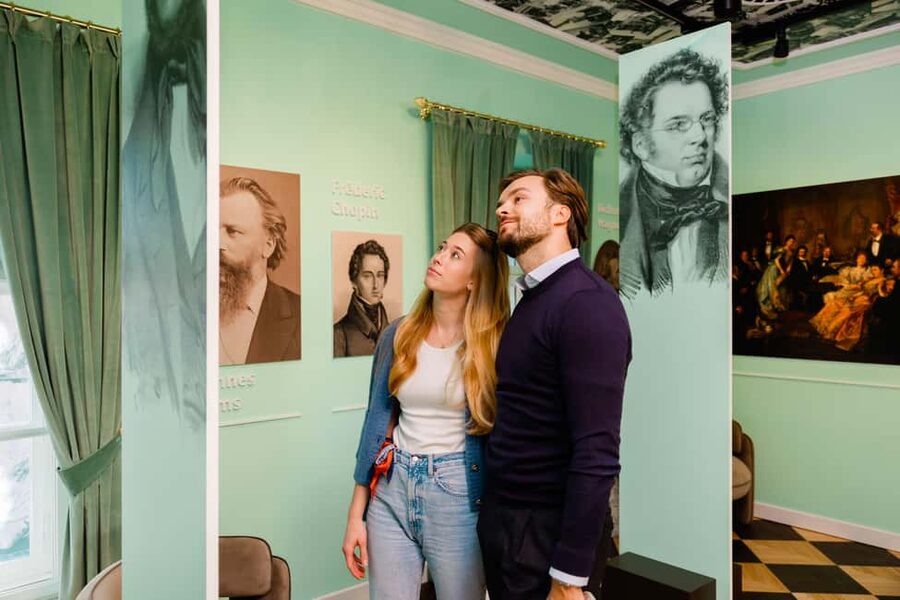
The museum connects you to all four Strauss composers: Johann I, Johann II, Josef, and Eduard Strauss. That sounds like a small detail, but it changes the whole story. Instead of treating Johann Strauss Jr as a lone star, the museum shows a family tradition tied to Viennese audiences.
You will also see how the museum uses period-appropriate presentation. The preserved salons and display style make the history feel arranged, not dumped in a warehouse-like layout.
2,000 m² of interactive music history that keeps moving
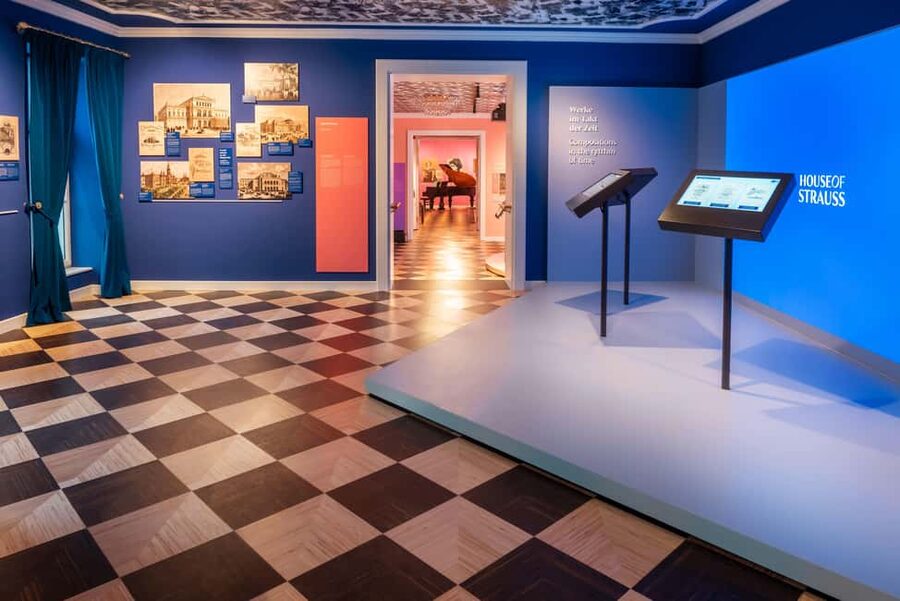
The museum experience spans 2,000 m², with beautifully preserved salons, interactive exhibits, and rare archival materials. In practice, that means you get variety without leaving the building. You are not forced into one kind of exhibit the whole time.
The “interactive classical music history” part is especially useful if you are not a trained music historian. You can still enjoy the atmosphere and learn the names and legacy. And if you are bringing family members, the hands-on elements are a good match for mixed ages.
Here is what you should do to make this part work well. Do not try to read everything in one pass. Use the audio guide to pick up the narrative thread, then return to the exhibits that catch your attention. That keeps you from feeling like you have to collect every fact in one sitting.
One more practical note: the museum is designed as self-guided. That is great for pacing, but it also means you decide when to slow down and when to skip ahead.
A different sort of Vienna day:
- Vienna: Spanish Riding School Training
★ 3.9 · 9,281 reviews - Vienna: Skip-the-cashier-desk-line Giant Ferris Wheel Ride
★ 4.5 · 7,859 reviews - Vienna: Schönbrunn Palace & Gardens Skip-the-Line Tour
★ 4.7 · 7,739 reviews - Vienna: Light of Creation Votive Church Immersive Light Show
★ 4.8 · 6,779 reviews
Using the audio guide app to shape your visit
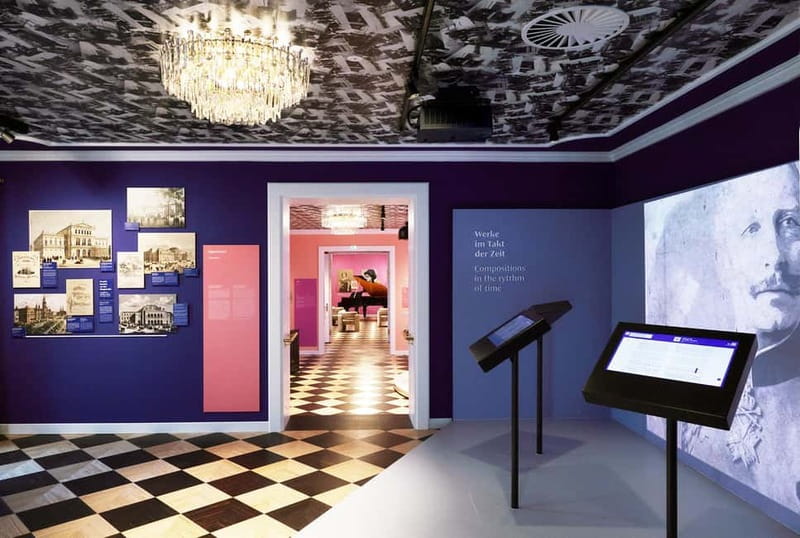
The House of Strauss includes an audio guide app, available in English and German. This is one of the strongest value points because it gives you a guided experience without requiring a set group schedule.
I like this setup because it helps you choose your depth. If you want context, you can follow the storyline through the rooms. If you want highlights, you can focus on key areas and spend your energy on the interactive moments.
What to watch for: the museum may not provide a full English recap style manual in addition to the audio. If you are relying on English and you prefer written summaries, you might find the experience harder to review afterward. The audio guide helps, but your comfort with the language of the labels still matters.
A simple strategy: use the app right at the entrance and again before the concert hall finale. That way, you connect the early history to the final multimedia tribute instead of treating each section like separate units.
The multimedia finale: Johann Strauss Jr in the original hall
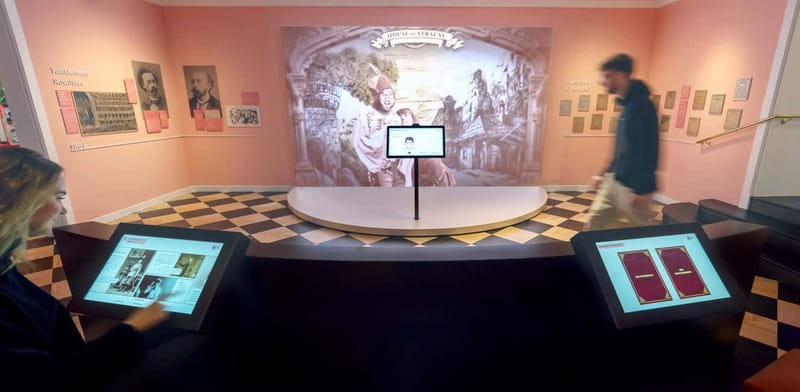
The visit culminates in a spectacular audiovisual show in the original concert hall. The finale is built as an emotional tribute to Johann Strauss Jr, described as the Waltz King, brought to life through music, light, and projection.
This is the moment that justifies going. It gives you a reason to stay until the end, even if you already know the Strauss name. You stop collecting information and start feeling how a performance might have shaped an evening in Vienna.
If you like film and stage effects, you will probably enjoy how the museum uses technology to create a concert-like ending. One of the most praised elements is how this last portion ties it all together, including for people who enjoyed the virtual-style concert presentation.
For timing, keep a little slack in your plan. Do not treat the finale like something you can squeeze in at the last minute. The show is part of the museum’s structure, and it lands best when you have already absorbed the family story.
House of Strauss Exhibition: the world’s largest private Strauss collection
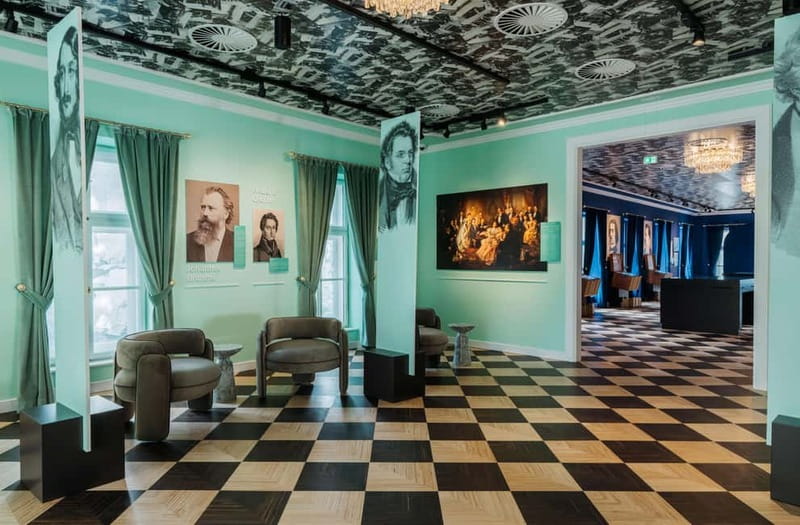
In addition to the concert hall experience, you also get complimentary entry to the House of Strauss Exhibition. This exhibition includes the world’s largest private Strauss collection, which is a clear reason to treat this stop as more than a quick audio-guided pass.
Even if you only give this exhibition a moderate amount of time, it helps you round out the “dynasty” angle. It shifts the focus from the performance setting to the broader cultural footprint of the Strauss name.
Because the exhibition is included, you should plan to spend time here rather than using it as a hallway bonus. Look for the items that connect to specific composers and the legacy of the Viennese waltz tradition. That is where the collection becomes most rewarding.
Price and value: what $22 gets you in Vienna
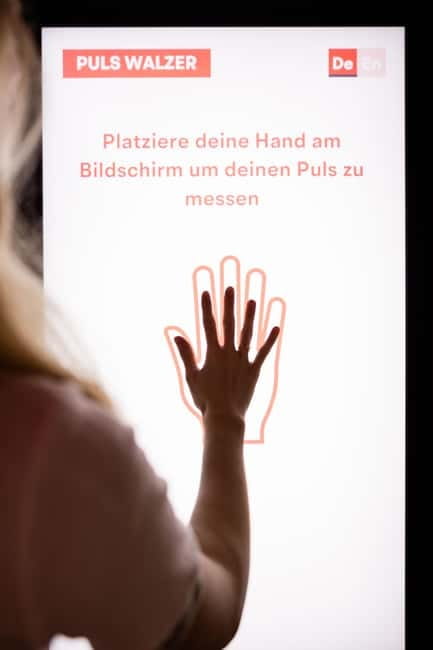
The price is listed at $22 per person, and it is not just admission to a room with a few panels. It includes admission to the Strauss Concert Hall with the engaging multimedia concert show, complimentary entry to the exhibition, and the audio guide app.
That bundle matters. In Vienna, you often end up paying for “one thing” and then spending extra elsewhere to get the full experience. Here, one ticket gives you multiple formats: preserved interiors, interactive history, and a production-style finale.
Think of it as a compact cultural evening. It is one day, and you can do it even if your schedule is tight. You are also set up with skip-the-ticket-line, which helps when you are trying to fit music experiences between other sights.
If you are a music fan, the value is strong because you are not only learning, you are getting a show at the end. If you are visiting casually, the hands-on exhibits make it easier to stay engaged without needing deep musical training.
Who should book this, and who might feel less satisfied
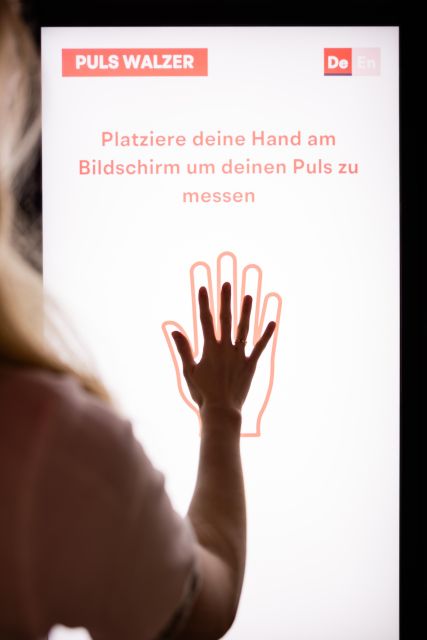
This is a great fit if you want a Vienna experience centered on one theme, done in a real historic setting. It is especially good if you like interactive museums, self-guided pacing, and a multimedia finale.
You will probably love it if:
- You are drawn to the Viennese waltz and want a focused story about the Strauss dynasty
- You prefer self-paced sightseeing with an audio guide app
- You want a strong, emotional “ending moment” in a historic concert hall
You might be less satisfied if:
- You expect a full live guide to lecture the whole time
- You want extensive English written summary materials, not just audio support
The museum is wheelchair accessible, so it is also a solid option for mobility needs.
Practical tips for making the most of your visit
First, treat this as a one-theme day. If you stack three other big museums right before or after, you will feel information overload. If you combine it with a walk through nearby central Vienna, the calm pace of the museum works well.
Second, use the audio guide app actively. When you reach a new room, take the audio guide as your cue, not just as background. That keeps the visit from turning into random stop-and-start reading.
Third, save energy for the finale. The final show is the payoff. If you rush the earlier exhibits, you might not feel the emotional connection the museum intends.
Finally, keep an eye on language comfort. The audio guide is available in English and German, but signs and interpretive materials are part of the overall experience. If your German is limited, you can still enjoy it, just plan to rely more on the audio and less on reading everything.
Should you book the House of Strauss?
If you want a Vienna museum visit that is focused, interactive, and ends with a real production in a historic concert hall, book it. The combination of the restored 1837 Strauss Concert Hall, the hands-on 2,000 m² experience, and the multimedia tribute to Johann Strauss Jr gives you more than a typical “look around and leave” museum stop.
If you prefer a strictly guided tour with a live lecturer, or if you need a lot of English recap written material beyond the audio, consider your expectations carefully. In most cases, if you are comfortable with self-guided museum pacing and you will use the audio guide, this is a strong use of your time in Vienna.
FAQ
How much does the Vienna House of Strauss ticket cost?
The price is listed as $22 per person.
How long should I plan for this experience?
It is scheduled as a 1 day activity, with starting times based on availability.
What is included with admission?
Admission includes the Strauss Concert Hall experience with a multimedia concert show, complimentary entry to the House of Strauss Exhibition, and an audio guide.
Is an audio guide included, and what languages are available?
Yes, an audio guide app is included, and it is available in English and German.
Do I need to buy tickets on-site or wait in line?
The experience includes skip the ticket line.
Is the venue wheelchair accessible?
Yes, it is wheelchair accessible.
Is pickup or drop-off included?
No, pickup or drop-off is not included.
More Historical Tours in Vienna
- Vienna: Time Travel and Magic Vienna History Tour
★ 4.6 · 3,879 reviews - Vienna: World War II Historical Walking Tour
★ 4.8 · 1,772 reviews - Vienna Historic Center Small Group Walking Tour
★ 5.0 · 1,746 reviews - Time Travel-Magic Vienna History Tour Ticket
★ 4.5 · 1,099 reviews
More Museums in Vienna
- Vienna: Skip-the-Line Sisi Museum, Hofburg and Gardens Tour
★ 4.8 · 5,918 reviews - Vienna Kunsthistorisches Museum Day Admission Ticket
★ 4.6 · 3,690 reviews - Tickets for the Albertina Exhibitions
★ 4.7 · 2,126 reviews - Vienna: Chocolate Workshop in Chocolate Museum w/ Tasting
★ 4.5 · 1,802 reviews
Latest Vienna reviews
- Vienna Food Tour: Dishes, Wine, Street Food & Culture★ 4.7 · 12 reviews
- Vienna: mumok Museum of Modern Art Entry Ticket★ 3.8 · 13 reviews
- eBike Vienna 90min guided tour – use ebike for the whole day★ 4.0 · 13 reviews
- A box for a romantic walk in the city center of Vienna★ 5.0 · 13 reviews
- Vienna: Austrian Wine Tasting★ 4.8 · 13 reviews
- Bratislava Private Tour from Vienna★ 4.5 · 13 reviews
- Small Group Half Day Tour from Vienna to Bratislava★ 4.0 · 14 reviews
- Private One Day Trip to Bratislava from Vienna★ 4.5 · 13 reviews
Classical Concerts, compared.
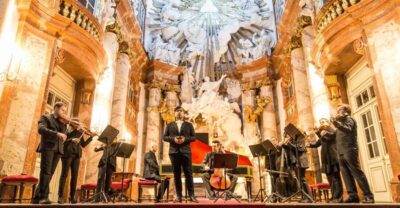
Vivaldi’s Four Seasons Concert in Karlskirche
Read our review →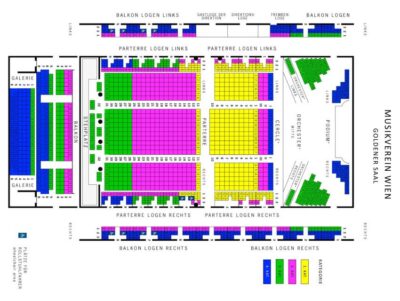
Classical Concert in the World-Famous Musikverein
Read our review →
Mozart Concert at the Musikverein – Golden Hall
Read our review →
Classical Concert in St. Anne’s Church (Annakirche)
Read our review →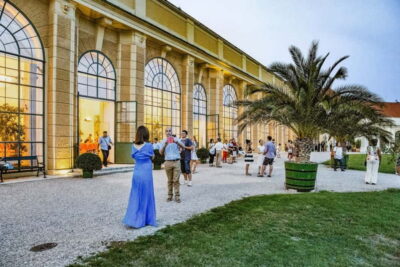
Browse the lists this tour appears in