
Reviewed · HISTORICAL TOURS
Wilhering Abbey: Discover 875 years of history!
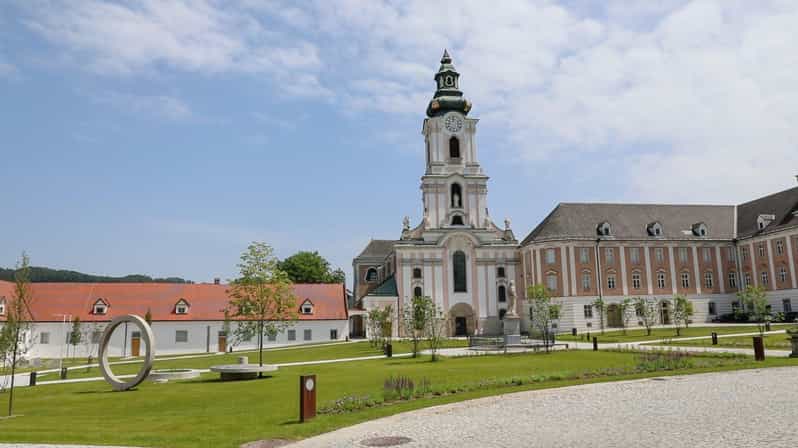
Wilhering Abbey is interesting because it compresses 875 years into seven exhibition rooms you can tackle in about 30 minutes. I like how the exhibition is built for different reading speeds, with room-by-room overview info for quick context, plus extra material if you want to spend more time on specific personalities and topics.
I also love how the rest of the site is open for lingering after the museum, especially the rococo church interior and the cloister areas. Then you can refuel at the Abbey Café in the Stiftshof courtyard. The main catch is timing, because the museum itself can only be visited during opening hours, so you will want to plan around that.
Key things to notice before you go
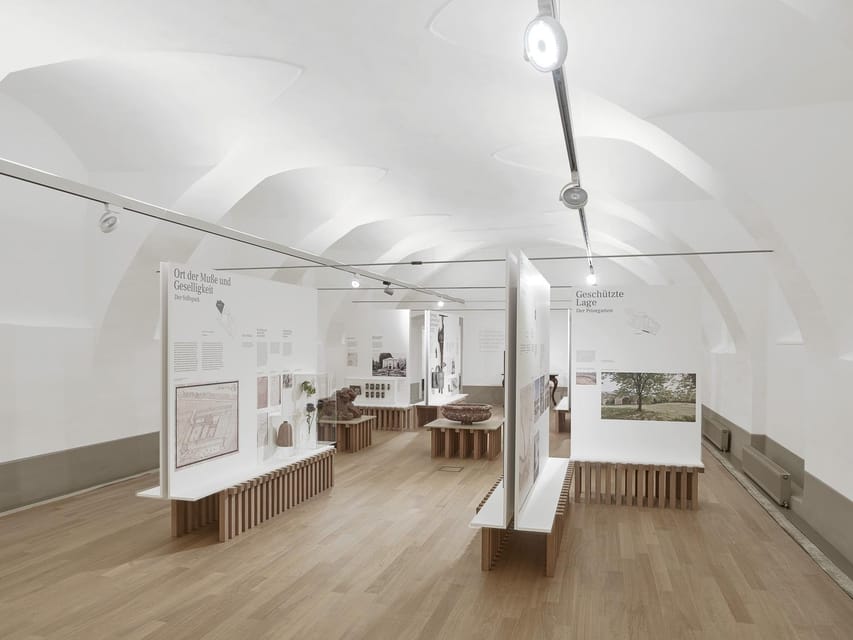
- Seven exhibition rooms with seven themes that flow into each other instead of feeling like separate exhibits
- Two levels of information (overview first, then deeper topics when you want them)
- Cistercian spirituality made concrete, with the motto ora et labora as a recurring thread
- Freely accessible church, cloister, courtyard, and park, so you can extend the experience beyond the museum
- Abbey Café in the Stiftshof courtyard, with self-service cakes, coffee, and abbey snacks using regional suppliers
- A practical arrival setup where staff help you at the monastery gate or the monastery café
Wilhering Abbey in 30 minutes, without feeling rushed
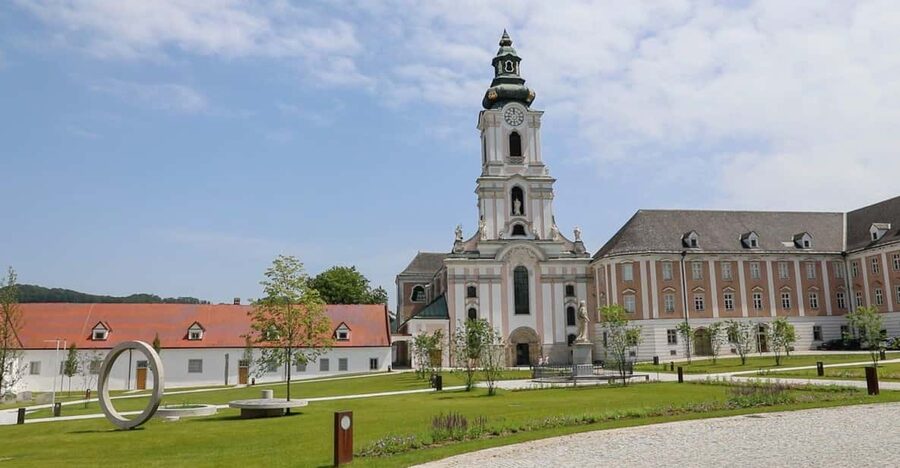
If you only have a short window in Upper Austria, Wilhering Abbey is the kind of stop that still feels worth your time. The ticket covers the museum, and the best part is you are not stuck inside a single room. Once you enter, you can move on to the collegiate church, cloister, courtyard, and park freely, which turns your 30-minute museum visit into something longer in practice.
For value, I think the math is simple. At about $7 per person for museum admission, you are paying for an organized learning experience plus access to major parts of the abbey complex. If you are the type who enjoys short cultural stops, this fits nicely. If you expect a full hour-plus guided tour with lots of spoken narration, you might feel like you are moving at your own pace, not being led step by step.
Arriving at the monastery gate, and how to navigate fast
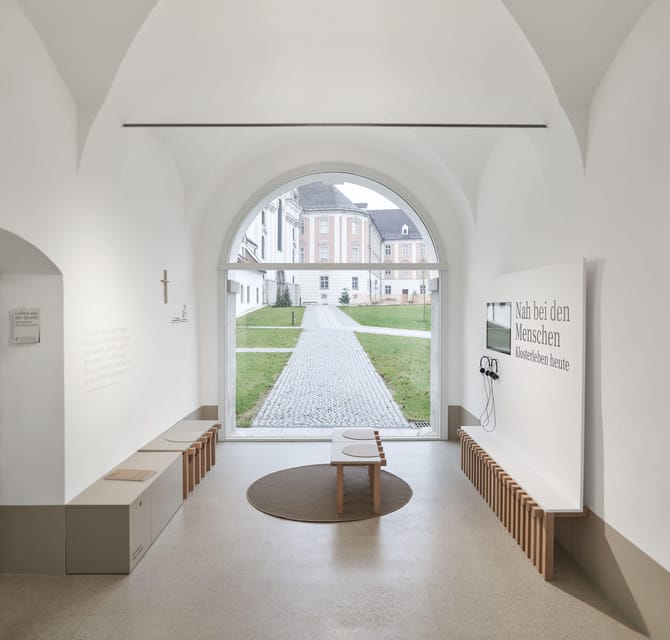
Your easiest starting point is the monastery gate area. The museum entrance is located there, or you can start at the monastery café side, where staff can guide you. I like this setup because it reduces friction. You are not wandering around trying to figure out where the museum begins, especially if you arrive slightly early or a bit hungry.
Here is the practical reality of how it works once you are in. The gate area is described as a place of arrival, hospitality, and encounter. That matters because it sets the tone: you are not just buying a ticket and disappearing. You enter into a working abbey environment, with the café, shop, and the abbey spaces close by.
Also note where things are located. The abbey café, shop, and the Benedict Hall are in the former farm of the abbey, and the museum is there too. That means your first impression, even before you step into the exhibition rooms, is shaped by the courtyard-adjacent atmosphere and the abbey storefront feel.
The museum of Wilhering Abbey: seven rooms, one connected story
The museum is organized into seven exhibition rooms, and each room has a clear theme. What I appreciate is that the themes do not feel like isolated mini-lessons. They flow into each other, so after you have finished room one, you are building understanding for room two, and so on.
The exhibition has a thoughtful design choice: two levels of information. I like that you get an overview layer for each theme, which helps you quickly understand what you are looking at and why it matters. If you want more, you can go deeper into individual topics based on interest. That approach is especially useful in a short visit, because you are not trapped either in superficial scanning or in a heavy, time-consuming reading marathon.
If you care about how the abbey sees itself, you will notice the museum focus stays anchored to Wilhering Abbey, Cistercian spirituality, and major personalities connected with the abbey. The Cistercian motto ora et labora, which translates as pray and work, is not just mentioned once. It functions like a framework, linking daily life, spiritual practice, and the abbey’s long-term rhythm.
One detail I found reassuring is that the exhibition includes interactive elements aimed at younger visitors. The idea is that kids get an entertaining route through the themes without you needing to manage a complicated activity. Even if you are traveling solo or as a couple, those interactions often make the museum feel less like a strict archive and more like a living teaching space.
A name to keep in mind here is Lydia Altmann, the curator of the exhibition. When a museum curator designs the information flow and two-level structure, it usually shows in how easy it is to follow the narrative even at a brisk pace.
Understanding Cistercian spirituality through daily rhythm
Most church museums give you art and dates. Wilhering Abbey gives you a working philosophy. The Cistercians emphasized disciplined spiritual life rooted in ordinary labor, and the motto ora et labora is basically the backbone for how the exhibition explains that mindset.
I like this approach because it helps you interpret what you see outside in the abbey spaces. When you look at cloisters and courtyard areas, you can connect them to how religious communities historically organized their day, movement, and work. Even if you do not go into every detail, having this mental frame makes the architecture feel purposeful instead of just pretty.
A practical tip for your visit: when you are in a room with deeper topics available, do not feel like you must read everything. I treat the deeper info like optional side streets. If one phrase, personality, or theme catches your attention, that is your cue to spend a little extra time. Otherwise, stay with the overview layer so you keep your 30-minute momentum.
Collegiate church and cloister, the spaces you can roam right away
After the museum, you can freely access the collegiate church and cloister. This is where the experience shifts from reading to looking. You will move from interpretation to atmosphere.
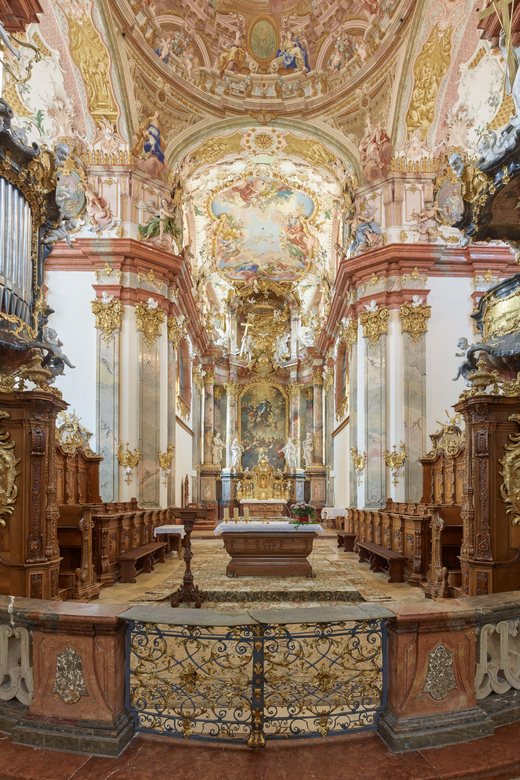
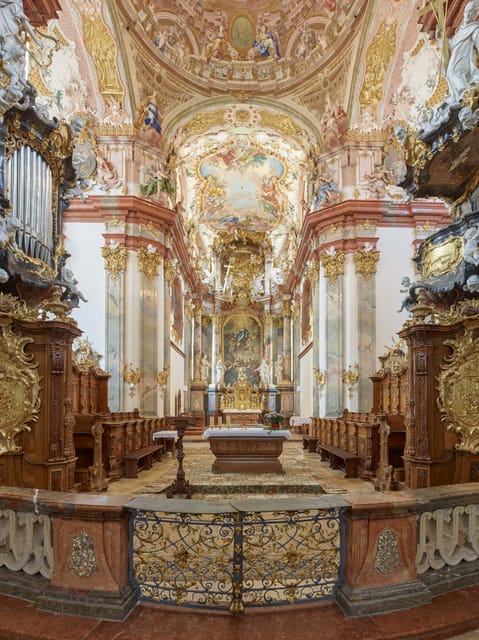
The interior of the church is highlighted as one of Europe’s fine rococo churches. That matters for your expectations. Rococo does not do quiet and plain. It is about light, ornament, and the sense that the building is designed to communicate something emotional and spiritual. If you have ever thought rococo is all decoration with no substance, this kind of interior can be a reality check. Even if you only spend a few minutes in the church, let your eyes take time to adjust. You will often notice more details on a second glance once you understand the overall style.
The cloister is your slow-down zone. I find cloisters are best when you do not rush them. Even with a short schedule, give yourself a few moments to look at how the spaces guide movement and views. It is the kind of place where your brain shifts gears from museum notes to calm observation.
Stiftshof courtyard, park, and the Abbey Café break
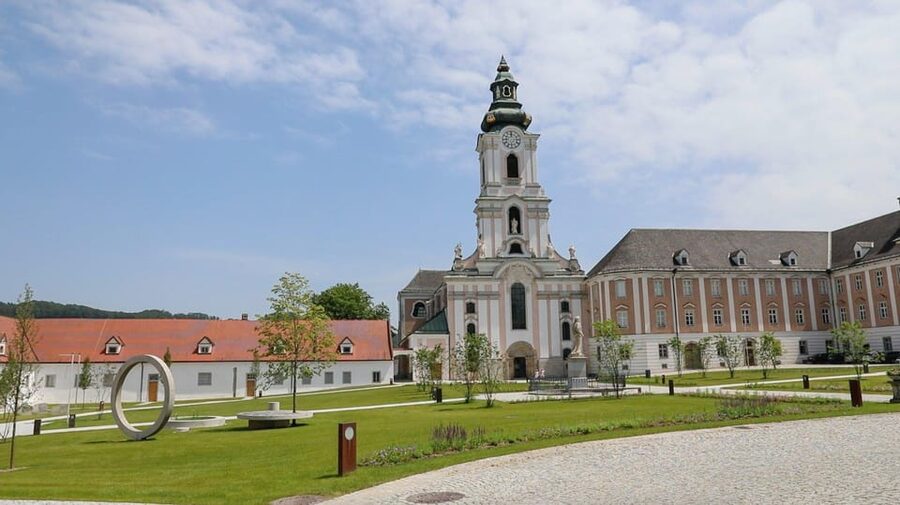
The abbey experience does not stop at sacred spaces. You also get outdoor access to the abbey courtyard and park, which you can enjoy freely. This is a big part of why Wilhering Abbey feels relaxing instead of purely educational. A short visit can still include a reset moment outside.
Then there is the Abbey Café in the Stiftshof courtyard, which is one of the best parts for practical travelers. You can grab coffee and cakes, plus abbey snacks. It is self-service, and the info specifically notes a preference for regional suppliers, which is what I aim for when I travel. I do not need a fancy menu. I need something simple that tastes local and does not feel like airport food dressed up.
If you are hungry, plan your café stop so it does not steal your whole museum time. In a 30-minute visit, I treat the café as the payoff, not the starting gun. You finish the museum, see the church and cloister, then sit down for something sweet or a small snack while you take in the courtyard mood.
Monastery Store and vineyard wine, if you want a souvenir with a story
Near the café and shop area, the monastery store sells products, including wine from leased vineyards near Krems. This is not a random tourist retail shelf. It is tied to the abbey’s own economic footprint, which connects back to that ora et labora idea of work as part of identity.
You do not need to buy anything to enjoy this. But if you do want a practical souvenir, wine is an easy choice because it carries a place name with it. Even if you only plan to take one bottle home, you can browse without pressure.
Price, timing, and real value for different travel styles
At $7 per person, this is a good deal for what you get: museum admission plus access to major abbey areas. The duration is about 30 minutes from first activation, so the value is strongest if you are comfortable moving at your own pace and choosing what to focus on.
Who this suits best:
- You want a compact cultural stop that still feels meaningful.
- You like structured museums but do not want to spend half a day reading.
- You travel with kids or family, since the exhibition includes interactions for younger visitors.
- You want a church interior moment and a calm break nearby, not just a quick photo.
Who might find it less ideal:
- You expect a long, guided, narrated experience with lots of spoken history.
- You arrive without checking opening hours, because the museum depends on them. You could still enjoy the freely accessible church and grounds, but your ticketed museum time might not be available when you want it.
Also keep in mind that the museum is wheelchair accessible, which is a meaningful practical plus if mobility is part of your planning.
Should you book Wilhering Abbey?
I would book it if you are looking for a short, high-value stop that mixes museum context with real architectural payoff. It is especially worth it if you enjoy learning in layers, because the seven-room structure plus two information levels lets you adapt your pace. The church interior and cloister access also make it feel like more than a checklist museum.
Skip booking or be cautious only if your schedule is too tight for opening hours, or if you need a long guided tour format. For everyone else, it is one of those places where you leave with a better understanding of what the abbey is, not just what it looks like.
FAQ
How long is the Wilhering Abbey experience valid?
It is valid for 30 minutes from first activation.
Where do I enter for the museum?
The museum entrance is in the monastery gate or in the monastery café. Staff in the monastery café can help you.
What parts of the abbey are included with admission?
Admission includes the Abbey Museum, and the church, cloister, courtyard, and abbey park are freely accessible.
Can I visit the museum any time?
No. The museum can only be visited during opening hours, so check the abbey’s homepage before you go.
Is this visit wheelchair accessible?
Yes, the activity is wheelchair accessible.
Is there free cancellation?
Yes. You can cancel up to 24 hours in advance for a full refund. You can also reserve now and pay later.
More Historical Tours in Wilhering Austria
- Vienna: Time Travel and Magic Vienna History Tour
★ 4.6 · 3,879 reviews - Vienna: World War II Historical Walking Tour
★ 4.8 · 1,772 reviews - Vienna Historic Center Small Group Walking Tour
★ 5.0 · 1,746 reviews - Time Travel-Magic Vienna History Tour Ticket
★ 4.5 · 1,099 reviews
Historical Tours, compared.
Vienna Historic Center Small Group Walking Tour
Read our review →
Skip-the-Line Schonbrunn Palace Guided Tour and Vienna Historical City Tour
Read our review →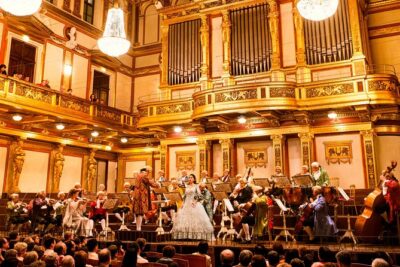
Vienna Mozart Concert in Historical Costumes at the Musikverein
Read our review →
Browse the lists this tour appears in